
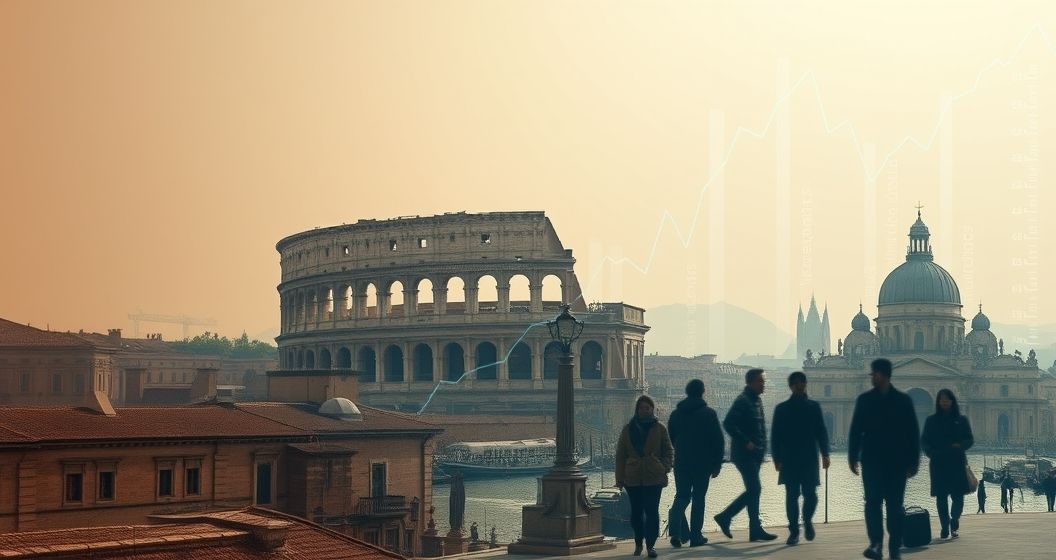
Italy is currently navigating a period of intense activity, marked by crucial decisions that reverberate across its economic, social, and environmental spheres. The nation finds itself at the forefront of European discussions, tackling everything from its national budget and persistent inflation to the complex challenges of migration and the preservation of its iconic heritage. Recent reports from Rome underscore a government actively engaging with both domestic pressures and international expectations, with the daily lives of Italian citizens hanging in the balance.
Italy’s Economic Tightrope: Budget, Inflation, and EU Watch
The Italian government is deep into formulating its next budget, a critical document charting the country’s fiscal course. This task is complicated by stubbornly high inflation, impacting households and businesses across the eurozone. Latest economic indicators suggest a cautious outlook, prompting policymakers to explore interventions designed to mitigate rising living costs and support economic stability.
Key Economic Challenges:
- Intense negotiations with the European Union continue regarding Italy’s national debt, with Brussels closely monitoring fiscal targets.
- Effective implementation of the National Recovery and Resilience Plan (PNRR), backed by EU funds, is paramount for modernizing infrastructure and fostering growth.
- Soaring energy costs remain a critical concern, influencing industrial production, consumer purchasing power, and the overall inflationary environment.
Financial analysts are assessing the government’s ability to strike a delicate balance between social spending and fiscal discipline. This challenge is amplified by geopolitical uncertainties and a fragile global economy. Budgetary choices made now will undeniably shape Italy’s economic trajectory for years to come, influencing investment, employment, and public welfare.
Mediterranean Migration: A Deepening Humanitarian and Political Divide
The central Mediterranean route remains a primary corridor for migrants and asylum seekers, placing Italy at the epicenter of a profound humanitarian and political crisis. Recent weeks have witnessed a significant surge in arrivals from North Africa, reigniting fervent debates within Italy and across the wider European Union concerning responsibility-sharing and effective solutions.
Italian authorities, supported by humanitarian organizations, are working tirelessly to manage the increasing influx, providing crucial aid and initial processing. However, the sheer volume continues to stretch resources, intensifying calls for greater European solidarity. The Italian government consistently advocates for a more equitable and unified EU approach, asserting that the immense burden of frontline reception cannot be sustained solely by Italy.
On-going Debates and Diplomatic Efforts:
- The urgent need for improved reception and housing facilities for vulnerable individuals.
- Persistent disagreements among EU member states over effective migrant redistribution mechanisms.
- Intensified diplomatic engagements with North African transit countries to combat human trafficking.
These developments underscore the complex interplay of human rights, national sovereignty, and international cooperation, highlighting the profound human stories beneath the headlines and the pressing need for comprehensive, humane solutions.
Venice’s Eternal Struggle: Climate, Tourism, and Preservation
Beyond national headlines, Italy’s iconic cities confront unique and enduring challenges. Venice, a UNESCO World Heritage site, continues its historic struggle against acqua alta (high water) and the overwhelming pressures of mass tourism. While the MOSE flood barrier system has offered some promise, its long-term operational costs and overall effectiveness remain subjects of ongoing local discussion.
Simultaneously, Venetian authorities are exploring innovative strategies to manage visitor flows. The goal is to cultivate a more sustainable tourism model that safeguards Venice’s delicate ecosystem, unique architectural heritage, and the quality of life for its dwindling resident population. Proposed measures include entry fees for day-trippers and stricter regulations for large cruise ships. These local efforts mirror a broader national commitment within Italy to balance economic benefits from tourism with environmental protection and cultural preservation for future generations.
Italy’s vibrant political discourse, coupled with its distinctive economic vulnerabilities and rich social fabric, ensures its continuous prominence on the global stage. The capacity of its leadership to skillfully navigate these multifaceted and often turbulent waters will be paramount in shaping the nation’s destiny and its role within the European and international community.


