
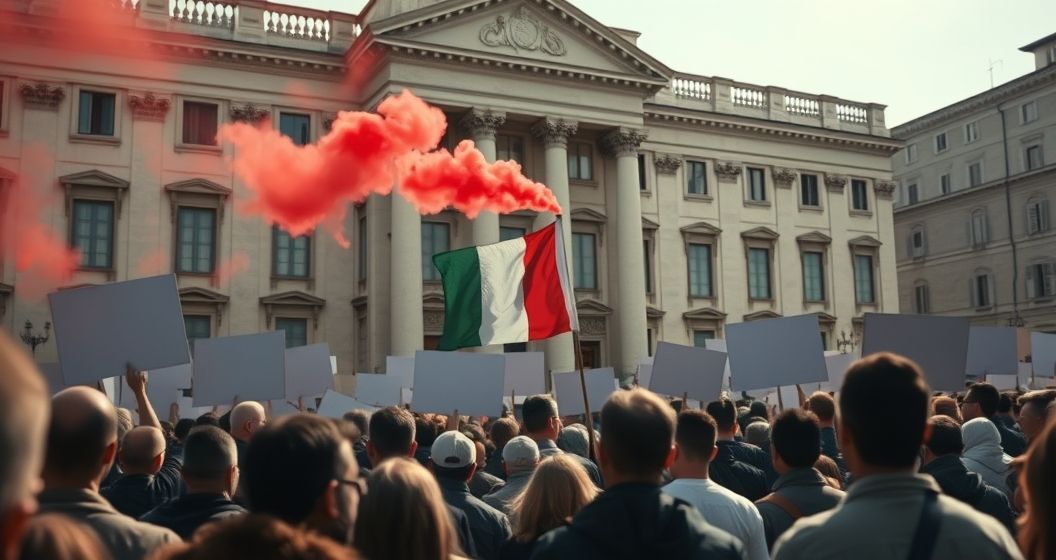
Italy is currently navigating a period of significant legislative activity and social unrest. The government is advancing a series of new decrees aimed at tackling security issues and providing economic relief to families. Simultaneously, the nation is grappling with widespread disruption caused by major transport strikes, highlighting the complex challenges facing the country’s leadership and its citizens.
New Security and Economic Measures
The Italian government has turned its focus toward strengthening public safety with a proposed security decree. This legislative package is primarily designed to address rising concerns over juvenile delinquency and urban crime. The proposals include stricter penalties for minors involved in serious offenses and increased powers for law enforcement to intervene in high-risk areas. The initiative aims to send a clear message of zero tolerance while also sparking debate about the balance between punitive measures and social rehabilitation programs for young offenders.
On the economic front, efforts are being made to alleviate the financial strain on households hit by the high cost of living. With inflation remaining a persistent issue, the government is finalizing measures to support families and low-income individuals. These plans reportedly include new bonuses and tax credits aimed at boosting purchasing power. The goal is to provide tangible relief and stimulate the economy, though critics are closely watching the potential impact on the national budget and public debt.
Widespread Disruption from Transport Strikes
While new policies are being debated in parliament, daily life for many Italians has been severely impacted by a series of nationwide transport strikes. Unions representing workers in the public transport sector, including rail and local transit, have called for industrial action to demand better pay and improved working conditions. The strikes have led to significant cancellations and delays, particularly affecting major cities like Rome and Milan, forcing commuters to seek alternative travel arrangements.
The widespread action has caused considerable frustration among the public, with crowded platforms and long waits becoming a common sight. The protests underscore the ongoing tensions between labor unions and public sector employers over contract renewals that have failed to keep pace with inflation. These strikes serve as a powerful reminder of the underlying economic pressures affecting a large portion of the workforce, creating a challenging environment for both the government and the public.
Navigating a Complex Landscape
The current situation in Italy presents a dual narrative. On one hand, the government is projecting an image of proactive governance through its security and economic reforms. On the other, the transport strikes reveal deep-seated social and economic discontent. Balancing these legislative ambitions with the immediate demands of the labor force is proving to be a critical test for the administration, which must navigate these challenges to maintain stability and public trust.


