
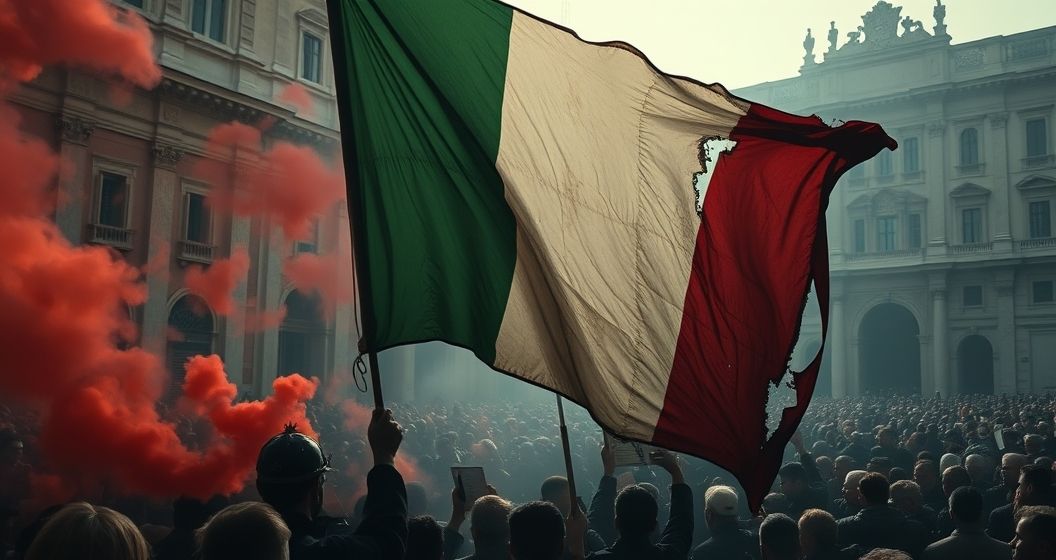
Italy is currently navigating a period of significant domestic challenges, marked by controversial economic reforms, widespread social protests, and high-stakes security operations. The government’s recent policy shifts have triggered intense debate across the political spectrum, while labour unions and citizens take to the streets to voice their concerns. These events paint a picture of a nation grappling with pressing financial and social issues that are shaping its immediate future.
Economic Shockwaves from ‘Superbonus’ Decree
A primary point of contention is the government’s sudden halt to the “Superbonus” and other building renovation tax incentives. This decree has sent shockwaves through the construction industry, with businesses and homeowners expressing alarm over the financial implications. The policy, originally designed to stimulate the economy and promote green building practices, has been criticized by the current administration for its spiraling costs, estimated to have a severe impact on public finances.
The opposition has strongly condemned the move, arguing it will lead to widespread job losses and leave thousands of construction projects in limbo. Trade associations are warning of a potential wave of bankruptcies for companies that relied on the tax credit system. The government defends its decision as a necessary step to ensure fiscal responsibility, but the debate highlights a deep divide on how to manage Italy’s economic recovery and public debt.
Nationwide Protests and Labour Strikes
In parallel with the economic debates, social tensions are rising. Various cities have witnessed large-scale demonstrations and strikes organized by major labour unions. Workers from different sectors, including transportation and public services, are protesting over issues ranging from workplace safety to calls for higher wages to combat inflation. The mobilization reflects growing discontent with current labour conditions and a demand for more robust government intervention to protect workers’ rights.
These protests are not just about economic grievances but also serve as a broader expression of public dissatisfaction. Organizers are calling for structural reforms to address precarious employment and ensure fair compensation. The government is now under increased pressure to engage in meaningful dialogue with union leaders to de-escalate the situation and find common ground on critical social policies that affect millions of citizens.
Security Focus on Crime and G7 Summit
On the security front, Italian authorities continue their relentless fight against organized crime. Recent high-profile operations have led to the arrest of several key figures linked to powerful mafia clans. These crackdowns underscore the state’s ongoing commitment to dismantling criminal networks that undermine the economy and public safety. The successful operations are a testament to the dedication of law enforcement agencies in a long and arduous battle.
Simultaneously, Italy is ramping up security preparations as it readies to host the upcoming G7 summit. The event places the country on the world stage, requiring an immense coordination of security forces to ensure the safety of world leaders. This dual focus on internal and external security demonstrates the complex challenges facing the nation as it asserts its role in international affairs while continuing to tackle deep-rooted domestic problems.


