
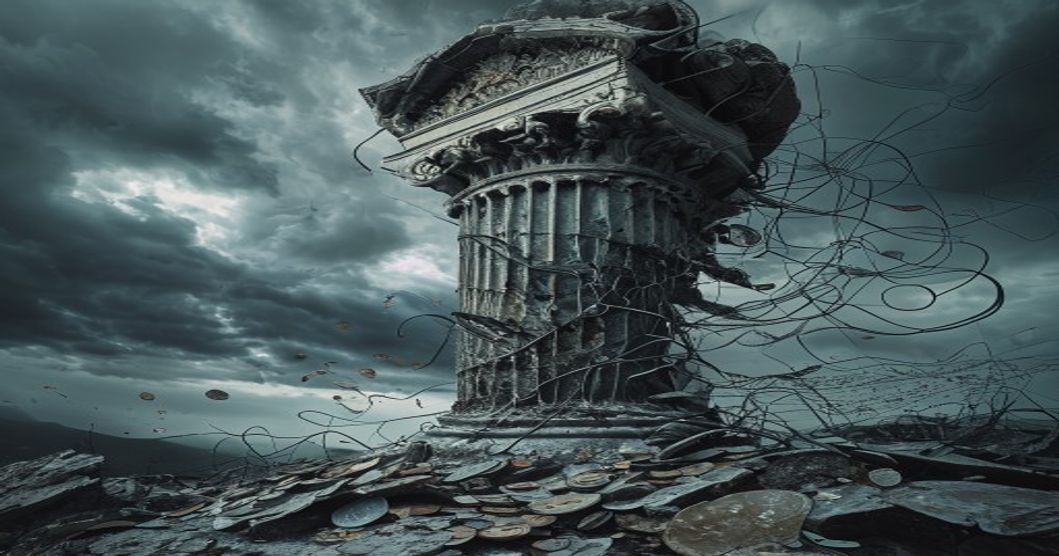
Italy finds itself at a pivotal juncture, navigating a complex web of political controversies, escalating economic burdens, and persistent social challenges. From heated debates over media freedom to the ballooning costs of ambitious building incentives and the ongoing humanitarian strain of migration, the nation is grappling with multiple fronts simultaneously.
Political Storms and Freedom of Speech Concerns
Recent headlines have been dominated by a significant controversy involving state broadcaster Rai and writer Antonio Scurati. Scurati’s monologue, critical of fascism and implicitly of the current government, was reportedly cancelled, sparking a widespread outcry. While Rai denies censorship, the incident has ignited a fierce debate across Italy regarding freedom of speech and the independence of public media under the current administration. Critics argue that such actions signal a tightening grip on cultural discourse, an accusation vehemently denied by government officials who maintain a commitment to pluralism.
Adding to the social challenges, Italy’s prison system is under intense scrutiny following alarming reports of a sharp increase in deaths. Statistics reveal a grim reality: a fatality occurring approximately every three days in 2024. This dire situation highlights systemic issues within the country’s penal institutions, including overcrowding, inadequate healthcare, and a lack of sufficient support for inmates. Human rights organizations and opposition parties are urgently calling for comprehensive reforms to address this escalating crisis and ensure humane conditions for all prisoners.
Economic Headwinds: The Superbonus Saga
Economically, Italy is grappling with the unforeseen consequences of its ambitious “Superbonus” scheme. Designed to revitalize the construction sector and improve energy efficiency, the program’s costs have spiraled dramatically, now estimated to exceed an astounding 219 billion euros. This substantial financial burden is raising serious concerns among economists and policymakers alike, prompting urgent discussions on how to manage the fiscal fallout. The government is exploring various measures to contain the costs and prevent further strain on public finances, but the long-term impact on Italy’s debt remains a significant point of contention.
Meanwhile, the broader economic landscape continues to be shaped by the implementation of the National Recovery and Resilience Plan (PNRR). This crucial initiative, funded by the EU, aims to modernize Italy’s infrastructure, foster digital transformation, and boost green energy. The Meloni government faces the formidable task of effectively deploying these funds to achieve the plan’s ambitious objectives while overcoming bureaucratic hurdles and ensuring transparent allocation.
Migration and Environmental Threats
The issue of migration remains a constant and pressing concern for Italy, particularly in its southern regions. The island of Lampedusa, a primary point of entry, continues to experience significant new arrivals, straining local resources and humanitarian efforts. The government’s policies on migration, including agreements with North African countries and stricter border controls, are constantly under review and subject to intense international debate. The ongoing flow of migrants underscores the need for a comprehensive European strategy to manage this complex humanitarian and logistical challenge.
Finally, Italy is also bracing for the impact of severe weather conditions. Recent reports indicate “orange alerts” for various regions, warning of heavy rainfall, strong winds, and potential flooding. Such weather events have become increasingly common, posing risks to infrastructure, agriculture, and public safety. Authorities are urging citizens to exercise caution and adhere to local advisories as the country prepares for potential disruptions.
In summary, Italy is navigating a period of intense activity and significant challenges. From internal political and social debates to substantial economic adjustments and external pressures, the nation is demonstrating its resilience while striving for stability and progress amidst a rapidly evolving domestic and international landscape.