
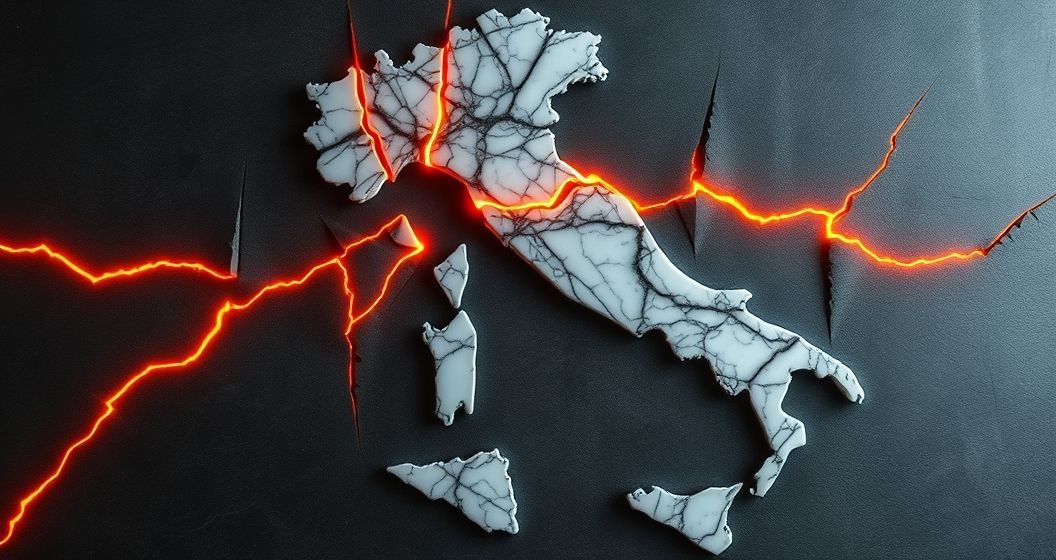
Italy’s parliament has given its final approval to a controversial bill on differentiated autonomy, a move that grants more power to its regions. The law, championed by Prime Minister Giorgia Meloni’s right-wing coalition, has ignited fierce political debate and raised concerns about the nation’s unity. Proponents argue it will lead to more efficient governance, while critics fear it will deepen the economic divide between the country’s wealthy north and the less prosperous south.
What the Differentiated Autonomy Law Entails
The new legislation allows Italy’s 20 regions to request greater control over 23 public policy areas, including crucial sectors like healthcare, education, and infrastructure. If a region can demonstrate its ability to manage these functions, it can negotiate to retain a larger portion of the tax revenue generated within its borders to fund them. The Northern League party, a key government ally, has long advocated for this reform, claiming it will allow well-managed regions to better serve their citizens without being held back by a centralized Roman bureaucracy.
Fears of a “Two-Speed” Italy
The primary objection from opposition parties and leaders in the south is that the law will create a “two-speed” nation. They argue that wealthier northern regions, such as Lombardy and Veneto, will be able to offer superior public services, leaving southern regions further behind. Critics express deep concern that essential services like public health and education could become vastly unequal across the country, effectively undermining the principle of national solidarity and equal rights for all citizens, regardless of where they live.
Parliamentary Tensions and Protests
The path to the bill’s approval was marked by extreme tension, culminating in a physical brawl within the Chamber of Deputies. The incident saw a deputy from the opposition Five Star Movement fall to the ground after being confronted by members of the majority coalition. This chaotic scene highlighted the deep divisions the reform has created. Opposition lawmakers have accused the government of “splitting Italy” and have pledged to continue their fight against the law, including calls for a national referendum to repeal it.
The Road Ahead for Italy
With the bill now passed into law, the focus shifts to its implementation. Each region must now negotiate its own specific terms with the central government, a process that is expected to be lengthy and complex. The long-term consequences of this significant constitutional shift remain to be seen, but the debate over Italy’s regional balance of power is far from over. The government maintains the reform will modernize the state, while the opposition prepares for a prolonged battle to protect national unity.


