
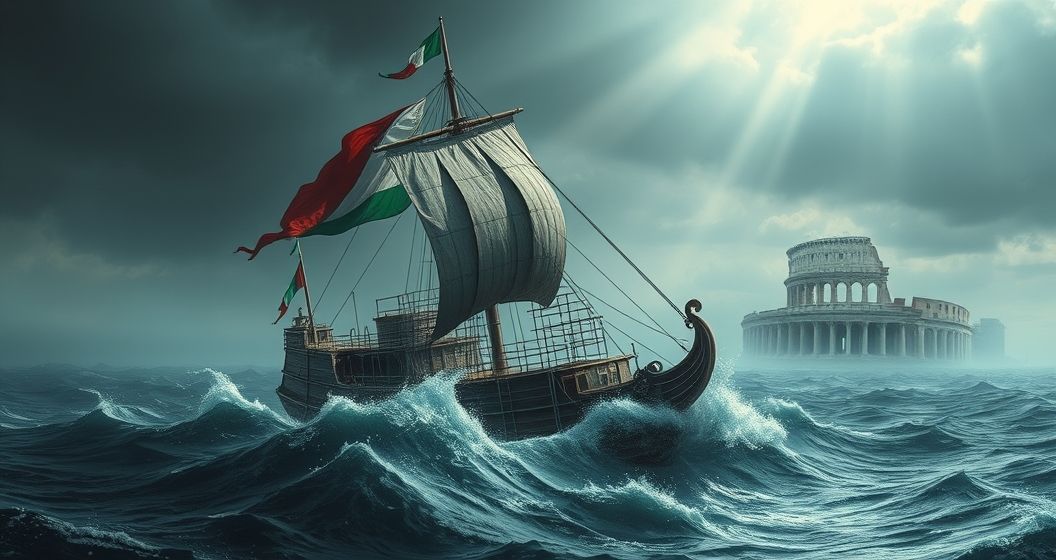
Italy is currently facing a period of significant domestic challenges as the government introduces a series of economic reforms aimed at fostering growth and managing public finances. These policies, however, have been met with widespread social unrest, including major strikes that have impacted key public services. This complex situation unfolds as the nation also contends with ongoing environmental pressures, creating a multifaceted test for the country’s leadership and its citizens.
Government Pushes Forward with Economic Agenda
The core of the current political debate revolves around the government’s new fiscal strategy. Policymakers have outlined a budget focused on targeted tax cuts for middle-income families and incentives for businesses to increase investment and hiring. The administration argues that these measures are essential to stimulate a sluggish economy and enhance Italy’s competitiveness within the European Union. Officials emphasize that the reforms are designed to provide long-term stability rather than short-term relief.
In addition to fiscal adjustments, the agenda includes plans to streamline bureaucracy and modernize public infrastructure. Proponents of the plan suggest that reducing red tape will attract foreign investment and empower local entrepreneurs. The government’s narrative is one of decisive action, positioning these reforms as a necessary step to address structural weaknesses that have long hindered the nation’s economic potential. The success of these policies is seen as critical to its political future.
Widespread Strikes and Public Opposition
The government’s economic plans have triggered a strong reaction from trade unions and opposition groups, who argue the reforms do not adequately protect workers or address the rising cost of living. This discontent has culminated in a series of coordinated national strikes, significantly disrupting public transportation, schools, and healthcare services. Union leaders claim the budget favors corporations over ordinary citizens and fails to allocate sufficient funding for essential public sectors.
Protesters have taken to the streets in major cities, demanding greater investment in social welfare programs and more robust protections for workers’ rights. The strikes serve as a powerful demonstration of public sentiment, placing considerable pressure on the government to reconsider certain aspects of its agenda. The ongoing negotiations between officials and union representatives are being closely watched, as their outcome will likely shape the country’s social and political climate in the near future.
Broader National Concerns
Beyond the economic and social friction, Italy continues to grapple with other pressing issues. Environmental concerns remain at the forefront, with different regions of the country experiencing extreme weather events. While some areas are contending with the long-term effects of severe drought on agriculture and water resources, others have recently faced intense rainfall and flooding, highlighting the nation’s vulnerability to climate change and the urgent need for updated infrastructure and mitigation strategies.
These intersecting crises create a complex environment for policymakers. The government must balance its economic objectives with the immediate needs of its population and the long-term imperative to build a more resilient nation. How Italy’s leadership navigates these simultaneous challenges—from fiscal policy and social welfare to environmental security—will be crucial in determining the country’s trajectory forward.


