
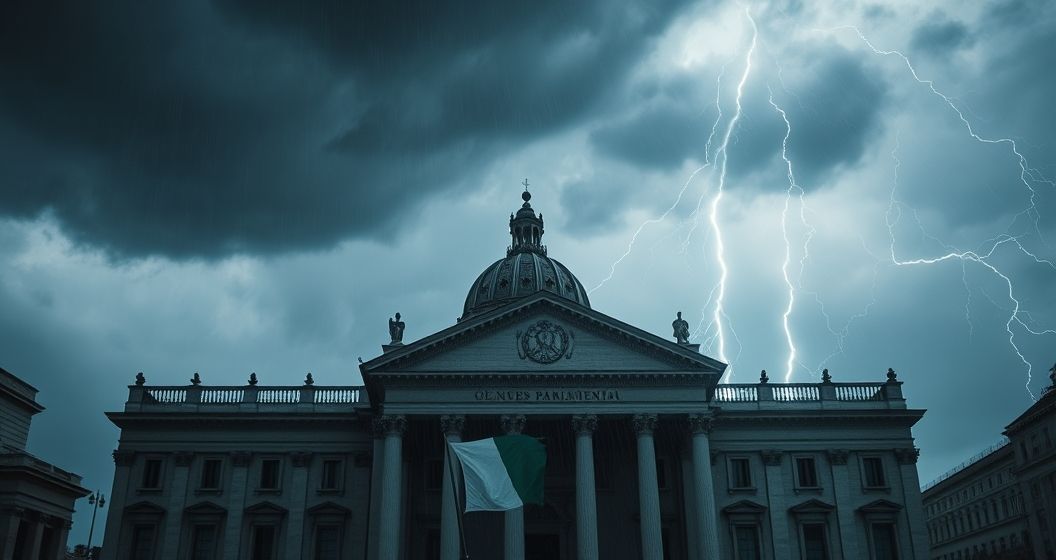
Italy is currently navigating a period of significant domestic focus, with the government finalising its economic budget law amid widespread severe weather warnings across several regions. The dual challenges highlight the nation’s efforts to secure its financial future while managing immediate environmental threats. These developments are drawing close attention from both the public and political observers, as decisions made now will have lasting impacts on citizens and infrastructure.
Government Outlines Key Economic Measures
The Meloni administration is in the final stages of defining the details of its budget law, a crucial piece of legislation that sets out the country’s economic priorities. A central theme of the proposal is providing financial relief to households and businesses. Key measures under discussion include extending tax cuts on labour to boost workers’ net income and allocating funds to support families with children. The government aims to balance these spending commitments with fiscal prudence.
Discussions are also centred on pension reforms and investments in strategic sectors to stimulate growth. However, the budget is being crafted against a backdrop of economic uncertainty and the need to adhere to European Union fiscal rules. Opposition parties and trade unions are closely scrutinising the proposals, raising concerns about the allocation of resources and the potential impact on public services. The final text is expected to be presented shortly, sparking intense parliamentary debate.
Civil Protection Issues Widespread Red Alerts
Simultaneously, Italy’s Civil Protection department has issued high-level weather alerts, including red alerts, for several northern and central regions due to forecasts of extreme rainfall and strong winds. Areas such as Liguria, Tuscany, and Veneto are on high alert for potential flooding and landslides. The warnings have prompted local authorities to take precautionary measures, including the closure of schools, parks, and public markets in the most at-risk municipalities to ensure public safety.
Citizens have been urged to exercise maximum caution, avoid unnecessary travel, and stay away from rivers and coastal areas. The severe weather system is a stark reminder of the country’s vulnerability to hydrogeological risks. Emergency services and volunteer organisations have been mobilised and are on standby to intervene where necessary. The situation is being monitored continuously, with updates provided by regional authorities as the weather front moves across the peninsula.
A Nation Responding on Two Fronts
The convergence of these two major events presents a significant test for national and local governance. While policymakers in Rome debate long-term fiscal strategies, regional administrators are focused on immediate crisis management. This dual focus underscores the complex challenges modern nations face, from economic planning to climate change adaptation. The effectiveness of the response, both in parliament and on the ground, will be critical in shaping public confidence and national resilience in the coming weeks.


