
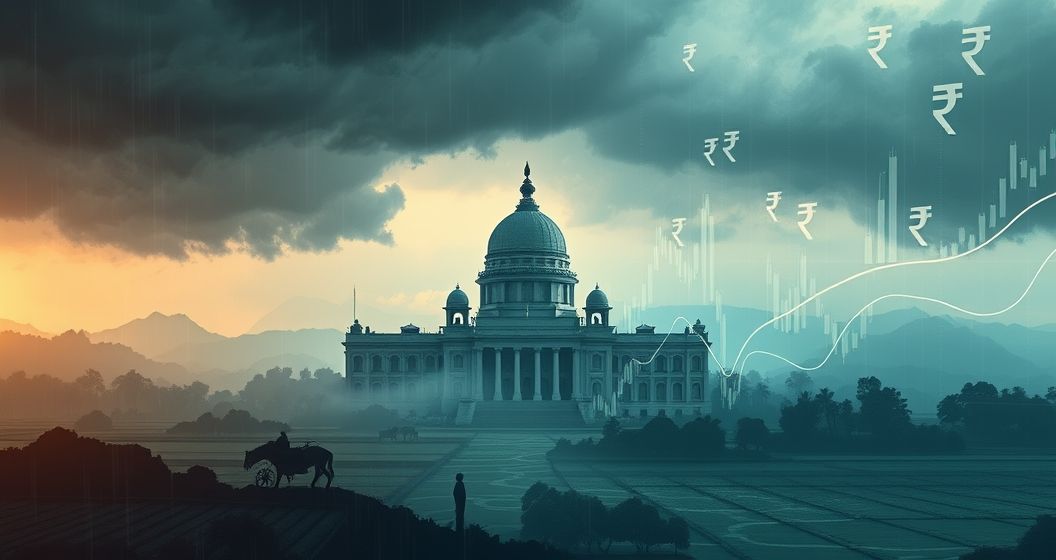
India is currently navigating a period of intense activity, marked by the powerful onset of the monsoon season, a highly anticipated new parliamentary session, and ongoing economic shifts. From the relentless downpours causing widespread disruptions to the heated political debates shaping the nation’s future, the subcontinent remains a focal point of dynamic developments. These concurrent events are not only dominating local headlines but are also drawing significant international attention, reflecting India’s complex and ever-evolving landscape.
Monsoon’s Fury: Red Alerts and Rising Waters Grip India
The Southwest Monsoon has made its vigorous presence felt across vast swathes of India, bringing both life-sustaining rains and significant challenges. The India Meteorological Department (IMD) has issued red and orange alerts for several states, including Maharashtra, Gujarat, Karnataka, and parts of the Northeast, anticipating extremely heavy rainfall. Cities like Mumbai have witnessed severe waterlogging, disrupting daily commutes and urban life. Reports indicate a concerning rise in river levels, prompting authorities to activate disaster response teams and issue advisories for residents in low-lying areas. The agricultural sector, heavily reliant on monsoon rains, is watching developments closely, as both insufficient and excessive downpours can severely impact crop yields. While the monsoon is crucial for India’s economy and water security, its intense phases often bring the unfortunate spectre of floods, landslides, and infrastructure damage, necessitating robust preparedness and swift relief efforts from state and central governments.
Parliamentary Pulse: New Session Kicks Off with Heated Debates
The 18th Lok Sabha’s inaugural session has commenced, bringing with it a fresh wave of political energy and anticipated legislative action. Following the recent general elections, the new government faces an invigorated opposition, promising a session filled with lively debates and crucial scrutiny. Top on the agenda are the election of the new Lok Sabha Speaker and the President’s address, which traditionally outlines the government’s policy roadmap. However, the session is already heating up with the opposition coalition, INDIA bloc, vowing to raise pressing national issues. The controversial NEET-UG examination row, concerning alleged paper leaks and irregularities, is expected to dominate early discussions, with demands for accountability and re-examination echoing across the political spectrum. This session will be pivotal in shaping the legislative landscape for the next five years, setting the tone for governance and inter-party dynamics in a more diverse Parliament.
Economic Currents: Navigating Inflation, Growth, and Market Sentiments
India’s economy continues its trajectory of growth, albeit with persistent challenges, particularly concerning inflation. The Reserve Bank of India (RBI) has maintained a cautious stance, closely monitoring price stability while supporting economic expansion. While the headline inflation rate has shown some signs of moderation, rising food prices, especially for essential commodities like vegetables and pulses, remain a key concern for policymakers and households alike. The Indian stock markets, including the Nifty and Sensex, have largely shown resilience, opening higher on global cues and robust domestic investment interest. Foreign Institutional Investors (FIIs) are carefully evaluating India’s growth prospects against global economic uncertainties. Experts anticipate that the government’s upcoming budget, expected later in the session, will provide further clarity on fiscal policies, infrastructure spending, and measures to boost manufacturing and employment. Navigating these economic currents requires a delicate balance of monetary and fiscal policies to ensure sustainable growth and shield the populace from inflationary pressures.
