
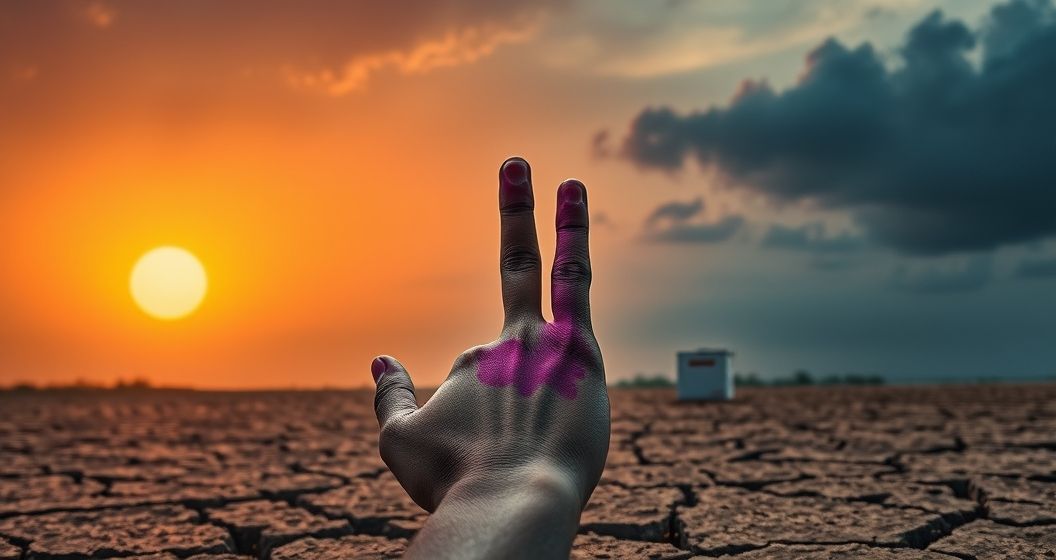
India is navigating a period of significant national events, with the final phase of the general election concluding amidst record-breaking temperatures. As the nation awaits the results, several regions are also grappling with the aftermath of Cyclone Remal and an unrelenting heatwave. These concurrent challenges are testing the country’s resilience and administrative response, drawing attention to both its democratic processes and climate vulnerabilities.
Final Phase of General Elections Concludes
The world’s largest democratic exercise has reached its conclusion as the final phase of the Lok Sabha elections wrapped up. Voting took place across numerous constituencies in several states, marking the end of a multi-stage polling process that spanned several weeks. The extensive schedule was designed to manage the immense logistical challenge of facilitating voting for nearly a billion eligible citizens, requiring massive deployment of security personnel and election officials across diverse geographical terrains.
Voter participation has been a key point of focus throughout the election, with turnout figures varying across different states and phases. Political leaders from all major parties, including the ruling Bharatiya Janata Party (BJP) and the opposition INDIA alliance, have concluded their intense campaigning. All eyes are now on the vote-counting day, with the nation eagerly awaiting the results that will determine the composition of the next government and shape the country’s political future for the next five years.
Severe Heatwave Sweeps Across Northern India
While the political temperature has been high, the actual temperature has soared to dangerous levels across northern and central India. A severe heatwave has gripped the region, with cities like Delhi experiencing record-breaking heat that has pushed temperatures close to 50 degrees Celsius. The India Meteorological Department (IMD) has issued red alerts for several states, advising citizens to take extreme precautions against the life-threatening heat and avoid outdoor activities during peak afternoon hours.
The extreme weather is placing immense strain on public infrastructure, leading to increased demand for electricity and reports of water shortages in many areas. Hospitals are on high alert to handle a surge in heat-related illnesses such as heatstroke and dehydration, particularly among the elderly, children, and outdoor labourers. The prolonged heatwave highlights the growing challenges posed by climate change, prompting discussions on long-term mitigation and adaptation strategies.
Coping with Cyclone Remal’s Aftermath
In the eastern part of the country, states like West Bengal and Odisha are dealing with the destructive aftermath of Cyclone Remal. The severe cyclonic storm made landfall, bringing with it torrential rains and high-speed winds that caused widespread damage. The storm uprooted trees, damaged homes, and disrupted power and communication lines, affecting millions of people. Rescue and relief operations are in full swing, with disaster response teams working to restore normalcy and provide aid to those affected by the natural disaster.
A Nation Facing Multiple Fronts
As India transitions from a monumental election cycle, it is simultaneously confronting pressing environmental crises. The government’s ability to manage the heatwave’s impact and lead recovery efforts post-cyclone will be as closely watched as the formation of the new parliament. These events underscore the complex and interconnected challenges ahead for the nation’s leadership, demanding both political stability and robust climate resilience.