
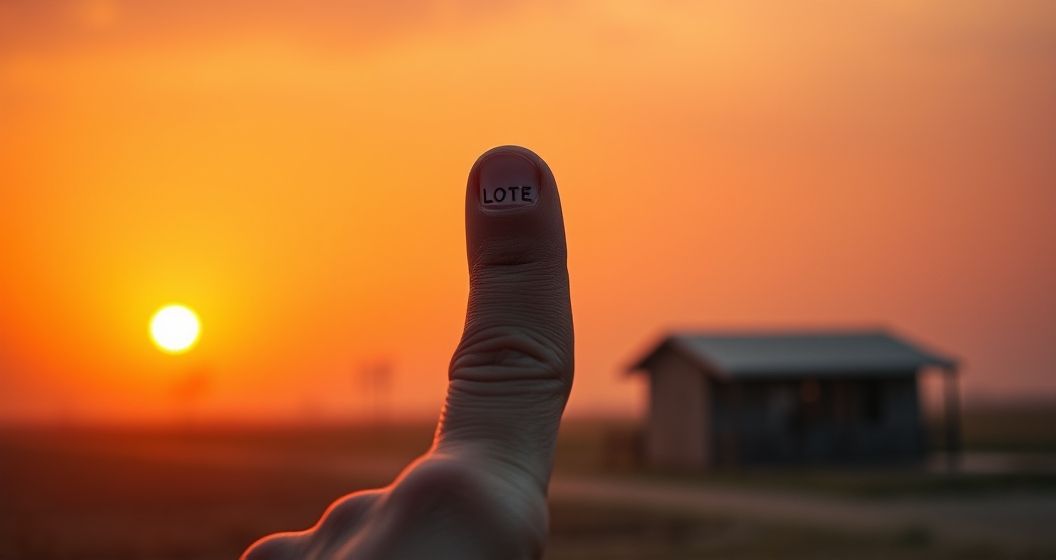
India’s extensive general election has moved into its next critical stage with the conclusion of Phase 5 of the Lok Sabha polls. This phase saw millions of voters across 49 constituencies in six states and two union territories cast their ballots. The voting process involved several high-profile seats, including those in major urban centres like Mumbai and politically significant regions like Uttar Pradesh, making it a closely watched event for political analysts and the public alike.
Key Battlegrounds and Voter Turnout
Phase 5 was particularly significant due to the constituencies involved. All six Lok Sabha seats in Mumbai went to the polls, alongside other crucial areas in Maharashtra, West Bengal, Bihar, and Jammu and Kashmir. The overall voter turnout was recorded at approximately 60%, with West Bengal reporting the highest participation. The figures are being carefully analysed as turnout can often indicate political shifts and voter sentiment, especially in closely contested seats.
Among the most prominent candidates in this phase were Congress leader Rahul Gandhi from Raebareli, Defence Minister Rajnath Singh from Lucknow, and Union Minister Smriti Irani from Amethi. The electoral fate of these key figures will have a substantial impact on the national political landscape. The focus now shifts to how the voting patterns in these areas will influence the final outcome when results are declared.
Challenges and Political Narratives
The voting process was conducted amid significant challenges, most notably a severe heatwave sweeping across northern and central India. The Election Commission of India had made special arrangements at polling stations, including providing water and shaded areas, to mitigate the effects of the extreme temperatures and encourage citizens to vote. Despite these efforts, the heat was cited as a potential factor influencing turnout in some urban areas.
As the election progresses, political rhetoric has continued to intensify. The ruling Bharatiya Janata Party (BJP)-led National Democratic Alliance (NDA) has focused its campaign on themes of economic development, national security, and welfare schemes. Meanwhile, the opposition INDIA bloc has concentrated on issues like unemployment, inflation, and the protection of constitutional values. Both sides have engaged in vigorous campaigning to sway undecided voters in the remaining phases.
Looking Ahead to the Final Stages
With Phase 5 now complete, only two more phases of voting remain before the counting of votes. The election, one of the largest democratic exercises in the world, has seen a dynamic and often contentious campaign trail. Political parties are now channelling their resources and efforts into the final constituencies that are yet to vote. The nation awaits the final verdict, which will shape the country’s governance and policy direction for the next five years.
