
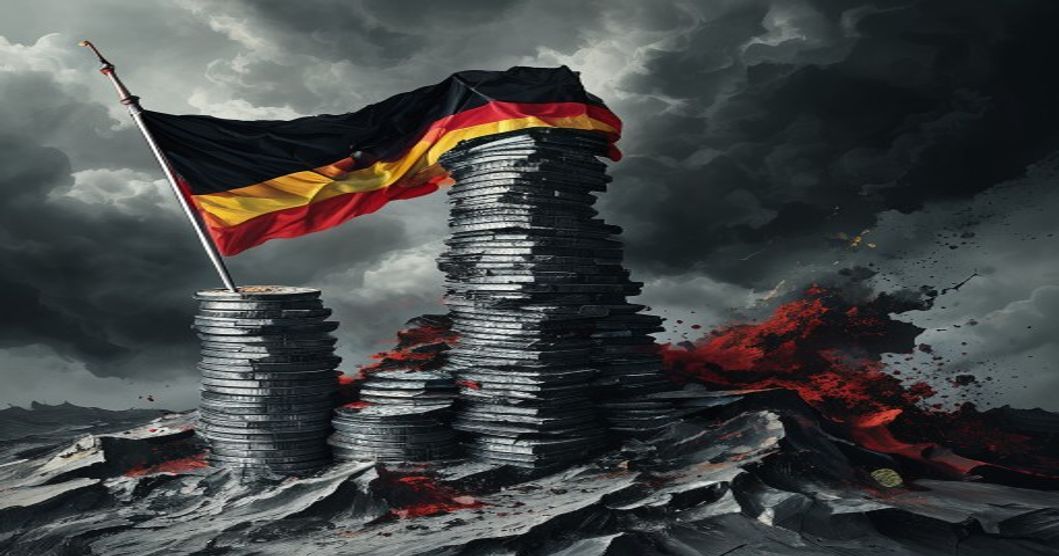
Germany, often seen as the economic powerhouse of Europe, is currently grappling with a confluence of pressing challenges that are reshaping its political landscape, economic outlook, and societal cohesion. From an unprecedented budget crisis straining the ruling coalition to persistent economic slowdown fears and widespread social movements, the nation is navigating turbulent waters. Understanding these multifaceted issues is crucial for anyone looking to comprehend the current state of European affairs.
Coalition on the Ropes: The Budgetary Tightrope Walk
The “Ampelkoalition,” Germany’s three-party governing coalition comprising the Social Democrats (SPD), the Greens, and the Free Democrats (FDP), finds itself in an increasingly precarious position. A landmark ruling by the German Constitutional Court in November declared a significant reallocation of funds from the COVID-19 pandemic to climate projects unconstitutional, blowing a massive hole in the federal budget. This decision has plunged the government into intense negotiations over spending cuts and alternative financing, particularly impacting the Climate and Transformation Fund.
The aftermath has highlighted deep ideological rifts within the coalition, particularly between the FDP’s insistence on fiscal discipline and the Greens’ commitment to ambitious climate investments. Key programs, from social welfare initiatives to industrial subsidies and defense spending, are now under scrutiny. Chancellor Olaf Scholz’s government faces the daunting task of balancing legal requirements, policy goals, and political survival, all while adhering to Germany’s strict “debt brake” (Schuldenbremse) constitutional rule. The outcome of these ongoing budget discussions will undoubtedly define the coalition’s stability and Germany’s policy direction for years to come.
Economic Headwinds: Navigating Stagnation and Global Shifts
Beyond the budget woes, Germany’s economy continues to face significant headwinds. After a period of robust growth, the nation is wrestling with a challenging mix of factors:
- High Energy Costs: While energy prices have somewhat stabilized from their peak, they remain a substantial burden for Germany’s energy-intensive industrial sector, impacting competitiveness.
- Global Demand Slowdown: As a major export nation, Germany is sensitive to global economic trends. Weakening demand from key markets, particularly China, is affecting export figures.
- Inflationary Pressures: Although inflation rates have shown signs of easing, the lingering effects on consumer purchasing power and business investment are still palpable.
- Bureaucracy and Investment: Critics often point to excessive bureaucracy and slow digital transformation as deterrents to domestic and foreign investment.
Many economists are forecasting a period of stagnation or very modest growth for Germany in the near term. Industries are particularly concerned about structural challenges and the need for massive investments in renewable energy and digitalization to remain competitive globally. The debate around Germany’s future as an industrial hub is intensifying, with calls for decisive government action to boost innovation and reduce red tape.
A Nation on the Streets: Protests and Societal Debates
The past months have also seen a surge in public demonstrations, reflecting deep-seated societal concerns:
- Protests Against Right-Wing Extremism: Triggered by revelations of a secret meeting involving members of the far-right Alternative for Germany (AfD) party discussing mass deportations, hundreds of thousands of Germans have taken to the streets across the country. These unprecedented demonstrations underscore a strong public rejection of extremism and a defense of democratic values.
- Farmers’ Protests: While less prominent than earlier in the year, the impact of farmers’ protests against cuts to agricultural subsidies continues to resonate. These actions highlighted the economic pressures faced by the agricultural sector and the disconnect between urban policy-making and rural realities.
These protests signal a politically charged atmosphere where citizens are actively engaging with critical national issues. The AfD, despite the backlash, continues to poll strongly in some regions, posing a significant challenge to mainstream parties ahead of upcoming regional and European elections.
Looking Ahead
Germany stands at a critical juncture. The ability of the “Ampelkoalition” to navigate the budget crisis, implement effective economic reforms, and address societal divisions will determine its trajectory. The coming months are expected to be pivotal, with policy decisions and public sentiment shaping Germany’s role within Europe and on the global stage.


