
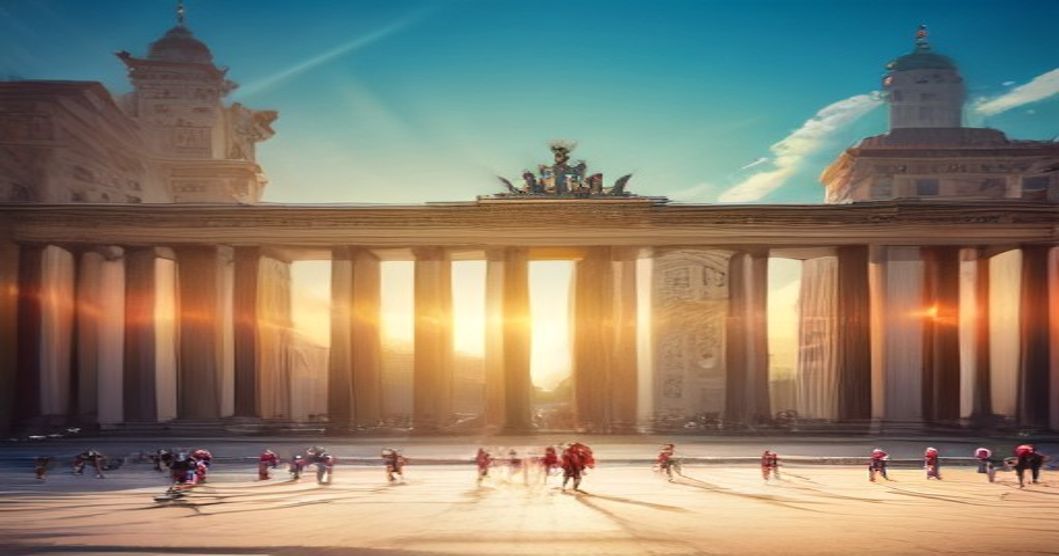
As the UEFA Euro 2024 tournament electrifies host nation Germany, a palpable wave of national pride and excitement sweeps across cities. However, beneath the jubilant fan zones and football chants, the German political landscape grapples with significant domestic challenges, primarily centered around a contentious 2025 budget dispute within the ruling ‘traffic light’ coalition. This duality defines Germany’s current state: a nation celebrating on the pitch while navigating complex economic and political headwinds.
Euro 2024: A Nation United in Sport
The **Euro 2024 tournament** has undoubtedly been the dominant narrative in Germany, captivating millions and transforming public spaces into vibrant celebrations. From Berlin’s iconic Brandenburg Gate to Munich’s bustling Marienplatz, fan zones are overflowing with supporters clad in black, red, and gold. The performance of the German national team, particularly their strong start, has ignited a long-absent optimism, providing a much-needed morale boost. This collective euphoria offers a temporary respite from everyday worries, highlighting the unifying power of major sporting events.
The tournament’s organization has drawn praise, showcasing Germany’s capability as a host. Beyond the matches, the influx of international visitors is providing a significant, albeit temporary, stimulus to the hospitality and tourism sectors. Local businesses are enjoying a boom, reflecting the broader economic benefits that such large-scale events can generate.
Budget Battle Rocks Berlin’s Coalition
Away from the football stadiums, Chancellor Olaf Scholz’s three-party coalition government is locked in an intense battle over the **federal budget for 2025**. The dispute primarily pits the Green Party and Social Democrats (SPD) against the liberal Free Democratic Party (FDP), led by Finance Minister Christian Lindner. The FDP insists on strict adherence to the constitutional “debt brake,” advocating for spending cuts and fiscal discipline. In contrast, coalition partners push for investments in climate protection, social programs, and infrastructure, arguing against severe austerity in critical areas.
This internal friction threatens to destabilize the government, with negotiations proving particularly tough. The outcome of these talks will not only shape Germany’s economic policy for the coming year but also test the cohesion and longevity of the ‘traffic light’ coalition. Analysts are closely watching for compromises that could either secure the government’s future or deepen existing rifts, potentially leading to a political crisis.
Economic Outlook & Post-EU Election Realities
Adding to the complexity, Germany’s broader **economic outlook** remains under scrutiny. While inflation has shown signs of moderating, concerns persist about industrial output and the country’s competitiveness. The energy crisis, stemming from the war in Ukraine, continues to impact businesses, particularly energy-intensive industries. The government’s ability to balance investment needs with fiscal prudence is crucial for long-term recovery and growth.
Furthermore, the recent **European Parliament elections** have left their mark on the German political landscape. The rise of right-wing populism, particularly the Alternative for Germany (AfD), has triggered debates about domestic policy directions and Germany’s role within the European Union. These electoral shifts underscore a growing discontent among some segments of the population, adding another layer of challenge for the current government. As Germany celebrates the beautiful game, its leaders face the demanding task of steering the nation through a period of both sporting triumph and significant political and economic uncertainty.


