
As the economic engine of Europe, Germany finds itself at a pivotal crossroads, navigating a complex web of inflation, industrial transformation, and geopolitical shifts. Recent data continues to paint a nuanced picture, prompting robust debates about the nation’s short-term challenges and long-term resilience. While some indicators suggest a cautious optimism, others highlight persistent headwinds that demand immediate attention from policymakers and businesses alike.
The German Economic Rollercoaster: Navigating Inflation and Growth
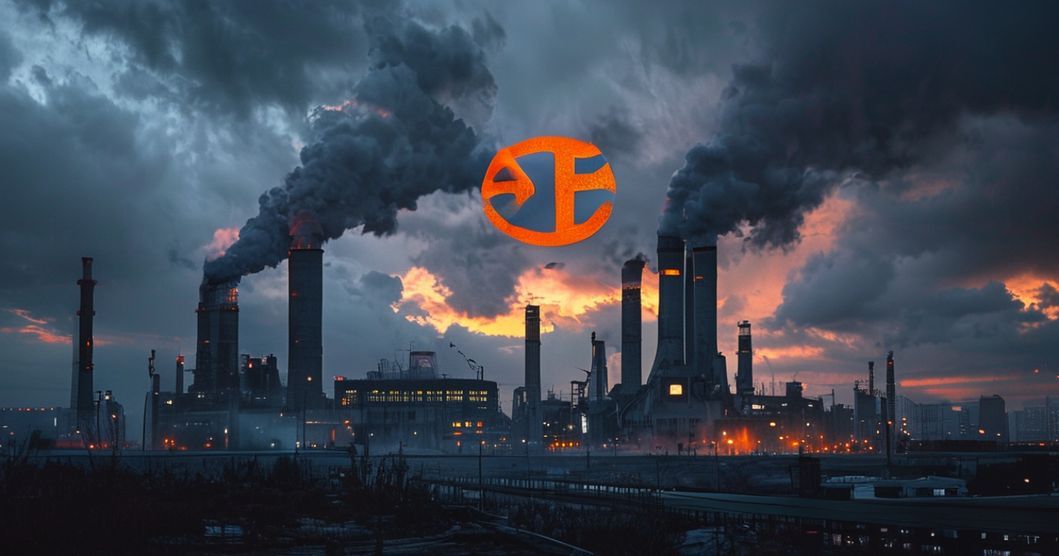
The latest economic reports from Germany offer a mixed bag. Consumer price inflation, while showing signs of a gradual slowdown from its peak, remains a significant burden for households. Food prices, in particular, continue to pinch budgets, leading to a noticeable shift in consumer spending habits. Industrial production, a traditional backbone of the German economy, is struggling under the weight of high energy costs and a cooling global demand, impacting key sectors like chemicals and heavy manufacturing.
Government initiatives aimed at stimulating growth and easing the inflationary pressure are under intense scrutiny. Economists are closely watching the impact of these measures, from energy price caps to corporate support programs. There’s a palpable tension between the need for fiscal discipline and the urgent demand for investment in future-proof technologies and infrastructure. The Bundesbank’s recent outlooks frequently emphasize the need for structural reforms to boost competitiveness.
Energy Transition: A Dual-Edged Sword for Industry
Germany’s ambitious “Energiewende” – the transition to renewable energy – is an undeniable priority, yet it presents both immense opportunities and significant challenges. The rapid expansion of wind and solar power continues, but the accompanying infrastructure development, particularly for grid stability and energy storage, struggles to keep pace. This creates volatility and uncertainty for energy-intensive industries, some of which are contemplating relocating production to regions with more stable and affordable energy supplies.
The highly debated “Heating Law” (Heizungsgesetz) stands as a prime example of the complexities involved. Designed to accelerate the shift away from fossil fuel heating systems, it sparked widespread public concern over costs and feasibility. Amendments have softened its immediate impact, yet the underlying goal of decarbonizing buildings remains firm. This balancing act between climate goals and social affordability is a constant tightrope walk for the ruling coalition.
Political Tensions and Future Directions
Internally, Germany’s “traffic light” coalition (SPD, Greens, FDP) faces ongoing challenges in forging a unified path forward. Disagreements over budget allocations, social policy, and the speed of environmental reforms are frequent. Public approval ratings often reflect these internal struggles, with citizens seeking clearer directions and more cohesive policy implementation.
Internationally, Germany’s role in supporting Ukraine, strengthening European defense, and recalibrating relations with key global partners continues to dominate foreign policy discussions. The nation’s commitment to increased defense spending and its evolving stance on energy security are indicative of a significant shift in its post-war foreign policy paradigm. As Germany navigates these turbulent waters, the focus remains on ensuring stability, fostering innovation, and maintaining its position as a leading global player.