
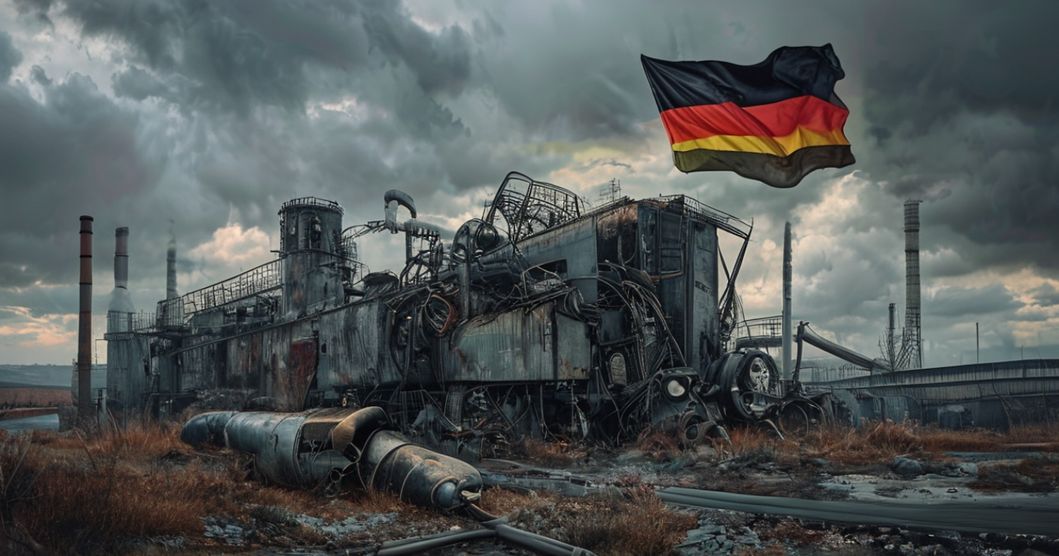
Germany, often seen as the economic powerhouse of Europe, is currently navigating a complex and challenging period. From persistent inflation to an unprecedented debate over its energy future and a struggling coalition government, the nation finds itself at a critical juncture. Staying abreast of these developments is crucial, as they have far-reaching implications not just for Germany but for the wider European and global economy.
Germany’s Economy Teeters on the Brink: Inflation’s Stubborn Grip and Recession Fears
Recent data paints a concerning picture for the German economy. Inflation, while showing some signs of moderation, remains stubbornly high, eroding purchasing power and weighing heavily on consumer sentiment. The latest figures from the Federal Statistical Office show consumer prices continuing to rise, particularly impacting energy and food sectors. This sustained inflationary pressure has prompted the European Central Bank (ECB) to maintain its hawkish stance, with further interest rate hikes likely on the horizon.
Economists are increasingly vocal about the risk of a technical recession, with Germany’s industrial output struggling and export figures facing headwinds from a slowing global economy. Supply chain disruptions, exacerbated by geopolitical tensions, continue to impact key manufacturing sectors, while high energy costs remain a significant burden for businesses. The government’s various relief packages aim to cushion the blow, but the long-term outlook remains uncertain, demanding agile policy responses to avoid a prolonged downturn.
The Heating Law Fiasco: Germany’s Green Transition Hits a Major Snag
One of the most contentious political debates currently gripping Germany revolves around the proposed Building Energy Act, colloquially known as the “heating law” (Heizungsgesetz). Spearheaded by the Green Party’s Economy Minister Robert Habeck, the law aims to phase out fossil fuel heating systems and mandate the installation of heat pumps or other renewable alternatives from 2024. While the intent is to accelerate Germany’s ambitious climate goals, the implementation details have sparked widespread outrage and division.
- Public Backlash: Concerns over immense costs for homeowners, lack of skilled installers, and insufficient financial support have led to significant public opposition.
- Coalition Infighting: The ruling “Ampel” (traffic light) coalition – comprising the SPD, Greens, and FDP – has been deeply fractured by the dispute. The liberal FDP party has fiercely resisted the original draft, demanding significant amendments and pushing for a more technology-open approach.
- Legal Hurdles: A recent ruling by Germany’s Constitutional Court temporarily halted the parliamentary vote, citing insufficient time for lawmakers to review the complex legislation. This pause underscores the deep divisions and procedural challenges facing the government’s climate agenda.
The heating law debate highlights the immense challenge of balancing ambitious environmental targets with economic feasibility and social acceptance. Its resolution will be a crucial test for the stability and effectiveness of the current government.
Coalition Under Fire: Approval Ratings Plummet Amidst Internal Strife
The internal conflicts over the heating law are merely a symptom of a broader crisis of confidence facing Chancellor Olaf Scholz’s coalition government. Recent polls indicate a significant drop in approval ratings for all three ruling parties and for the Chancellor himself. Public perception is increasingly characterized by a sense of disarray and a lack of clear direction.
The constant bickering between the SPD, Greens, and FDP on key policy areas – from budget allocations and social welfare to energy strategy – has eroded trust and made governing difficult. While the government has successfully navigated some major crises, such as the initial energy shock following Russia’s invasion of Ukraine, its inability to present a united front on critical domestic issues is taking its toll. The upcoming state elections and the European elections in 2024 will be significant litmus tests for the coalition’s resilience and its ability to regain public support.


