
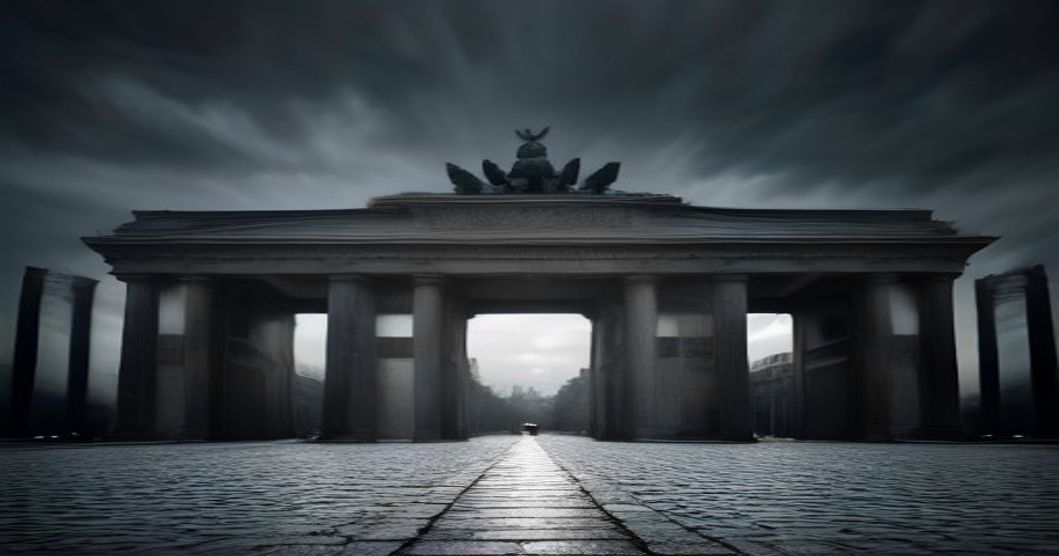
In a dynamic landscape constantly reshaped by global events and domestic policies, Germany finds itself navigating a series of critical challenges and pivotal decisions. From internal political wrangling over the national budget to the ongoing struggle with economic growth and the relentless push for an energy transition, the nation is at a crossroads. Keeping an eye on these developments offers a crucial insight into the heart of Europe’s largest economy and its direction.
Coalition Chaos: Budget Battle Heats Up in Berlin
The German “traffic light” coalition government, comprising the SPD, Greens, and FDP, is currently embroiled in intense negotiations over the 2025 federal budget. These discussions are proving to be particularly fractious, highlighting deep ideological divisions within the ruling parties. The FDP, led by Finance Minister Christian Lindner, is pushing for strict adherence to Germany’s constitutional “debt brake,” advocating for significant spending cuts across various ministries. Conversely, the SPD and the Greens are keen to protect social programs and invest further in climate initiatives, arguing against austerity measures that could impact vulnerable populations or hinder the green transition.
- Key Sticking Points:
- Defense spending increases amidst geopolitical tensions.
- Funding for social welfare and childcare programs.
- Investment in renewable energy infrastructure and climate protection.
- The future of subsidies for various sectors.
The outcome of these negotiations is expected to have far-reaching implications, not only for Germany’s financial stability but also for the stability of the coalition itself. Political observers suggest that failure to reach a consensus could further erode public trust and potentially lead to early elections, a scenario both sides are keen to avoid.
German Economy: Is Recovery on the Horizon?
Recent economic indicators paint a mixed picture for Germany, often dubbed Europe’s economic engine. While there are tentative signs of stabilization in some sectors, the overall growth outlook remains subdued. High energy costs, persistent inflation, and global supply chain disruptions continue to weigh heavily on German industries, particularly the manufacturing sector. The latest reports from the Bundesbank and leading economic institutes suggest that while a recession might be avoided, robust growth is not expected in the immediate future.
Consumer confidence, though slightly improved, is still cautious, impacting domestic demand. Businesses are grappling with labor shortages and increased regulatory burdens. The government’s efforts to stimulate the economy through investment programs and reduced bureaucracy are being closely watched, but their impact is yet to fully materialize. The export-oriented German economy is also highly sensitive to global trade dynamics, making its recovery dependent on a broader international upturn.
Public Transport on the Brink: Strike Waves Hit Hard
Germany has recently experienced, and continues to face the threat of, significant disruptions due to widespread strikes in the public transport sector. Trade unions, representing railway workers, airport staff, and local transport employees, have called for industrial action to demand better wages and improved working conditions amidst high inflation. These strikes have brought large parts of the country to a standstill, causing immense inconvenience for commuters and considerable economic losses.
The ongoing collective bargaining negotiations are proving difficult, with unions and employers struggling to find common ground. The unions argue that workers deserve compensation for the rising cost of living, while employers cite financial constraints and the need to maintain competitiveness. The frequency and scale of these strikes underscore growing labor unrest and the challenges German society faces in balancing economic realities with fair worker compensation. The impact extends beyond commuters, affecting logistics, tourism, and various service industries that rely on a functioning public transport network.
