
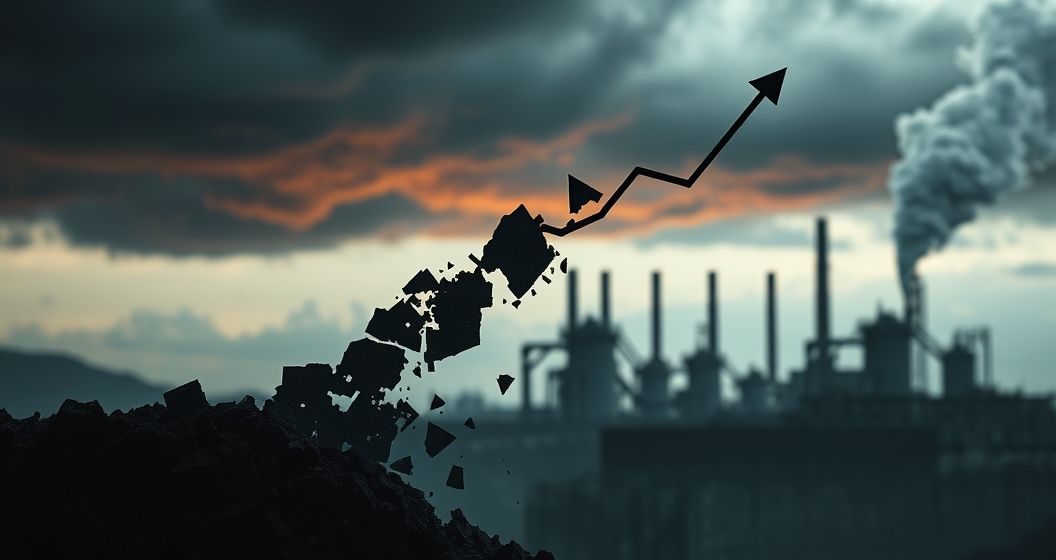
Germany, the economic powerhouse of Europe, is currently navigating a complex landscape of domestic challenges and global uncertainties. From **stubborn inflation** and a struggling industrial sector to heated debates over migration and ambitious climate policies, the nation is at a critical juncture. Understanding these key developments is crucial for anyone interested in European affairs or the global economy. This in-depth look explores the most pressing issues currently dominating headlines across German news outlets.
Germany’s Economic Rollercoaster: Recession Fears and Inflation Headwinds
The German economy continues to face significant headwinds, with many economists warning of a potential technical recession. Recent data suggests a **stagnant or even contracting industrial output**, particularly in energy-intensive sectors still reeling from high prices. While energy costs have somewhat stabilized, the ripple effects of past shocks, coupled with global demand slowdowns and persistent supply chain issues, are proving difficult to overcome. The European Central Bank’s (ECB) aggressive interest rate hikes, aimed at taming inflation, are also impacting borrowing costs and investment, further dampening economic activity.
Consumer confidence remains fragile amidst **elevated inflation rates**, which, though slightly easing, are still well above the ECB’s target. Households are feeling the pinch of rising prices for essential goods and services, leading to cautious spending. The German government is under pressure to implement measures that stimulate growth without exacerbating inflationary pressures. Discussions around targeted industrial support, bureaucratic reforms, and attracting skilled labor are at the forefront of policy debates, as the nation strives to regain its competitive edge and ensure long-term prosperity.
The Migration Maze: Germany’s Ongoing Search for Solutions
Migration remains one of Germany’s most contentious political and social issues. The influx of asylum seekers and refugees continues to strain municipal resources and fuel intense debates within the “Ampel” (traffic light) coalition government. Local authorities are increasingly vocal about their capacity limits, calling for greater federal support and more efficient asylum procedures. Recent proposals include **stricter border controls**, accelerated deportation processes for rejected asylum seekers, and agreements with origin countries to manage migration flows more effectively.
The political discourse is often polarized, with calls for both more humane integration policies and tougher enforcement. The government’s challenge lies in balancing its humanitarian obligations with public concerns about housing, social services, and security. The discussion also extends to the need for skilled immigration to address Germany’s demographic challenges and labor shortages, further complicating the policy landscape. Finding a sustainable and broadly accepted approach to migration is a top priority for Chancellor Olaf Scholz’s administration.
Green Agenda in Focus: The Heated Debate Over Germany’s Energy Transition
Germany’s ambitious “Energiewende” (energy transition) is once again taking center stage, particularly with the controversial **Heating Law (Heizungsgesetz)**. This legislation aims to phase out fossil fuel-based heating systems in favor of renewable alternatives like heat pumps, sparking a fierce public and political debate. While proponents emphasize the urgency of climate action and energy independence, critics point to the substantial financial burden on homeowners and the practical challenges of implementation.
The law has undergone several revisions to address concerns about affordability and technological feasibility, highlighting the complexities of transitioning an entire nation’s infrastructure. Beyond heating, Germany is pushing forward with the expansion of wind and solar energy, significant investments in hydrogen technology, and the development of new energy grids. The balancing act between rapid decarbonization, energy security, and economic viability continues to be a defining feature of Germany’s climate policy, shaping its industrial future and international commitments.
These intertwined challenges underscore a pivotal moment for Germany. How the nation addresses its economic vulnerabilities, navigates migration pressures, and implements its green agenda will not only determine its domestic stability but also significantly influence the future direction of the European Union.

