
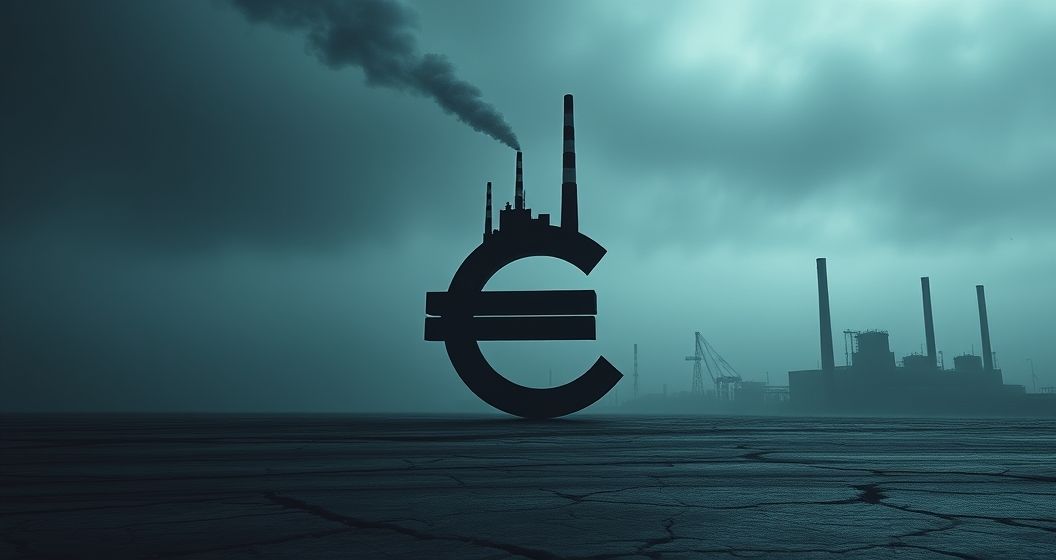
Germany, the economic powerhouse of Europe, is currently navigating a complex landscape marked by both domestic challenges and global pressures. Recent reports from leading German economic institutes and government discussions highlight a cautious outlook, with debates surrounding fiscal policy, industrial performance, and energy security taking center stage. The nation’s ability to adapt to these evolving dynamics will be crucial for its future stability and its pivotal role within the European Union.
The Brewing Storm: Budget Battles and Economic Forecasts
One of the most pressing issues dominating headlines in Germany is the ongoing debate surrounding the national budget and the strict adherence to the country’s “debt brake” (Schuldenbremse). Following a landmark constitutional court ruling that reallocated billions from a special climate fund, the coalition government of Chancellor Olaf Scholz has found itself in a challenging position, forced to find alternative funding or implement significant cuts. This has led to intense discussions and a palpable sense of uncertainty regarding future investments in key areas like climate protection, digitalization, and infrastructure.
- Debt Brake Dilemma: The constitutional requirement to limit new borrowing is a cornerstone of German fiscal policy, but its strict application now threatens planned expenditures.
- Economic Slowdown: Recent economic forecasts, including those from the Bundesbank, suggest a subdued growth outlook for the coming year, with some sectors still grappling with high energy prices and supply chain disruptions.
- Inflationary Pressures: While inflation has shown signs of easing, it remains a concern, impacting consumer spending and real wages across the country.
Industry Adapts: Green Transition and Global Competition
Germany’s renowned industrial sector, particularly its automotive and chemical industries, is undergoing a profound transformation. The push towards renewable energy and sustainable production methods is gaining momentum, yet it also presents significant challenges in terms of investment and maintaining competitiveness on a global scale. Companies are investing heavily in new technologies, from electric vehicle production to hydrogen-based energy solutions, in a bid to secure their future.
However, the transition isn’t without its pain points. Some traditional industries face tough decisions regarding plant closures or relocation due to energy costs or international competition. The government is attempting to support this transition through various subsidies and regulatory frameworks, but the path is intricate and requires careful navigation.
Social Fabric Under Strain: Migration and Public Discourse
Beyond economics, Germany continues to grapple with significant social issues, particularly concerning migration and integration. Local municipalities are increasingly strained by the influx of refugees, leading to calls for more federal support and a re-evaluation of asylum policies. This topic often fuels heated public debates and is a recurring theme in political discourse, particularly as regional elections approach.
Protests and public demonstrations also frequently punctuate the German news cycle, reflecting diverse concerns from climate activism to worker’s rights. The resilience of Germany’s social cohesion will be tested as these complex issues demand thoughtful and balanced solutions.
In essence, Germany stands at a crossroads. While its fundamental economic strength and commitment to innovation remain, the coming months will be critical in demonstrating its ability to reconcile fiscal discipline with necessary investments, adapt its industrial base for a greener future, and address social challenges effectively. The decisions made today will undoubtedly shape the nation’s trajectory for years to come.


