
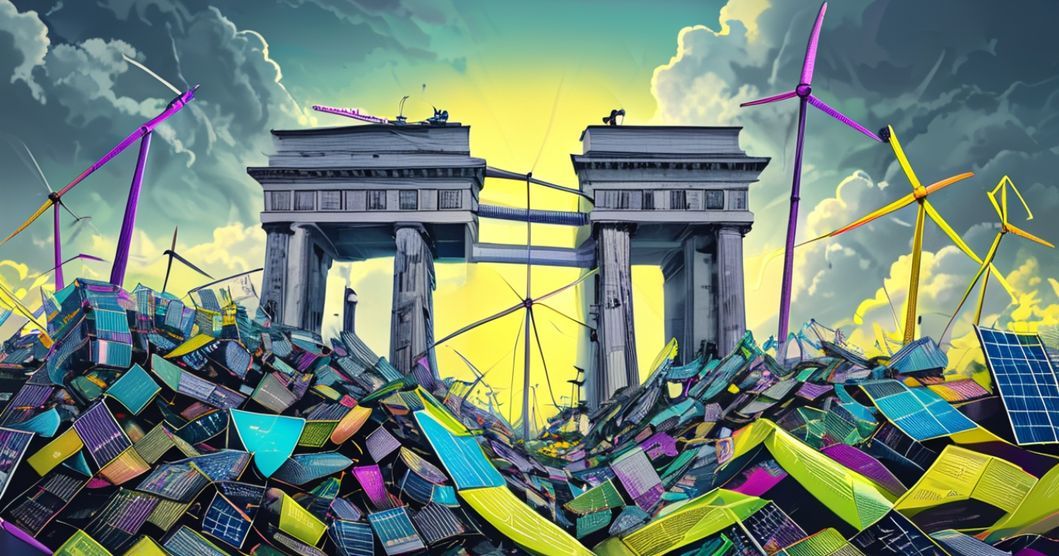
Germany, the economic powerhouse of Europe, is currently navigating a complex landscape marked by significant domestic policy debates and evolving global dynamics. Recent headlines from German media outlets highlight a nation grappling with its fiscal future, industrial resilience, and ambitious environmental goals. The ongoing discussions in Berlin are not merely about numbers but about setting the trajectory for the country’s stability and prosperity in the coming years.
Germany’s Budget Battle Heats Up: The Debt Brake Dilemma
One of the most pressing issues dominating the political agenda is the preparation of the 2025 federal budget. Chancellor Olaf Scholz’s coalition government, comprising the Social Democrats (SPD), the Greens, and the Free Democratic Party (FDP), is locked in intense negotiations. At the heart of this debate is Germany’s constitutionally enshrined “debt brake” (Schuldenbremse), which severely limits new borrowing. While the FDP, led by Finance Minister Christian Lindner, staunchly advocates for strict adherence to the debt brake, the Greens and parts of the SPD are pushing for more flexibility to allow for crucial investments, particularly in climate protection and infrastructure.
The implications of this fiscal constraint are profound. Ministries are being tasked with significant savings, potentially impacting various sectors from social welfare to defense. The challenge lies in balancing fiscal prudence with the urgent need for modernization and investment, especially as Germany seeks to strengthen its industrial base and enhance its geopolitical standing. This internal political struggle underscores the divergent visions within the coalition on how best to steer the German economy through turbulent times.
Economic Indicators: Navigating Stagnation and Modest Hope
Recent economic data presents a mixed picture for Germany. While earlier fears of a deep recession have somewhat receded, the economy continues to face headwinds. Industrial production figures have shown signs of stagnation, particularly impacting the manufacturing sector, which has historically been the backbone of German prosperity. High energy costs and global supply chain disruptions continue to pose challenges, although some sectors are showing resilience.
Inflation, a major concern for German households and businesses, has been on a downward trend but remains above the European Central Bank’s target. This has eased some pressure on consumer spending power, yet the overall economic sentiment remains cautious. Experts predict only modest economic growth for Germany in the current year, highlighting the need for structural reforms and greater competitiveness. The government is keenly aware of the importance of fostering innovation and reducing bureaucratic hurdles to reinvigorate growth.
The Green Shift: Energy Transition Amidst Challenges
Germany’s commitment to the energy transition (Energiewende) remains unwavering, despite the economic pressures. The expansion of renewable energy sources, particularly wind and solar power, is progressing, but not without obstacles. Infrastructure development, especially for electricity grids capable of handling increased renewable input, is a key focus. Debates also continue regarding the role of natural gas as a transitional fuel, especially as Germany phases out coal power.
New policies and investments are targeting hydrogen technology and improving energy efficiency across industries. The push for green technologies is seen not just as an environmental necessity but also as an economic opportunity, positioning Germany as a leader in sustainable innovation. However, achieving these ambitious climate targets requires significant capital and broad societal consensus, both of which are constantly being negotiated in the public and political spheres.
In conclusion, Germany stands at a critical juncture. The decisions made regarding the 2025 budget, efforts to stimulate economic growth, and the accelerated transition to a greener economy will define its path forward. These are not isolated challenges but interconnected facets of a nation striving to maintain its position as a global leader while adapting to profound domestic and international shifts.


