
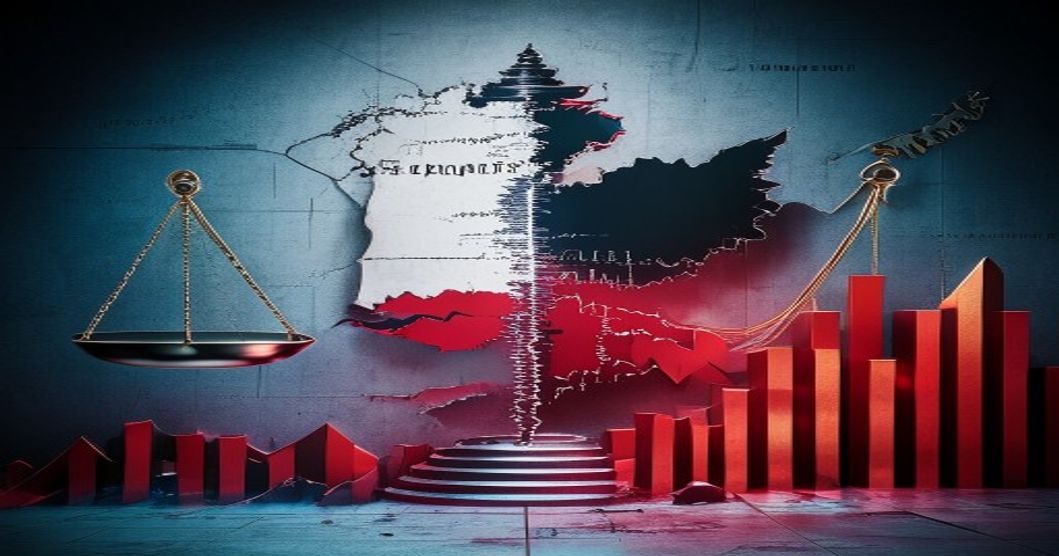
Germany, the economic powerhouse of Europe, finds itself navigating a turbulent period marked by intense domestic political wrangling and significant economic uncertainties. Recent developments highlight a nation grappling with its fiscal future, the pace of its green transition, and its overall economic resilience amidst global headwinds.
The Great Budget Showdown: A Test for the Coalition
At the heart of Germany’s current political maelstrom is the contentious debate surrounding the 2025 federal budget. The ruling “Ampelkoalition” – comprised of the Social Democrats (SPD), Greens, and Free Democrats (FDP) – is locked in fierce negotiations, struggling to reconcile ambitious spending plans with Germany’s constitutionally enshrined “debt brake.” This fiscal rule limits new borrowing, compelling ministries to identify significant savings or new revenue streams.
The implications of this budget stalemate are profound. Discussions range from potential cuts in social welfare programs and infrastructure investments to debates over defense spending and climate initiatives. Each party within the coalition holds distinct priorities, making consensus elusive. The Greens advocate for robust climate investments, the FDP insists on strict fiscal discipline, and the SPD aims to protect social expenditures. This ongoing tug-of-war not only strains coalition unity but also casts a shadow of uncertainty over long-term policy planning and public services.
Economic Headwinds: Navigating the Slow Lane
Beyond the political arena, Germany’s economy continues to face considerable challenges. While inflation has shown signs of moderation, particularly in energy prices, the broader economic picture remains complex. Recent data reveals a persistent struggle in key industrial sectors, with manufacturing output often lagging expectations. Germany’s export-oriented model is particularly sensitive to global economic slowdowns and geopolitical tensions.
Experts and leading economic institutes are offering cautious forecasts. While some anticipate a gradual recovery in the latter half of the year, driven by stabilizing global demand and potentially lower interest rates, others warn of lingering structural issues. Energy costs, labor shortages, and the imperative for industrial transformation continue to weigh on business sentiment. The government’s ability to provide clear economic signals and foster investor confidence is crucial in these trying times.
Shifting Energy Gears: The Green Transition’s Momentum
Amidst fiscal and economic pressures, Germany remains committed to its ambitious energy transition goals (Energiewende). The push towards renewable energy sources – primarily wind and solar – continues at pace, with significant investments in infrastructure and innovative technologies. However, the path is not without obstacles. Permitting processes for new wind farms can be lengthy, and the integration of fluctuating renewable energy into the national grid requires substantial upgrades.
Recent policy decisions aim to accelerate this transition, but they often spark public debate, especially regarding the costs and potential impact on consumers and industries. The phase-out of coal-fired power plants, coupled with the earlier nuclear exit, places immense pressure on ensuring a stable and affordable energy supply. Germany’s success in balancing environmental imperatives with economic realities will serve as a critical test case for other industrial nations.
In conclusion, Germany is at a critical juncture, balancing internal political divisions with external economic pressures and an ambitious climate agenda. The coming months will be instrumental in determining the nation’s trajectory, requiring decisive leadership and a consensus-driven approach to navigate these multifaceted challenges.


