
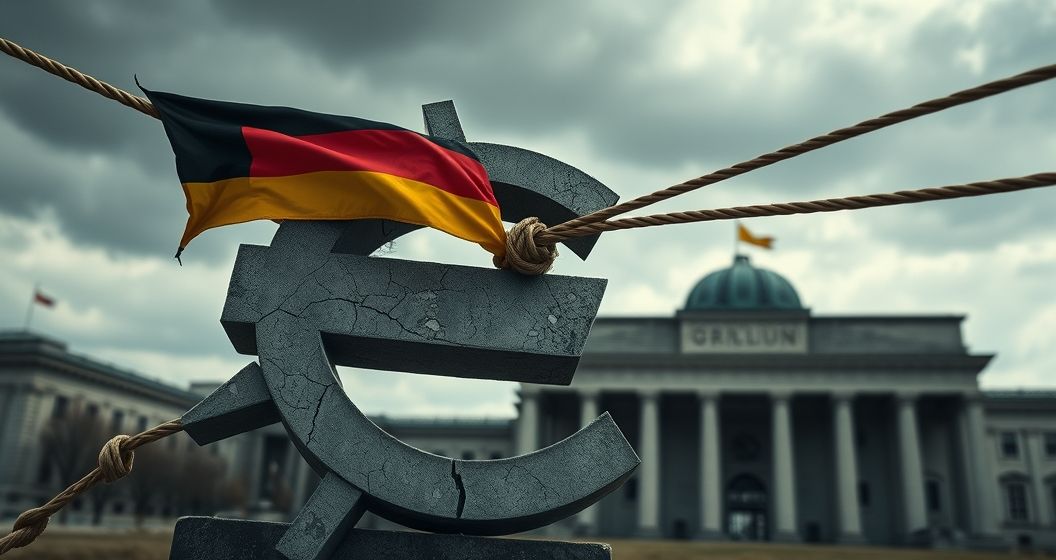
Germany’s ruling coalition is currently embroiled in a tense and complex debate over the federal budget for 2025. The discussions highlight deep ideological divides between the coalition partners regarding fiscal policy, social spending, and future investments. At the heart of the conflict is Finance Minister Christian Lindner’s push for significant austerity measures to comply with the country’s constitutional debt brake, a move that is meeting stiff resistance from his government colleagues.
The Core of the Conflict: Savings vs. Spending
The fundamental disagreement pits the fiscally conservative Free Democrats (FDP), led by Lindner, against the Social Democrats (SPD) of Chancellor Olaf Scholz and the Greens. Lindner insists on adhering to the “Schuldenbremse,” or debt brake, which limits new government borrowing. This requires billions of euros in spending cuts across various ministries, a proposal he argues is necessary for long-term fiscal stability and to curb inflation.
However, the SPD and the Greens argue that drastic cuts will harm social cohesion and stifle necessary investments in climate protection, infrastructure, and digitalization. They advocate for alternative solutions, including potential reforms to the debt brake or finding new revenue streams to avoid deep cuts to essential public services. This ideological clash has created a significant hurdle in finalizing a budget draft that all parties can support.
Key Areas of Disagreement
The negotiations have revealed several key flashpoints where the coalition partners are struggling to find common ground. These areas represent the broader battle over the future direction of Germany’s economic and social policy.
Defense and Security Spending
One of the most significant challenges is financing increased defense spending. Following international pressures and commitments to NATO, Germany is expected to allocate more funds to its military. This creates a massive financial demand that conflicts directly with the goal of overall budget consolidation. Finding a way to fund defense without imposing excessively deep cuts elsewhere is a central part of the ongoing negotiations.
Social Welfare and Citizen Relief
Social programs are another major point of contention. Proposed cuts could affect citizen benefits (Bürgergeld), family support, and other public services. The SPD and Greens strongly oppose measures that would place a greater burden on low- and middle-income households, warning of potential social unrest and a weakening of the welfare state. They argue that the government has a duty to protect its most vulnerable citizens, especially during times of economic uncertainty.
Economic Implications and Political Future
The outcome of these budget talks will have far-reaching consequences for Germany’s economy. Business leaders are watching closely, with some supporting fiscal discipline to create a stable investment environment, while others worry that austerity could dampen domestic demand and slow economic growth. The ongoing dispute also tests the stability of Chancellor Scholz’s three-party coalition, which has often struggled to present a united front.
Ultimately, the ability of the coalition partners to forge a viable compromise will be a critical test of their governance. The final budget will not only shape Germany’s financial path for the coming year but also send a powerful signal about the political priorities and future viability of the current government.

