
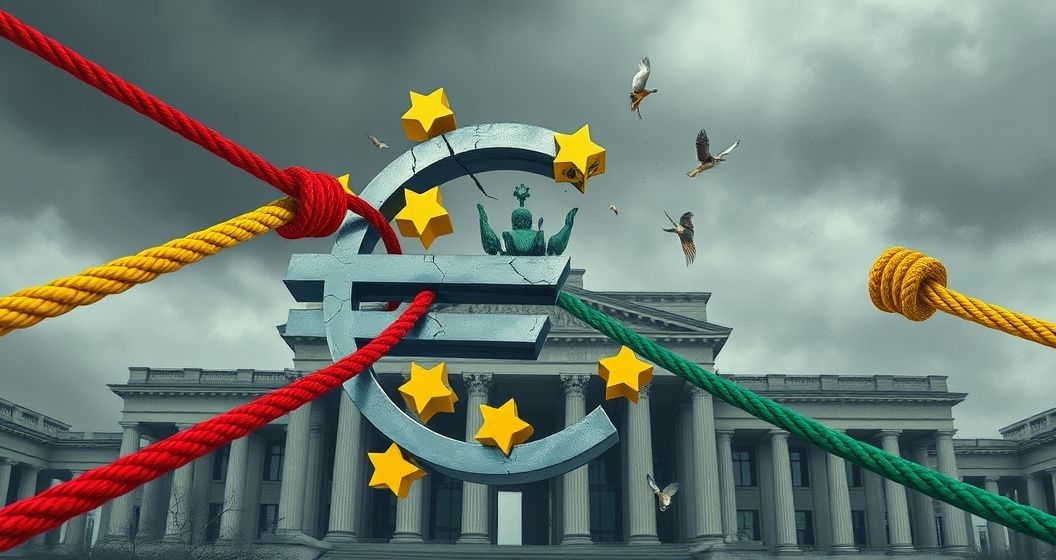
Germany’s ruling “traffic light” coalition is facing a critical test as intense negotiations over the 2025 federal budget reveal deep ideological divides. Chancellor Olaf Scholz’s Social Democrats (SPD), Robert Habeck’s Greens, and Christian Lindner’s Free Democrats (FDP) are struggling to bridge a multi-billion euro gap in their financial plans. The outcome of these talks will not only determine the country’s fiscal policy but could also decide the future of the government itself.
The Core of the Conflict
The central issue revolves around fundamentally different approaches to fiscal responsibility and state spending. Finance Minister Christian Lindner (FDP) is a staunch advocate for strict adherence to Germany’s constitutional “debt brake” (Schuldenbremse), which severely limits new borrowing. He insists on closing the budget gap primarily through spending cuts across various ministries, arguing against any form of tax increases to protect the economy.
Conversely, the SPD and the Greens are pushing for significant investments in social welfare, climate protection, and industrial transformation. They argue that rigid austerity would stifle economic growth and jeopardize Germany’s long-term competitiveness. While not openly calling for the debt brake’s abolition, they are exploring ways to reform or creatively bypass its restrictions to fund their priority projects, creating a major point of friction with their FDP partners.
Key Areas of Disagreement
The budget dispute is not abstract; it concerns concrete policy areas where the parties have conflicting priorities. Several key battlegrounds have emerged during the negotiations, highlighting the coalition’s internal strife.
Social Spending vs. Defense Commitments
A significant portion of the German budget is allocated to social programs, including unemployment benefits and pensions. While the SPD is determined to protect the social safety net from deep cuts, other ministries are under pressure to save. Simultaneously, Germany is committed to increasing its defense spending to meet NATO targets, a costly endeavor that puts further strain on available funds. Deciding where the axe should fall—on social welfare or other departmental budgets—is a primary source of contention.
The Future of the Debt Brake
The “debt brake” remains the most significant ideological hurdle. The FDP views it as a non-negotiable pillar of sound financial policy. However, many economists, along with Green and SPD politicians, argue that the rule is outdated and prevents necessary public investment in infrastructure, digitalization, and the green transition. The debate is no longer just about the 2025 budget but about the fundamental direction of Germany’s economic policy for the next decade.
Potential Political and Economic Consequences
The inability to agree on a budget framework carries significant risks. Continued public disagreements erode voter confidence and project an image of instability, potentially harming the parties in upcoming elections. Economically, the uncertainty could deter private investment as businesses wait for clarity on the government’s fiscal direction. If a compromise is not reached soon, it could trigger a severe government crisis, with the collapse of the coalition becoming a real possibility.
Chancellor Scholz is now under immense pressure to mediate a solution that all three partners can accept. The coming weeks will be crucial in determining whether the coalition can find a path forward or if their fundamental differences will prove insurmountable.


