
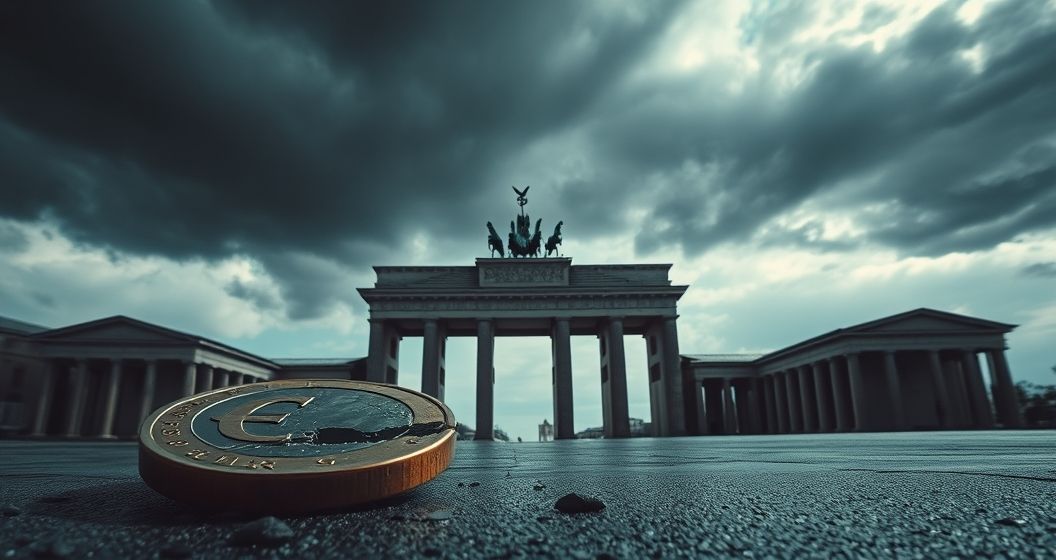
Germany, the economic powerhouse of Europe, is once again navigating turbulent waters. Recent reports from Berlin indicate intense and ongoing debates surrounding the **2024 federal budget**, a topic that has sent ripples of uncertainty across the nation and beyond. Following a landmark constitutional court ruling that reined in the government’s spending flexibility, Chancellor Olaf Scholz’s coalition faces the monumental task of reconciling ambitious climate goals and social programs with the strictures of Germany’s cherished ‘debt brake’ (Schuldenbremse).
The Debt Brake Dilemma: Austerity or Investment?
The core of the current budgetary crisis lies in the interpretation and application of the constitutional debt brake, which limits new borrowing. While designed to ensure fiscal stability, critics argue it could stifle crucial investments needed for Germany’s energy transition, digitalization, and infrastructure. **Recent discussions have seen heated exchanges** within the “traffic light” coalition (SPD, Greens, FDP) as ministers scramble to find billions in savings without jeopardizing key projects or angering the electorate further.
- Key Challenge: Balancing fiscal discipline with the urgent need for investment in a rapidly changing global landscape.
- Economic Impact: Businesses are closely watching, concerned that prolonged uncertainty could deter investment and slow economic recovery.
Farmers’ Fury: Germany’s Roads Blocked by Protesting Tractors!
In a dramatic display of discontent, Germany has recently witnessed widespread **farmers’ protests**, with thousands of tractors blocking major roads and city centers. The protests, sparked initially by government plans to cut agricultural diesel subsidies and remove vehicle tax exemptions for farming vehicles, quickly escalated into a broader expression of frustration over agricultural policy, bureaucracy, and economic pressures.
Farmers argue that these proposed cuts, while partially rolled back by the government in response to the initial outcry, still threaten their livelihoods and the competitiveness of German agriculture. The scenes of mass demonstrations have put immense pressure on the government to find solutions that address the concerns of the agricultural sector, a vital part of the German economy and rural communities.
Beyond Subsidies: A Call for Fairer Policy
While the immediate trigger was financial, many farmers emphasize a deeper dissatisfaction. “It’s not just about diesel, it’s about the future of farming in Germany,” one farmer was quoted saying during a protest in Berlin. The movement highlights a growing divide between rural and urban interests, and the challenges of implementing environmental policies without disproportionately burdening specific industries. This ongoing dialogue underscores the complexities of Germany’s socio-economic landscape.
Migration Debates Intensify: Germany Grapples with New Realities
The perennial issue of **migration and asylum policy** continues to dominate headlines in Germany, with recent weeks seeing intensified debates among federal, state, and municipal leaders. Municipalities, in particular, are calling for greater support and stricter federal measures, citing overwhelming capacity challenges in accommodating asylum seekers.
Chancellor Scholz’s government has been actively exploring options, including stronger border controls, faster deportation processes for rejected asylum seekers, and agreements with countries of origin to facilitate returns. However, finding a consensus within the diverse coalition and respecting international human rights obligations remains a delicate balancing act.
The discussion isn’t just about numbers; it delves into *integration challenges*, housing shortages, and the strain on public services. As Germany seeks to manage both humanitarian responsibilities and domestic capacities, the evolving migration landscape remains a critical and sensitive political issue with significant societal implications.


