
BERLIN, Germany – Germany finds itself at a pivotal juncture, navigating a complex web of domestic challenges and economic headwinds. From a gripping budget crisis that has rattled its ruling coalition to an economy grappling with persistent inflation and industrial concerns, and widespread farmer protests highlighting rural discontent, the nation is actively shaping its future amidst significant pressure. Here’s a look at the most pressing issues currently dominating the German agenda, all sourced from the latest reports across German news outlets via Google News.
Germany’s Budget Crisis: Debt Brake Shakes Coalition!
Germany’s political landscape is currently dominated by an intense debate surrounding the federal budget and the nation’s constitutional debt brake. Following a landmark ruling by the Federal Constitutional Court, which deemed the government’s reallocation of unused COVID-19 funds unconstitutional, a substantial gap of 60 billion euros emerged in the 2024 budget. This decision has plunged the ruling “traffic light” coalition – composed of the Social Democrats (SPD), Greens, and Free Democrats (FDP) – into a deep crisis, forcing a re-evaluation of spending priorities and potential cuts across various ministries.
The core of the dispute centers on reconciling ambitious climate protection goals and social spending with the strictures of the debt brake, which limits new borrowing. Finance Minister Christian Lindner (FDP) staunchly advocates for spending cuts, while the Greens and parts of the SPD emphasize the need for investments in energy transition and social programs, potentially seeking creative ways to circumvent or reform the brake. Economists and political analysts are closely watching, warning of potential impacts on Germany’s economic stability if a viable solution is not found swiftly. The outcome will not only define Chancellor Olaf Scholz’s government but also set a crucial precedent for future fiscal policies in Europe’s largest economy.
German Economy: Is the Engine Sputtering?
FRANKFURT, Germany – Recent economic indicators paint a mixed picture for Germany, often referred to as Europe’s economic powerhouse. While inflation has shown signs of easing, falling to 3.2% in November, underlying concerns about industrial output and energy prices persist. The manufacturing sector, a traditional strong suit for Germany, continues to grapple with high energy costs and supply chain disruptions exacerbated by global geopolitical tensions. Industrial orders have seen fluctuations, and the export-oriented economy faces headwinds from slowing global demand.
The Bundesbank recently revised its growth forecast downwards, signaling a cautious outlook for the coming year. Businesses increasingly worry about competitiveness, especially against the backdrop of subsidies offered in other major economies like the United States. Discussions focus on the need for structural reforms, reduced bureaucracy, and targeted investments to boost innovation and digital transformation. Experts emphasize that for Germany to regain full economic momentum, a clear strategy addressing these challenges – from securing affordable energy to fostering a more agile business environment – is paramount. The government’s ability to navigate these complex economic waters will be crucial for the nation’s prosperity.
Farmers’ Fury: Germany’s Agricultural Policies Under Fire!
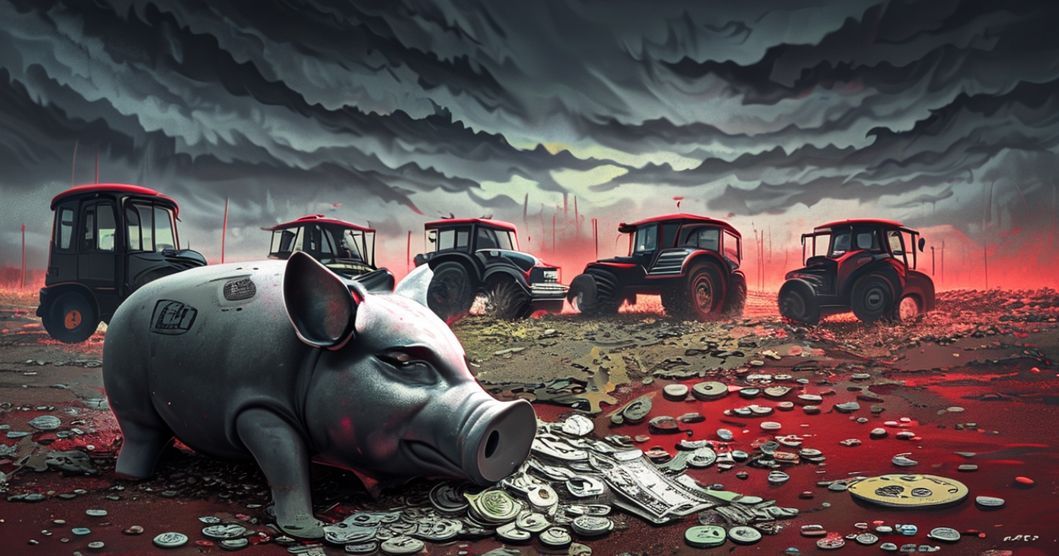
BERLIN, Germany – Germany has recently witnessed a wave of widespread protests by farmers, who have taken to the streets and blocked major roads with their tractors to voice their discontent. The demonstrations, which have garnered significant public attention, primarily target the government’s proposed cuts to agricultural subsidies and what farmers perceive as an ever-increasing regulatory burden. A key point of contention is the planned elimination of tax exemptions on agricultural diesel and other financial aids, which farmers argue would severely impact their livelihoods and the competitiveness of German agriculture.
Organized by various agricultural associations, these protests highlight deep-seated frustrations within the farming community regarding environmental regulations and the overall direction of agricultural policy. Farmers argue that while committed to sustainable practices, current policies place undue financial strain on their operations, threatening the future of family-run farms. The government faces a delicate balancing act: addressing the farmers’ legitimate concerns while pursuing its environmental and climate goals. Ongoing dialogue and potential policy adjustments will be critical in mitigating the unrest and ensuring the long-term viability of Germany’s vital agricultural sector, underscoring the complex challenges of green transitions.


