
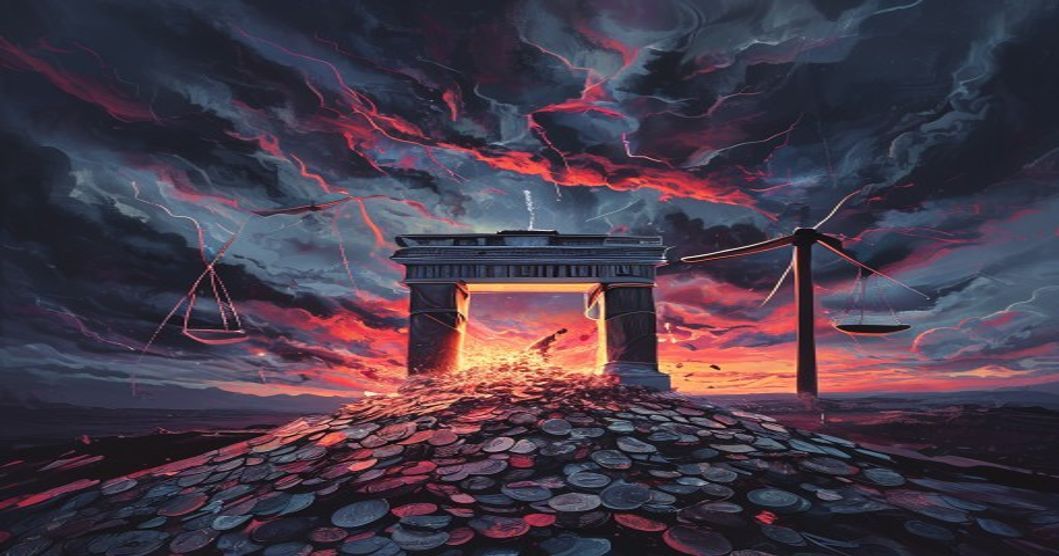
Germany, a traditional economic powerhouse, finds itself at a pivotal moment, navigating a complex web of domestic and international challenges. Recent developments across the nation’s political and economic landscapes indicate a period of significant introspection and difficult decision-making. From unforeseen budgetary crises to the persistent push for an ambitious energy transition, the country is grappling with issues that demand immediate attention and strategic foresight.
Germany’s Unforeseen Budgetary Quagmire
One of the most pressing concerns gripping Berlin is the fallout from a landmark ruling by the Federal Constitutional Court. The court declared the government’s reallocation of 60 billion euros from unused pandemic funds to a climate and transformation fund unconstitutional, effectively blowing a massive hole in the federal budget. This decision has sent shockwaves through the ruling coalition, compelling an urgent re-evaluation of spending plans and investment strategies.
- Impact on Climate Initiatives: Funds earmarked for green industrial transformation, renewable energy projects, and energy-efficient building renovations are now uncertain.
- Debt Brake Dilemma: The ruling has intensified debates around Germany’s constitutional “debt brake,” which limits new borrowing, complicating efforts to finance essential projects without raising taxes or cutting other vital expenditures.
- Economic Ramifications: Businesses and industries relying on these funds for their own green transitions face potential delays and increased uncertainty, potentially dampening economic growth in an already sluggish environment.
The government is now in a frantic race against time to present a revised budget, a task made increasingly difficult by the differing priorities of the coalition partners. The outcome will undoubtedly shape Germany’s fiscal policy for years to come and determine the viability of many promised initiatives.
The Green Transition’s Rocky Road Ahead
Parallel to the budget crisis, Germany continues its ambitious, yet often contentious, journey towards a full energy transition. The “Heizungsgesetz” (Heating Law), aimed at phasing out fossil fuel heating systems, has been a particular flashpoint. While proponents champion its necessity for climate goals, critics point to the financial burden on homeowners and the practical challenges of implementation.
The transition’s success hinges on several critical factors:
- Grid Expansion: The electricity grid needs significant upgrades and expansion to handle increased renewable energy input and demand.
- Public Acceptance: Policies must be designed and communicated in a way that garners broad public support, minimizing resistance to necessary changes.
- Technological Innovation: Continued investment in research and development for sustainable technologies is crucial for long-term success.
Energy security also remains a paramount concern, especially given the geopolitical landscape. Germany’s efforts to diversify its energy sources and reduce reliance on single suppliers are ongoing, but the path is fraught with challenges, including fluctuating energy prices and the need for significant infrastructure investments.
Economic Headwinds and Social Unrest
Economically, Germany is battling persistent inflation and a challenging global environment. High energy costs, supply chain disruptions, and a slowdown in key export markets have contributed to anemic growth figures. The manufacturing sector, a traditional pillar of the German economy, faces particular headwinds, leading to concerns about competitiveness and job security.
This economic strain, coupled with the political uncertainty emanating from Berlin, has fueled public discontent. Recent weeks have seen various groups, from farmers protesting new environmental regulations and fuel price hikes to transport workers demanding better wages, take to the streets. These demonstrations underscore a growing frustration with government policies and the perceived erosion of living standards.
The German government faces the daunting task of simultaneously stabilizing its finances, accelerating its green transition, and addressing the economic anxieties of its citizens. The decisions made in the coming months will be critical in determining Germany’s ability to navigate these turbulent waters and emerge stronger on the global stage.


