
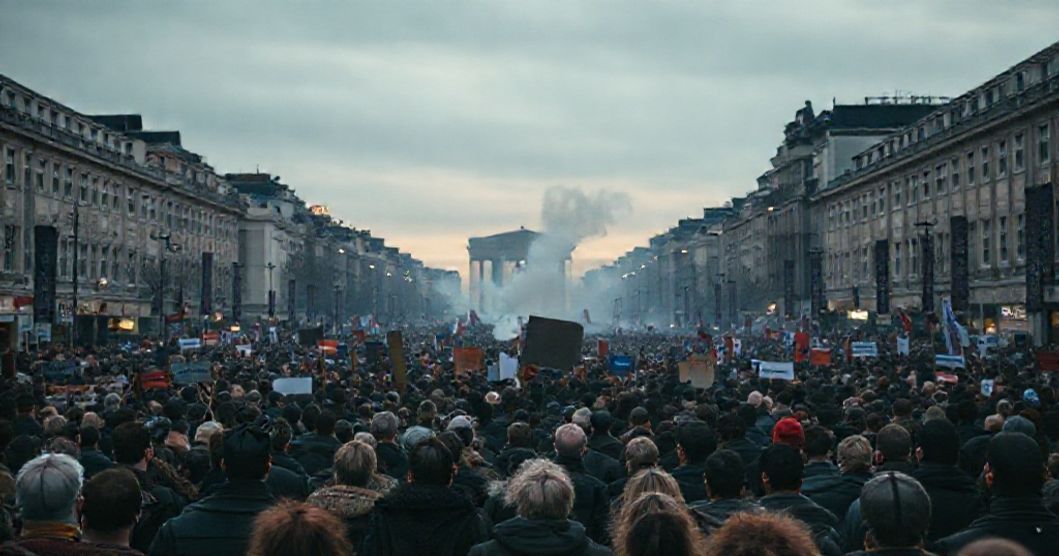
As Europe’s economic powerhouse, Germany finds itself navigating a tempestuous period marked by widespread social unrest, significant economic headwinds, and intense political debate. The nation, often a beacon of stability, is currently grappling with a confluence of challenges that are testing its resilience and shaping its future trajectory.
Nationwide Protests Flare Up as Farmers Demand Action
One of the most visible signs of discontent has been the unprecedented wave of farmer protests sweeping across the country. Thousands of agricultural workers have taken to the streets, blocking major roads and city centers with their tractors, to voice their strong opposition to the government’s proposed cuts to agricultural diesel subsidies and vehicle tax exemptions. These protests, which have garnered significant public attention and sympathy, underscore a deeper frustration within rural communities regarding economic viability and governmental policies. The coalition government, led by Chancellor Olaf Scholz, is under immense pressure to find a viable solution that appeases the agricultural sector without compromising its fiscal consolidation efforts.
- Key Grievances: Withdrawal of tax breaks on diesel and agricultural vehicle taxes.
- Impact: Widespread traffic disruptions, heightened political tension, and calls for government policy re-evaluation.
- Government Response: Initial partial concessions have been made, but farmers continue to demand full reversal of cuts.
Economic Headwinds and Budgetary Battles
Beneath the surface of social unrest, Germany’s economy is showing concerning signs of strain. The nation is contending with a significant budget deficit, exacerbated by recent court rulings that constrained the government’s ability to repurpose pandemic-era funds. This has reignited a fierce debate around the “debt brake” (Schuldenbremse), a constitutionally enshrined fiscal rule that limits new borrowing. The manufacturing sector, a traditional pillar of German prosperity, is facing challenges from high energy costs and global competition, contributing to a sluggish growth outlook. Experts are increasingly warning of a potential technical recession, placing immense pressure on policymakers to stimulate growth while adhering to fiscal discipline.
Challenges on the Horizon:
- Inflationary Pressures: While easing, inflation remains a concern, impacting consumer purchasing power.
- Energy Transition Costs: The ambitious shift towards renewable energy sources presents significant investment requirements and operational hurdles.
- Global Competition: German industries face intensified competition, particularly from Asia, in key sectors.
- Labor Shortages: Demographic shifts are leading to a growing scarcity of skilled workers, impacting productivity.
Navigating the Future: A Test of Leadership
The current climate poses a formidable test for the German government. Balancing the demands of protesting farmers, managing a tight budget, addressing economic stagnation, and pushing forward with critical climate and social policies requires delicate political maneuvering. Discussions around immigration and integration policies also continue to shape the domestic agenda, reflecting broader societal debates. The path ahead for Germany is undoubtedly complex, requiring a blend of strategic vision, economic pragmatism, and social cohesion to overcome these multifaceted challenges and maintain its pivotal role on the global stage. The decisions made in the coming months will be crucial in determining the country’s trajectory for years to come, making these *breaking developments* essential viewing for anyone tracking European affairs.