
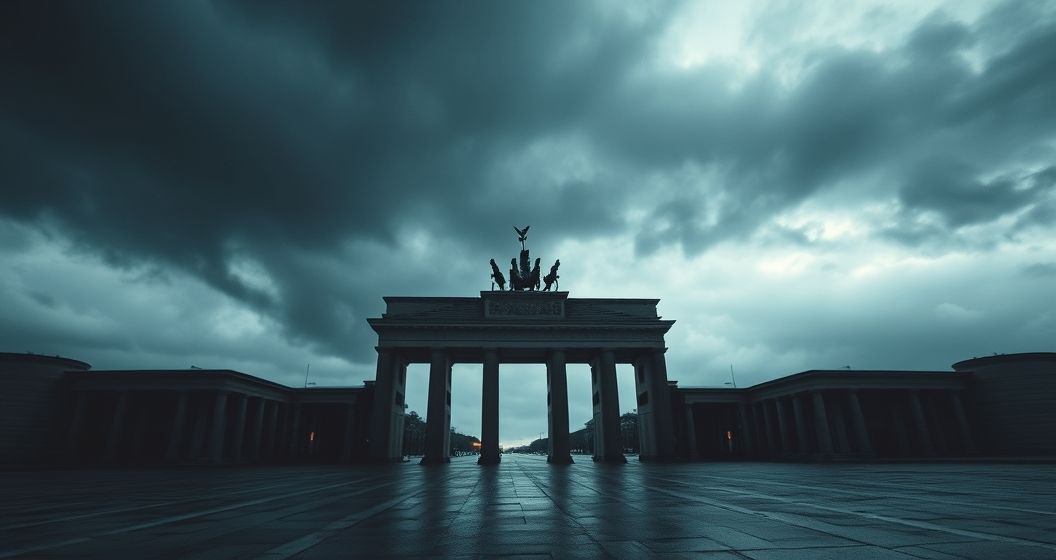
Germany, Europe’s economic powerhouse, is currently navigating a complex landscape of ambitious climate policies, persistent economic challenges, and ongoing social shifts. From groundbreaking legislation aiming to revolutionize home heating to a watchful eye on inflation and the recurring disruptions of public transport strikes, the nation is bustling with developments that have far-reaching implications both domestically and across the continent. Staying informed about these crucial updates offers a vital window into the heart of modern Germany.
Germany’s Green Heating Revolution: The Controversial New Law
One of the most intensely debated topics dominating German headlines is the federal government’s new Heating Law, officially known as the “Building Energy Act” (Gebäudeenergiegesetz – GEG). This legislation marks a significant step in Germany’s ambitious climate transition, mandating that newly installed heating systems must run on at least 65% renewable energy from 2024 onwards. The law aims to phase out fossil fuel-based heating in favor of more sustainable alternatives like heat pumps, solar thermal systems, and district heating.
While the intent is clear – to drastically reduce CO2 emissions from buildings – the implementation has sparked considerable controversy. Critics argue that the law places an undue financial burden on homeowners, particularly those with older properties, and that the timeline for conversion is too aggressive. The government has responded by introducing a comprehensive subsidy program and transition periods, yet public discourse remains heated. Expect this topic to continue shaping political debates and household budgets throughout the coming years as Germany strives for a greener future.
Inflation Rollercoaster: Germany’s Economic Battle
The German economy continues to grapple with persistent inflationary pressures, albeit with some signs of stabilization. Recent data indicates a slight uptick in the inflation rate, reminding policymakers and consumers alike that the battle against rising prices is far from over. Energy costs, although lower than their peak, and food prices remain significant drivers of the overall inflation rate, impacting the purchasing power of average households.
Analysts are closely watching the European Central Bank’s (ECB) monetary policy decisions, as interest rate hikes aim to cool the economy and bring inflation back to target levels. However, concerns persist about a potential recession, with Germany’s industrial sector facing challenges from high energy prices and global supply chain disruptions. Consumer confidence remains a critical indicator, with households cautiously navigating their spending habits amidst economic uncertainties. The balancing act between fighting inflation and avoiding an economic downturn is a delicate one for Germany’s financial leadership.
Chaos on the Rails: Germany’s Latest Strike Wave
Germany has recently experienced a series of disruptive strikes, particularly affecting its vital public transport networks. Various unions, representing workers across different sectors, have called for industrial action to demand better wages and working conditions in the face of rising living costs. These strikes often lead to widespread cancellations of trains, buses, and trams, causing significant inconvenience for commuters and travelers across major cities and regions.
The disputes typically involve intense negotiations between unions and employers, highlighting the ongoing tension between labor demands and economic realities. While strikes are a legitimate tool for collective bargaining, their frequency and impact underscore a broader challenge within Germany’s public services. The ability of the country to maintain efficient infrastructure is crucial for its economic performance and the daily lives of its citizens. These labor disputes are a powerful reminder of the social dynamics at play as Germany adjusts to new economic pressures.
In conclusion, Germany is currently a nation in flux, pushing forward with ambitious environmental targets, navigating a tricky economic recovery, and addressing the social demands of its workforce. These developments are not just headlines; they are shaping the everyday lives of millions and setting precedents for other European nations.
