
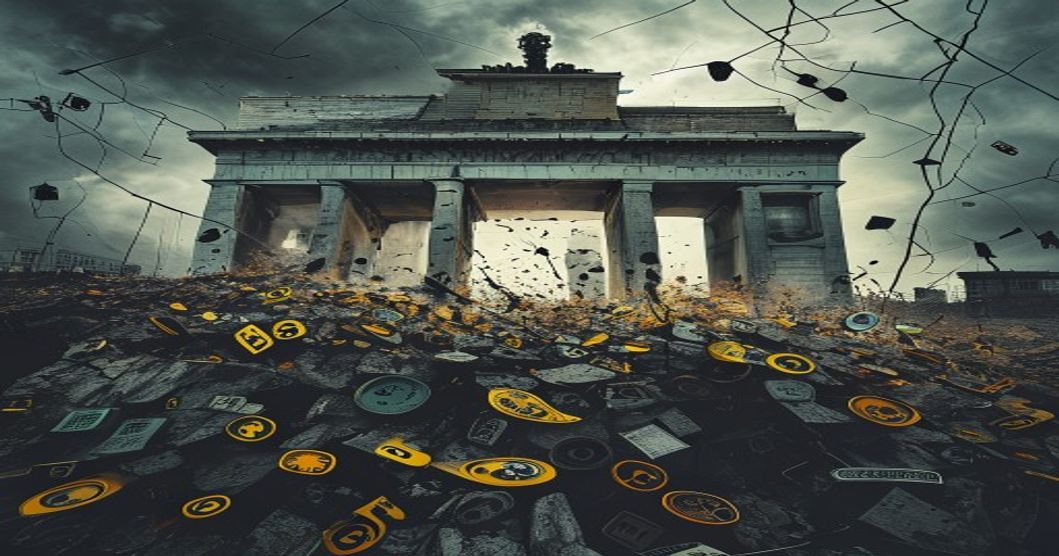
Germany, the economic powerhouse of Europe, is currently navigating a tempestuous sea of domestic and international challenges. From a looming budget crisis that threatens to derail key government initiatives to persistent inflation and the complex path of its green energy transition, the nation finds itself at a critical juncture. The latest headlines from German news outlets paint a picture of intense political debate, economic uncertainty, and a society grappling with profound changes. Staying abreast of these developments is crucial, as their ripple effects extend far beyond Germany’s borders.
Germany’s Budget Crisis: A Looming Financial Earthquake?
The federal budget stands at the epicenter of Germany’s current political turmoil. A recent constitutional court ruling concerning the reallocation of unused pandemic funds has plunged the coalition government into a profound financial crisis. This verdict effectively blew a massive hole in the budget, estimated to be in the tens of billions of euros, forcing immediate and drastic measures. The ruling challenged the government’s creative accounting, specifically its use of emergency funds for climate and transformation projects. This has triggered intense debates on whether to suspend the constitutionally enshrined “debt brake” once again, or to implement severe spending cuts across various ministries. The implications are enormous, threatening to halt critical investments in climate protection, digitalization, and infrastructure. Businesses and citizens alike are watching closely, concerned about the stability and reliability of future government policies amidst this unprecedented fiscal challenge.
Economic Outlook: Inflation, Recession, and Industrial Woes
Beyond the budget woes, Germany’s economic health remains a significant concern. While inflation has shown signs of easing, it continues to put pressure on household budgets and business costs. The country narrowly avoided a technical recession earlier in the year, but growth forecasts remain sluggish, with many experts predicting minimal expansion or even contraction in the coming quarters. Key sectors, particularly the energy-intensive industries, are struggling with high energy prices and global competition. Supply chain disruptions, though less severe than during the pandemic, still pose challenges. The automotive industry, a traditional backbone of the German economy, is undergoing a massive transformation towards electric vehicles, bringing both opportunities and significant restructuring pains. The tight labor market, while generally robust, also faces demographic challenges, underscoring the need for skilled workers and effective integration strategies.
The Green Transition: Germany’s Heating Law Sparks Heated Debate
Germany’s ambitious push towards climate neutrality continues to dominate domestic discourse, most notably through the controversial Heating Law (Heizungsgesetz). This legislation aims to accelerate the transition away from fossil fuel heating systems, mandating that new heating installations must run on at least 65% renewable energy. While lauded by environmentalists as a necessary step, it has sparked widespread concern and anger among homeowners and the opposition. Many fear exorbitant costs for replacing their existing heating systems, leading to potential financial distress and a sense of being overburdened. The law’s implementation, initially fraught with delays and political infighting, has highlighted the complex balance between environmental imperatives, economic realities, and social acceptance. Finding a consensus on how to finance this massive undertaking and ensure social equity remains a significant hurdle for the government.
Migration and Social Cohesion: Germany’s Ongoing Dialogue
Migration continues to be a defining and often contentious topic in Germany. With increasing numbers of asylum seekers and refugees arriving, particularly from Ukraine and other conflict zones, local authorities are facing significant challenges in terms of accommodation, integration, and social services. The debate often revolves around capacity limits, fair distribution, and the effectiveness of integration measures. Recent political discussions have focused on stricter border controls, faster asylum procedures, and more effective returns of individuals without legal grounds to stay. These discussions frequently highlight the strains on public services and the need for a coherent national strategy that addresses both humanitarian responsibilities and societal concerns about social cohesion and public order. The ongoing dialogue underscores the complex interplay of international obligations, domestic political pressures, and the lived experiences of communities across Germany.


