
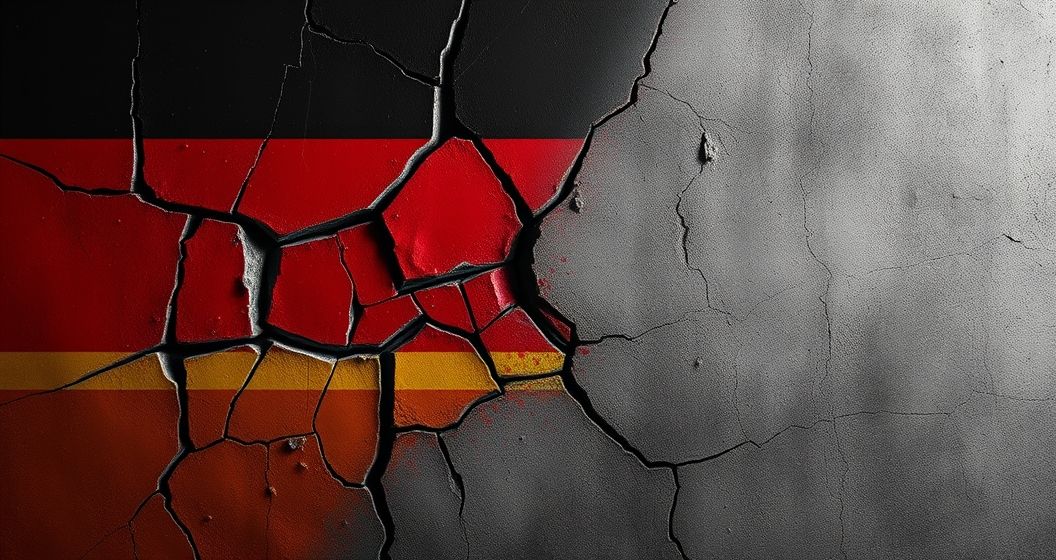
Germany’s ruling “traffic light” coalition is currently locked in a tense and critical struggle over the federal budget for the upcoming year. Chancellor Olaf Scholz’s government, composed of the Social Democrats (SPD), the Greens, and the Free Democrats (FDP), is facing significant internal divisions. The core of the conflict revolves around differing priorities for spending and a strict constitutional limit on new debt, threatening the stability of the alliance.
The Debt Brake: A Central Point of Conflict
At the heart of the disagreement is Germany’s constitutionally enshrined “debt brake” (Schuldenbremse). This rule severely restricts the federal government’s ability to take on new debt. Following years of increased spending to combat the pandemic and the energy crisis, Finance Minister Christian Lindner of the FDP is insisting on a return to strict fiscal discipline. This stance puts him directly at odds with his coalition partners, who argue that significant investments are still needed.
Competing Visions for Germany’s Future
The three parties came into government with vastly different economic philosophies, and these differences are now coming to the forefront. The budget negotiations have exposed the deep ideological rifts within the coalition.
FDP Demands Strict Fiscal Restraint
Christian Lindner and his pro-business FDP are adamant that the debt brake must be respected without any exceptions. They argue that fiscal responsibility is crucial for controlling inflation and ensuring long-term economic stability. Lindner has called for spending cuts across various ministries, rejecting calls for tax increases or any creative accounting measures to circumvent the debt limit. For the FDP, adherence to this rule is a non-negotiable principle.
SPD and Greens Push for Investment
In contrast, Chancellor Scholz’s SPD and the Green party, led by Vice-Chancellor Robert Habeck, are pushing for continued investment in social programs, climate protection, and industrial modernization. They argue that rigid austerity would harm Germany’s economic transformation and weaken social cohesion. Key ministers from these parties have warned that the proposed cuts would endanger important projects, from child support initiatives to funding for the green energy transition.
High Stakes for the Government’s Survival
The inability to find a compromise is placing immense strain on the coalition. Deadlines have already been missed, and the pressure is mounting to present a viable budget draft. Some political analysts suggest that a failure to reach an agreement could trigger a government crisis, potentially leading to a vote of no confidence or even new elections. The ongoing dispute has already taken a toll on the government’s approval ratings, which have fallen to historic lows amid public perception of infighting and indecisiveness.
The coming weeks will be a critical test of the coalition’s ability to govern. Chancellor Scholz faces the difficult task of mediating between his partners’ conflicting demands to forge a compromise that secures Germany’s finances without sacrificing essential future investments. The outcome of these negotiations will not only shape the country’s economic path but also determine the very survival of the current government.


