
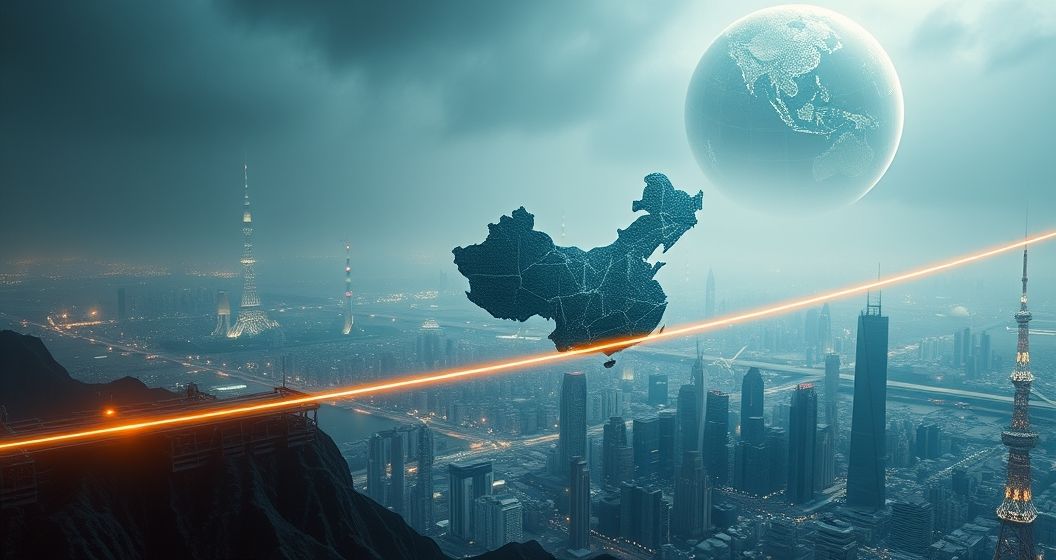
In a world grappling with shifting geopolitical landscapes and economic uncertainties, China remains a central figure, navigating a complex web of internal challenges and external pressures. From its massive economy experiencing unprecedented recalibrations to its assertive stance on the global stage, recent developments underscore the nation’s pivotal, albeit often contentious, role.
The Dragon’s Economic Rethink: More Than Just a Slowdown?
China’s economic trajectory continues to be a top global concern. While still a powerhouse, recent data paints a picture of a nation grappling with significant headwinds. The lingering property crisis, marked by the struggles of giants like Evergrande and Country Garden, casts a long shadow over consumer confidence and the financial sector. Government efforts to inject liquidity and stimulate growth, including interest rate cuts and targeted infrastructure spending, are underway, but the road to recovery appears protracted.
- Consumer Sentiment: A cautious domestic market has led to slower retail sales, prompting calls for more robust stimulus measures aimed directly at households.
- Manufacturing Output: Despite global demand fluctuations, China’s industrial base shows resilience, yet concerns about overcapacity in certain sectors persist.
- Foreign Investment: Geopolitical tensions and evolving regulatory environments have led some foreign businesses to reassess their investment strategies in China, contributing to a more complex economic outlook.
The government’s emphasis on “high-quality development” and technological self-reliance, particularly in critical areas like semiconductors, signals a strategic shift towards sustainable growth models over raw GDP expansion.
Geopolitical Chessboard: Navigating US Tensions and Regional Assertions
China’s foreign policy remains firm, characterized by a blend of diplomatic engagement and assertive posturing. The relationship with the United States is particularly complex, marked by intense competition in technology, trade, and military influence.
Key Areas of Friction:
- Taiwan Strait: Beijing continues to view Taiwan as an integral part of China, with military exercises and diplomatic pressure frequently escalating tensions across the strait. The international community watches closely, with many nations advocating for peaceful resolution.
- Tech Decoupling: The “chip war” between Washington and Beijing intensifies, with both sides imposing export controls and investing heavily in domestic semiconductor production, underscoring a broader race for technological supremacy.
- South China Sea: Recent confrontations, particularly with the Philippines, over disputed maritime features continue to raise alarms. Incidents involving water cannons and accusations of dangerous maneuvers highlight the fragile security environment in one of the world’s busiest waterways. These disputes have drawn international condemnation, urging adherence to international law.
China’s growing influence in the Global South, through initiatives like the Belt and Road Initiative (BRI), also positions it as a significant alternative to Western-led development models, further complicating the global power dynamic.
The Future Horizon: Innovation and Internal Shifts
Beyond economics and geopolitics, China is also a hotbed of innovation. Advances in artificial intelligence, renewable energy, and space exploration showcase its ambition to lead in future technologies. Domestically, ongoing social reforms and demographic shifts (like an aging population) present their own set of challenges, requiring nuanced policy responses.
As China charts its course, its decisions will inevitably reverberate globally, shaping everything from international trade flows to diplomatic relations and the future of technological advancement. The world watches, keen to understand the nuances of the Dragon’s next move.


