
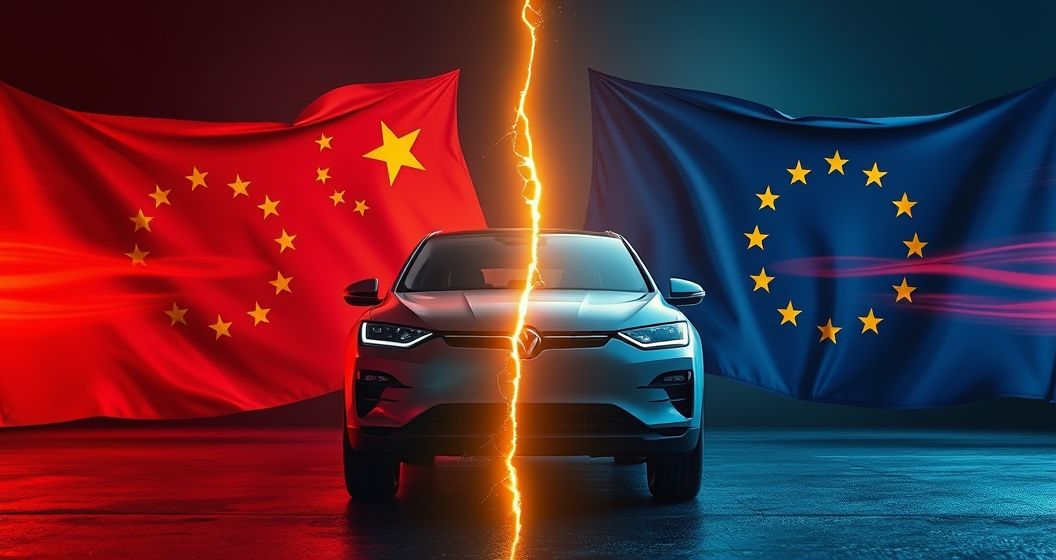
Trade tensions between Beijing and Brussels are escalating rapidly following the European Union’s decision to impose significant new tariffs on Chinese-made electric vehicles (EVs). China has strongly condemned the move, labeling it as blatant protectionism and warning that it could trigger a wider trade conflict. The situation places major European industries, particularly Germany’s auto sector, in a vulnerable position as they await Beijing’s response.
EU Cites Unfair Subsidies for Tariffs
The European Commission announced its plan to introduce provisional duties of up to 38.1% on imported Chinese EVs. This decision comes after a lengthy investigation into China’s electric vehicle industry. Officials in Brussels argue that Chinese EV manufacturers benefit from substantial and unfair government subsidies, allowing them to sell vehicles at artificially low prices in European markets. They claim these practices undermine fair competition and threaten the viability of European carmakers.
The tariffs are designed to level the playing field and protect local manufacturing jobs. However, the move has been met with criticism from various quarters, with some analysts suggesting it will ultimately harm European consumers by limiting choice and increasing prices, potentially slowing the continent’s transition to green energy.
Beijing’s Vow of Retaliation
China’s Ministry of Commerce immediately denounced the EU’s tariffs, stating they lack a factual and legal basis. Beijing has accused the EU of weaponizing trade issues and violating World Trade Organization (WTO) rules. Officials have made it clear that China will not stand by and will take “all necessary measures” to firmly defend the legitimate rights and interests of its domestic companies. This has fueled speculation about the specific form of retaliation China might pursue.
Potential Targets for Counter-Measures
While no official announcement has been made, experts believe Beijing’s retaliation could target key European exports. Potential sectors at risk include agriculture, particularly pork and dairy products, as well as the aviation industry. Furthermore, luxury automobiles imported from Europe could face new tariffs, a move that would directly impact the very automakers the EU aims to protect.
Germany Expresses Deep Concern
The EU’s decision has not received unanimous support within the bloc. Germany, a major economic power with deep trade ties to China, has voiced significant concern. Top German officials and auto executives have warned that a trade war would be disastrous. Major German car brands like Volkswagen, BMW, and Mercedes-Benz rely heavily on the Chinese market for a large portion of their global sales. They fear that Chinese counter-tariffs on their vehicles would severely damage their profitability and global standing.
This division highlights the complex economic realities facing Europe. While some nations support protective measures, others fear that isolating China will do more harm than good. The coming weeks will be critical in determining whether diplomacy can de-escalate the situation or if both sides will descend into a damaging and costly trade dispute with global consequences.


