
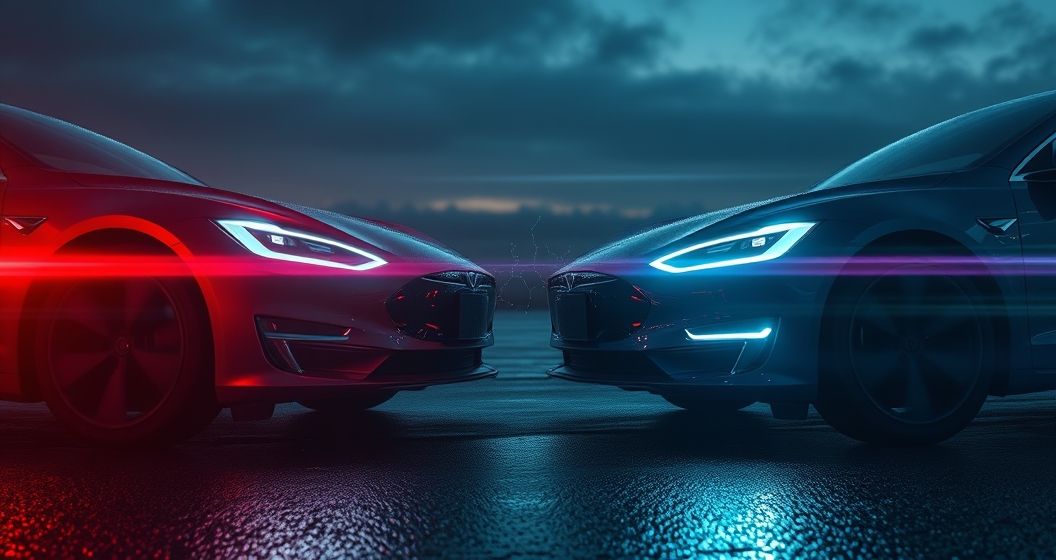
Escalating trade tensions between China and the European Union have reached a critical point following the EU’s decision to impose new tariffs on Chinese electric vehicles (EVs). Beijing has strongly condemned the move, labeling it as protectionism and vowing to take all necessary measures to protect its interests. This development marks a significant escalation in the economic dispute, raising concerns about a potential trade war that could impact global supply chains and consumers.
EU Cites Unfair Subsidies
The European Commission announced the provisional tariffs after an investigation concluded that Chinese EV manufacturers benefit from unfair government subsidies. These subsidies allegedly allow them to sell vehicles at artificially low prices, undercutting European competitors. The tariffs vary by manufacturer, with some facing duties of up to 38.1% on top of the existing 10% import tax. The EU stated that the goal is to level the playing field and protect the European automotive industry from what it considers unfair competition.
Beijing’s Swift and Firm Condemnation
China’s Ministry of Commerce responded immediately, expressing strong dissatisfaction and firm opposition. Officials in Beijing argue that the EU’s investigation lacks merit and violates international trade rules established by the World Trade Organization (WTO). They contend that the competitive advantage of China’s EV industry comes from innovation and efficient supply chains, not from state subsidies. The ministry has urged the EU to reverse its decision, warning that failure to do so will force China to implement countermeasures.
Potential Targets for Chinese Retaliation
While Beijing has not specified its retaliatory measures, analysts believe they could target key European exports. The agricultural sector, particularly pork and dairy products, is seen as a likely candidate. Additionally, luxury automobiles and high-end goods from Europe could face new tariffs or trade barriers. This strategy would aim to apply political pressure on EU member states whose industries rely heavily on the Chinese market, potentially creating divisions within the bloc over its trade policy.
Global Automakers Caught in the Crossfire
The tariffs create a complex situation for both Chinese and European automakers. Major European brands like Volkswagen and BMW, which have significant manufacturing operations in China and export vehicles globally, could be negatively affected. These companies now face the challenge of navigating higher costs and disrupted supply chains. For consumers in Europe, the decision could mean higher prices for electric vehicles and fewer affordable options, potentially slowing the transition away from fossil fuels.
The coming weeks will be crucial as both sides consider their next steps. While the EU has left the door open for a diplomatic solution, the firm stance from Beijing suggests that a period of heightened economic friction is likely. The global community is closely watching whether dialogue can de-escalate the situation or if this dispute will spiral into a broader and more damaging trade conflict.


