
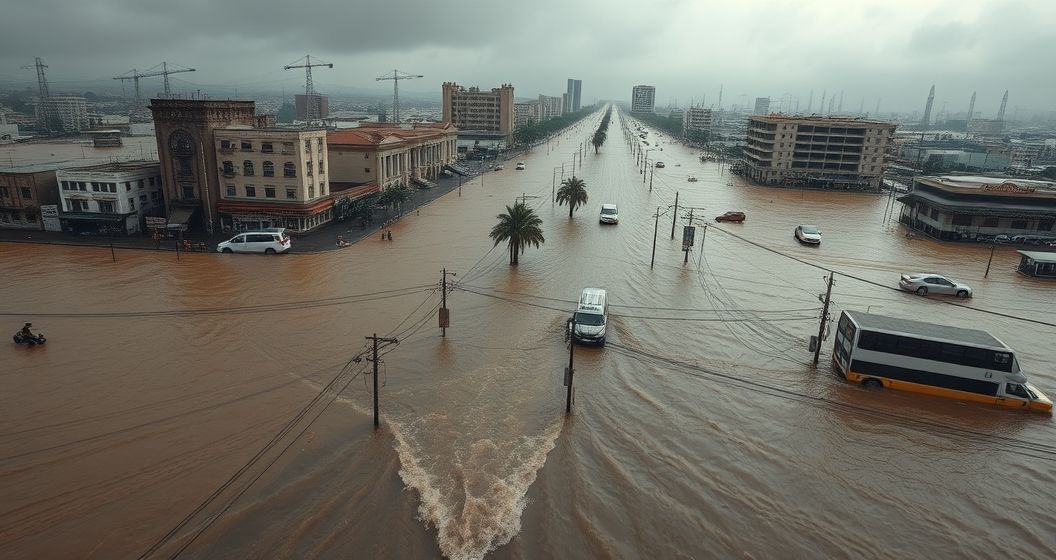
Brazil finds itself at a critical juncture, grappling with a dual challenge that tests its resilience: unprecedented natural disaster in the South and persistent economic uncertainties. The nation is mobilizing to respond to a humanitarian crisis unfolding in Rio Grande do Sul, while simultaneously navigating complex monetary policy decisions that have far-reaching implications for its citizens.
The Deluge in Rio Grande do Sul: A Catastrophe Unfolding
The southern state of Rio Grande do Sul is currently experiencing what officials are calling the worst climate disaster in its history. Weeks of relentless rainfall have led to catastrophic flooding, overwhelming rivers and infrastructure, and displacing hundreds of thousands of people. The scale of destruction is immense, with entire towns submerged, roads impassable, and essential services like electricity and water severely disrupted. The human toll is heartbreaking, with a rising number of fatalities and many more still missing, prompting a nationwide outpouring of solidarity and aid.
Emergency response efforts are in full swing, with federal, state, and municipal authorities working alongside volunteers to rescue stranded residents and provide vital supplies. Helicopters and boats are the primary means of transport in many affected areas, highlighting the extreme conditions. The immediate focus remains on saving lives and ensuring basic necessities reach those most in need. However, the long-term challenge of reconstruction and recovery for one of Brazil’s most productive agricultural regions will be monumental.
Key Impacts of the Floods:
- Mass Displacement: Hundreds of thousands forced from their homes, seeking refuge in temporary shelters.
- Infrastructure Damage: Bridges collapsed, roads destroyed, communication lines severed, isolating communities.
- Economic Blow: Significant losses to agriculture, industry, and commerce, particularly in the critical grain-producing region, impacting national supply chains.
- Humanitarian Crisis: Critical shortages of clean water, food, and medical supplies in isolated areas, posing severe health risks.
Economic Headwinds: The Central Bank’s Stance
Amidst the natural disaster, Brazil’s economic landscape continues to be a focal point of debate and concern. The Central Bank of Brazil recently made a closely watched decision regarding the country’s benchmark interest rate, the SELIC rate. While there was an expectation of continued cuts, the pace and magnitude have been a subject of intense speculation, reflecting a cautious approach to managing persistent inflation and market expectations.
The maintenance or slight adjustment of the SELIC rate has significant ripple effects across the economy. A higher rate generally aims to curb inflation by making credit more expensive, thus reducing consumer spending and investment. However, it also has the potential to slow economic growth, which is a constant concern for a developing economy. Businesses face higher borrowing costs, and consumers see reduced purchasing power for big-ticket items like homes and vehicles. This delicate balancing act underscores the complex challenges policymakers face in fostering economic stability while striving for sustainable growth in a dynamic global environment.
Implications for the Brazilian Economy:
- Inflation Control: The primary goal of a higher SELIC rate is to keep rising prices in check, protecting purchasing power.
- Investment Climate: Higher interest rates can deter both domestic and foreign investment, potentially slowing job creation and industrial expansion.
- Consumer Spending: Directly affects mortgages, car loans, and general credit availability, impacting the average Brazilian’s financial decisions.
- Government Debt: Increases the cost of servicing public debt, placing additional strain on the national budget.
A Nation Under Pressure: Resilience and Future Outlook
These two major events – the devastating floods and the ongoing economic adjustments – collectively present a formidable test for Brazil. The immediate priority is undoubtedly the humanitarian crisis in Rio Grande do Sul, demanding swift and coordinated action to save lives and alleviate suffering. Yet, the nation cannot ignore the underlying economic currents that shape its future. The government’s ability to effectively manage both crises will be crucial in determining public confidence and the path to recovery.
As Brazilians unite in solidarity for their compatriots in the South, there’s also a heightened awareness of the broader challenges. Discussions around climate change adaptation, infrastructure resilience, and sustainable economic policies are gaining renewed urgency. The coming months will reveal much about Brazil’s capacity to overcome adversity, demonstrating its strength and commitment to progress amidst profound difficulties.


