
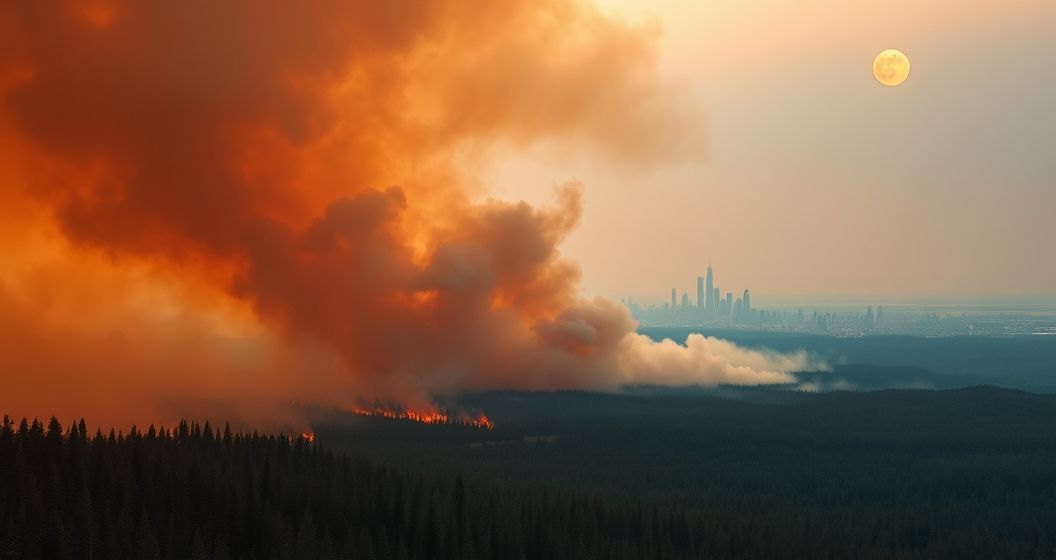
Canada is currently grappling with an unprecedented wildfire season, leading to mass evacuations and widespread air quality alerts across multiple provinces. The most severely affected regions include British Columbia and the Northwest Territories, where states of emergency have been declared. Authorities are urging residents in high-risk zones to remain vigilant and follow official guidance as the situation continues to evolve rapidly, creating a national crisis with significant environmental and public health implications.
Widespread Evacuations in Key Regions
The intensity of the fires has forced tens of thousands of people from their homes. In the Northwest Territories, the capital city of Yellowknife was placed under an evacuation order, prompting a large-scale exodus of its nearly 20,000 residents. Similarly, in British Columbia, the city of Kelowna and surrounding areas in the Okanagan Valley are under threat from aggressive blazes, leading to thousands more being evacuated. The fires have overwhelmed local resources, requiring federal assistance and international support to battle the flames.
Emergency officials have established evacuation routes and reception centers to assist displaced individuals and families. The logistical challenge is immense, with highways closed intermittently and air travel becoming a critical lifeline for moving people out of danger. The primary focus remains on preserving life, with property protection secondary to ensuring the safety of all residents in the path of the fires.
Air Quality Alerts Affect Millions
Beyond the immediate fire zones, thick smoke has blanketed vast areas of the country, triggering special air quality statements from Environment Canada. Provinces from British Columbia to Ontario have experienced hazy skies and a sharp decline in air quality. The fine particulate matter in wildfire smoke poses a significant health risk, especially to vulnerable populations such as children, the elderly, and individuals with pre-existing respiratory or cardiovascular conditions.
Cities hundreds of kilometers away from the fires have recorded dangerously high levels on the Air Quality Health Index (AQHI). Residents in affected areas are advised to limit outdoor activities, keep windows and doors closed, and use air purifiers with HEPA filters if possible. These alerts underscore the far-reaching impact of the wildfires, affecting the daily lives of millions of Canadians who are not directly threatened by the flames.
Health Risks and Official Guidance
Health authorities are emphasizing the serious risks associated with inhaling wildfire smoke. Common symptoms include coughing, throat irritation, headaches, and shortness of breath. For those with conditions like asthma or chronic obstructive pulmonary disease (COPD), exposure can lead to severe complications. Officials are recommending that anyone experiencing difficulty breathing or other severe symptoms seek medical attention immediately.
The government and emergency response teams are providing continuous updates and guidance through official channels. Residents are urged to have an emergency kit ready and to stay informed about the latest evacuation orders and air quality advisories. The ongoing crisis serves as a stark reminder of the growing threat posed by climate change and the increasing frequency of extreme weather events across the nation.

