
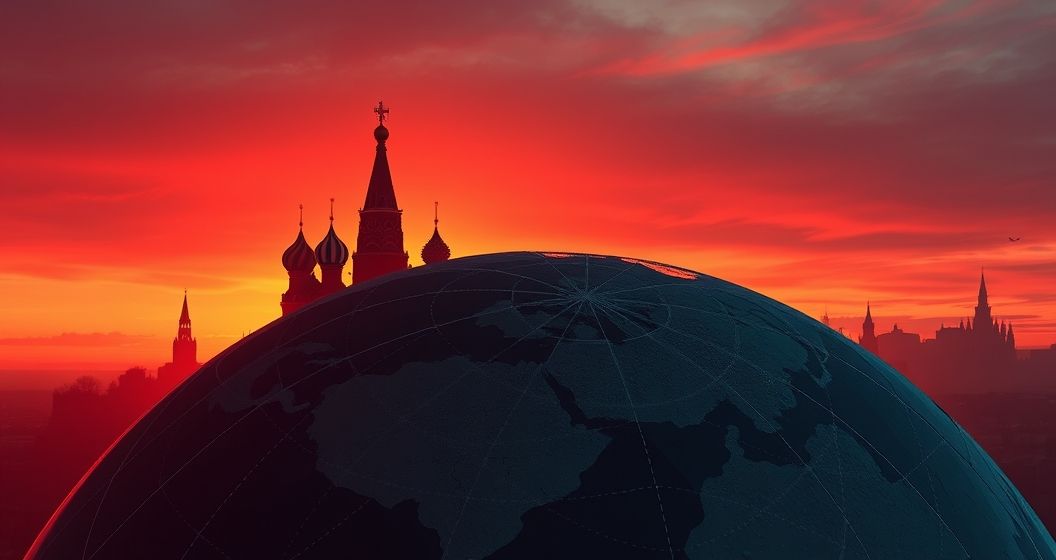
As the global spotlight continues to intensely scrutinize events unfolding within and around Russia, the nation remains a focal point for a complex interplay of geopolitical shifts, economic challenges, and ongoing conflict. Latest reports from prominent news outlets underscore a dynamic landscape, where domestic policies, military strategies, and international relations are constantly evolving. Understanding these multifaceted developments is crucial for anyone tracking global affairs.
The Shifting Sands of the Ukraine Conflict
The conflict in Ukraine continues to dominate headlines concerning Russia, with recent developments indicating a sustained and intense period of military activity. Reports frequently highlight ongoing front-line engagements, particularly in the eastern and southern regions, where both sides are vying for strategic control. There’s significant attention paid to the flow of Western military aid to Ukraine, which Russia consistently criticizes as an escalation, directly impacting the conflict’s trajectory. Russia, for its part, continues to emphasize its defensive posture and the protection of its perceived national interests.
Recent intelligence also points to an increase in drone attacks and counter-attacks, underscoring the technologically evolving nature of modern warfare. International bodies and governments frequently issue statements regarding the conflict, reflecting a deeply polarized global opinion. The humanitarian toll remains a critical aspect, with ongoing discussions around civilian protection and potential peace initiatives, though concrete breakthroughs appear distant. These are not merely daily skirmishes but strategic maneuvers that could redefine regional power dynamics.
Russia’s Economic Tightrope Walk
Despite stringent international sanctions, Russia’s economy has demonstrated a surprising degree of resilience, though not without significant structural adjustments and challenges. The Russian Central Bank’s measures, coupled with high energy prices for a period, helped stabilize the ruble and mitigate some immediate impacts. However, the long-term effects of sanctions are becoming increasingly apparent, pushing Russia to pivot towards new trade partners and internal market development.
Key economic indicators often discussed include inflation rates, which have remained a persistent concern, and the ongoing efforts to diversify the economy away from its heavy reliance on hydrocarbon exports. There’s a noticeable increase in trade with Asian nations, particularly China and India, as Russia seeks alternative markets for its energy resources and imports. The government’s focus is on bolstering domestic production and fostering technological independence, a strategy dubbed “import substitution.” This economic transformation is a crucial element of Russia’s broader strategic autonomy, aiming to insulate the nation from external pressures and forge new economic pathways.
Navigating a New World Order: Russia’s Diplomacy
In foreign policy, Russia is actively reshaping its diplomatic outreach, solidifying ties with non-Western blocs and countries while its relations with traditional Western powers remain strained. The emphasis is increasingly on multilateral platforms like BRICS (Brazil, Russia, India, China, South Africa) and the Shanghai Cooperation Organization (SCO), where Russia advocates for a multipolar world order. Recent engagements with African and Latin American nations highlight a concerted effort to expand its sphere of influence and challenge the existing unipolar global structure.
Russian officials frequently articulate their vision for global security and economic cooperation, often contrasting it with what they perceive as Western unilateralism. Discussions around energy security, regional conflicts, and international law are central to these diplomatic efforts. Moscow’s active participation in various international forums aims to project an image of a significant global player, capable of fostering alternative alliances and contributing to a rebalanced world. This strategic repositioning reflects a profound shift in Russia’s foreign policy objectives, moving decisively towards building a network of like-minded partners outside the traditional Western orbit.
In essence, Russia is navigating a period of intense transformation, marked by ongoing conflict, economic reorientation, and a dramatic shift in its international posture. The latest headlines consistently reflect a nation determined to assert its interests on the global stage, even as it faces formidable challenges.


