
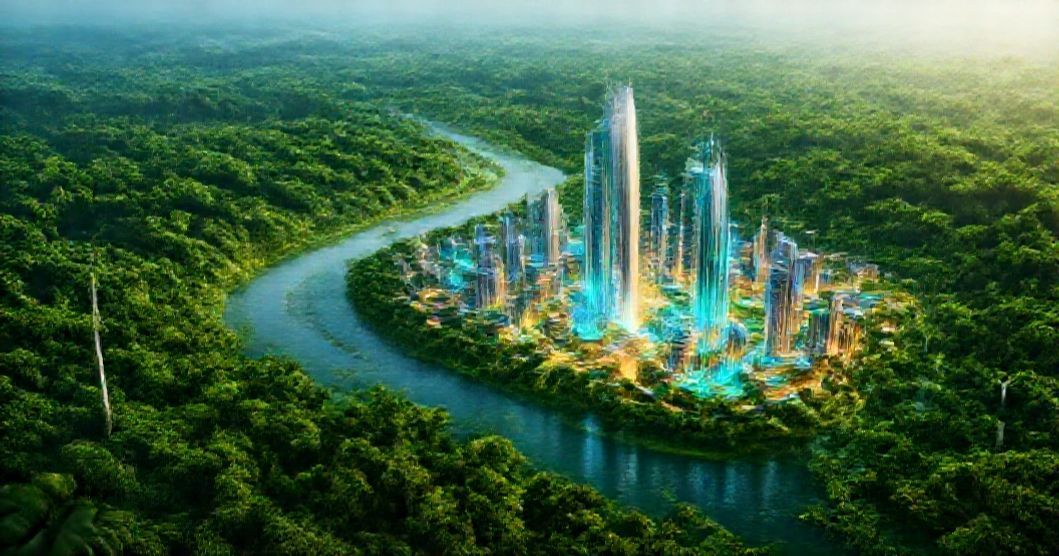
Brazil, a colossal South American nation, continues to captivate global attention with its dynamic interplay of economic reforms, environmental challenges, and evolving political narratives. From the bustling financial hubs of São Paulo to the vast, critical expanse of the Amazon rainforest, the country is a hotbed of significant developments that often ripple across the international stage. Recent weeks have seen a surge in discussions surrounding President Lula’s administration’s strategic economic maneuvers and the persistent, urgent calls for greater environmental protection, particularly concerning the Amazon.
Unpacking Brazil’s Economic Resurgence
The Brazilian economy is currently navigating a complex yet hopeful trajectory. Latest reports indicate a resilience driven by a combination of robust agricultural exports and cautious but positive investor sentiment. The Central Bank of Brazil recently hinted at potential shifts in its benchmark interest rate, a move closely watched by both domestic businesses and international investors eager for signs of sustained growth and inflation control. Government efforts are reportedly focused on a comprehensive tax reform, aiming to simplify the nation’s notoriously intricate tax system and foster a more attractive environment for both local and foreign direct investment. However, challenges persist, including managing public debt and ensuring inclusive growth that benefits all segments of Brazilian society. Analysts are divided on the immediate impact of these reforms, with some predicting a swift upturn and others counseling patience as the structural changes take hold.
The Amazon Frontline: A Battle for the Planet’s Lungs
The Amazon rainforest remains at the heart of global environmental discourse, and recent data from Brazil paints a mixed picture. While initial reports from the government’s space research agency, INPE, suggested a notable reduction in deforestation rates compared to previous years, environmental organizations continue to highlight critical areas of concern. Illegal mining, logging, and agricultural expansion remain potent threats to the biome’s biodiversity and indigenous communities. The Lula administration has reiterated its commitment to stricter enforcement and international cooperation to combat these destructive practices. New initiatives are being launched to monitor vast stretches of the forest using advanced satellite technology, coupled with increased ground operations by environmental agencies. The debate extends beyond deforestation, encompassing the impacts of climate change, such as droughts in some regions and unprecedented floods in others, further stressing the delicate ecosystem and its inhabitants.
Political Currents and Social Debates
On the political front, the Brazilian Congress is actively engaged in debates over various legislative proposals. Beyond the economic reforms, discussions around public safety, education, and healthcare continue to dominate headlines. Local municipal elections are on the horizon, adding another layer of political maneuvering and local policy focus. The government faces the perennial challenge of balancing diverse regional interests with national objectives. Socially, Brazil continues to grapple with issues of inequality and urban violence, prompting calls for more effective public policies and community engagement. Recent protests in major cities have brought attention to specific local grievances, underscoring the vibrant and often vocal nature of Brazilian civil society.
In summary, Brazil is a nation in constant motion, tackling significant economic overhauls, battling critical environmental threats, and navigating complex political and social landscapes. The coming months are set to be pivotal in determining the trajectory of these ongoing developments, with implications that extend far beyond its borders.


