
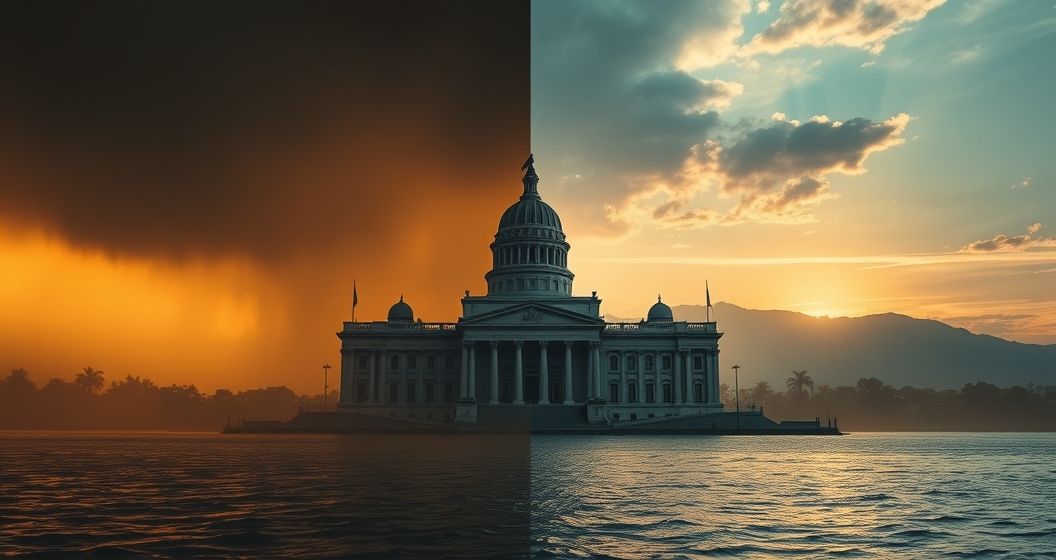
Brazil is currently navigating a complex landscape defined by significant economic policy debates and the immense challenge of recovering from a historic natural disaster. The federal government faces pressure to maintain fiscal stability while simultaneously funding the massive reconstruction efforts in the southern state of Rio Grande do Sul, creating a period of intense political and social negotiation.
Navigating Fiscal Tensions in Brasília
A recent focus of economic debate has been a provisional measure proposed by the government to alter the use of PIS/Cofins tax credits. The measure aimed to limit how companies could use these credits, intending to increase government revenue and help balance the national budget. This proposal, however, was met with immediate and strong opposition from various influential sectors of the economy, including industry, agribusiness, and services.
Business leaders argued that the change would increase their tax burden, raise operational costs, and ultimately impact consumer prices, potentially fueling inflation. The widespread backlash created significant political friction, with congressional leaders quickly signaling that the measure would face major hurdles in being approved. The intense pushback has forced the government to reconsider its strategy for boosting revenue, highlighting the delicate balance between fiscal objectives and economic stability.
The Long Road to Recovery in the South
While economic debates unfold in the capital, the state of Rio Grande do Sul continues to grapple with the devastating aftermath of recent historic floods. The focus has shifted from immediate rescue operations to the monumental task of reconstruction. The disaster has severely impacted the state’s infrastructure, destroying homes, businesses, roads, and bridges, and causing extensive damage to its powerful agricultural sector, which is a cornerstone of the national economy.
The federal government has announced substantial aid packages to support the affected population and rebuild the state. However, the scale of the destruction presents enormous logistical and financial challenges. Ensuring that aid reaches those who need it most and that rebuilding efforts are efficient and sustainable is a critical priority. The recovery is expected to be a long-term process, requiring sustained investment and coordination between federal, state, and local authorities.
Interconnected National Challenges
These two major issues—fiscal policy and disaster recovery—are deeply interconnected. The immense cost of rebuilding Rio Grande do Sul adds significant pressure to the government’s fiscal accounts. This heightened need for public spending makes the search for new sources of revenue, like the controversial PIS/Cofins measure, even more urgent from the government’s perspective. However, the economic impact of the floods also makes the broader economy more fragile, increasing resistance to any new tax burdens.
Ultimately, Brazil finds itself at a critical juncture. The nation’s leadership must find a path forward that addresses the immediate humanitarian crisis in the south without destabilizing the national economy. The coming weeks will likely involve intense negotiations to find solutions that are both politically viable and economically sound, shaping the country’s trajectory for the near future.


