
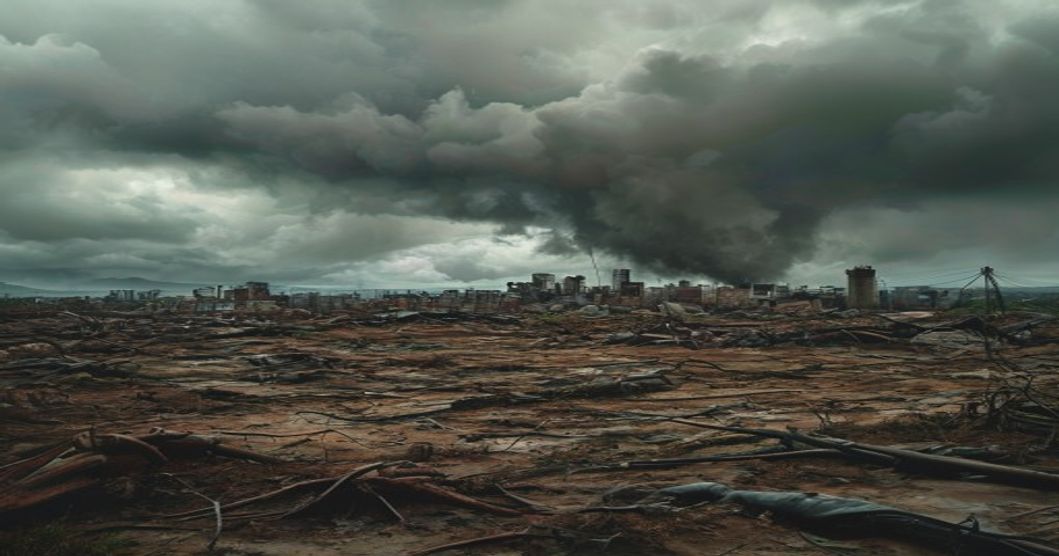
Brazil, a nation renowned for its vibrant culture and vast landscapes, is currently navigating a complex web of challenges, from unprecedented natural disasters to critical economic policy decisions. The latest reports from across the country paint a picture of resilience amidst adversity, with urgent humanitarian efforts underway and a watchful eye on the nation’s financial stability.
Unprecedented Floods Ravage Rio Grande do Sul
The southern state of Rio Grande do Sul has been at the epicenter of a humanitarian crisis, grappling with catastrophic floods that have displaced hundreds of thousands and claimed numerous lives. Weeks of relentless rainfall led to rivers overflowing, submerging entire towns, and destroying vital infrastructure. The sheer scale of the disaster has prompted an outpouring of national and international support, but the road to recovery remains long and arduous.
Rescue operations are still ongoing in some isolated areas, while focus is shifting towards providing shelter, food, and medical assistance to the more than 600,000 displaced individuals. The state government, in conjunction with federal agencies, is coordinating efforts to rebuild homes, repair roads, and restore essential services. Experts are increasingly linking the intensity and frequency of these events to climate change, igniting vital discussions within Brazil about environmental policies and preparedness for future extreme weather patterns. The economic impact on the agricultural powerhouse of Rio Grande do Sul is also substantial, with significant losses expected in key sectors.
Brazil’s Economic Tightrope Walk: Interest Rates and Inflation
Simultaneously, Brazil’s economic landscape is under intense scrutiny. The Central Bank of Brazil recently made headlines with its decision regarding the benchmark Selic interest rate. While the country has seen a gradual easing of rates, the pace of reduction has been a point of contention among economists and policymakers. The bank’s primary objective remains bringing inflation under control, a task made more challenging by global economic uncertainties and domestic fiscal concerns.
High interest rates, while intended to cool inflationary pressures, can stifle economic growth by making credit more expensive for businesses and consumers. This delicate balancing act affects everything from investment decisions to household budgets. Recent data indicates a mixed bag, with some sectors showing signs of recovery while others grapple with the cost of capital. Analysts are closely watching future rate decisions, as they will significantly influence Brazil’s trajectory towards sustainable economic stability and job creation. The government’s fiscal policies and efforts to balance the budget are also crucial factors in shaping the economic outlook.
Government Response and Future Outlook Amidst Dual Crises
The federal government, led by President Luiz Inácio Lula da Silva, faces the formidable task of addressing both the immediate aftermath of the floods and the ongoing economic challenges. Significant relief packages and reconstruction funds are being allocated to Rio Grande do Sul, alongside efforts to streamline aid delivery. Politically, the administration’s effectiveness in managing these crises is under intense public and parliamentary scrutiny.
Looking ahead, Brazil’s path is defined by its capacity to implement robust disaster preparedness strategies, foster sustainable economic growth, and address the underlying social inequalities exacerbated by such events. The current period is a critical test of the nation’s resilience and its leadership’s ability to navigate complex domestic and international currents, ensuring a stable and prosperous future for its diverse population.


