
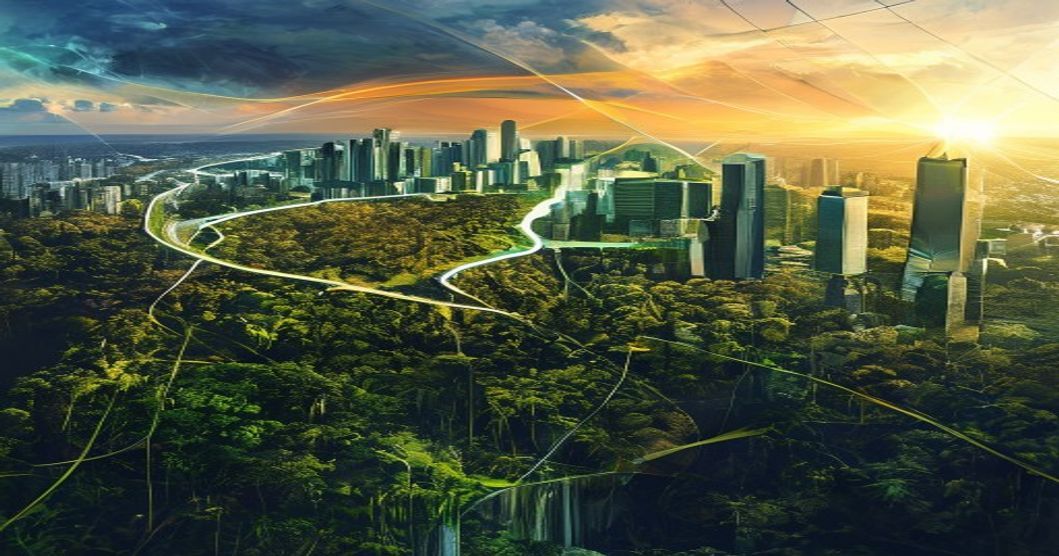
Brazil, a South American powerhouse, continues to capture global attention with its dynamic shifts across politics, economy, and environmental policy. Recent developments highlight the nation’s complex balancing act between economic stability, social progress, and its crucial role in global climate initiatives. From the corridors of Brasília to the depths of the Amazon rainforest, the headlines paint a picture of a country in constant motion, tackling domestic challenges while asserting its influence on the international stage.
Economic Jitters and Interest Rate Debates
The Brazilian economy remains a focal point, with discussions around inflation and interest rates dominating financial news. The country’s Central Bank, a key player in monetary policy, frequently faces scrutiny over its decisions regarding the benchmark Selic rate. Recent data indicates persistent inflationary pressures, prompting ongoing debates about the pace and timing of potential rate cuts. Businesses and consumers alike are keenly watching these developments, as they directly impact borrowing costs, investment decisions, and overall market confidence. Economists are divided, with some advocating for more aggressive easing to stimulate growth, while others prioritize fiscal discipline to curb inflation effectively. The government’s fiscal targets and spending plans are also under intense review, adding another layer of complexity to the economic outlook.
Lula’s Administration Navigates Political Currents
President Luiz Inácio Lula da Silva’s administration continues its efforts to consolidate power and implement its ambitious agenda. Navigating a diverse and often fractious Congress presents a constant challenge. Key legislative proposals, ranging from tax reforms to social programs, often require delicate negotiations and political maneuvering. Recent headlines have focused on legislative battles aimed at securing parliamentary support for critical reforms. Lula’s foreign policy initiatives, particularly his emphasis on South-South cooperation and a more multipolar world order, have also garnered significant international attention. Domestically, the government is striving to address issues such as poverty reduction and infrastructure development, often facing pushback from opposition parties and various interest groups.
The Amazon: A Battle for the Planet’s Lungs
The fate of the Amazon rainforest remains a critical global concern, and Brazil is at the epicenter of efforts to combat deforestation and promote sustainable development. The Lula government has reiterated its commitment to stricter environmental enforcement and reversing the damage seen in previous years. News outlets frequently report on the latest deforestation figures, the effectiveness of anti-logging operations, and indigenous rights advocacy. International partnerships and funding are crucial in these endeavors, with many countries watching Brazil’s progress closely as it prepares to host major climate events like COP30. Challenges persist, including illegal mining and land grabbing, but there’s a renewed sense of urgency and international collaboration to protect this vital ecosystem.
Social Dynamics and Urban Security
Beyond the major political and economic headlines, Brazil grapples with significant social issues, particularly in its bustling urban centers. Public security remains a perennial concern, with major cities working to combat crime and improve citizen safety. News reports often detail localized security operations, efforts to reform police forces, and community initiatives aimed at fostering peace. Furthermore, discussions around social inequality, access to healthcare, and educational reforms are consistently present in the national dialogue. Brazil’s rich cultural tapestry also features prominently, with major events and festivals often making headlines, showcasing the vibrant spirit of its people amidst ongoing challenges.
As Brazil continues its trajectory, its actions and decisions resonate far beyond its borders, influencing regional stability, global markets, and the collective fight against climate change. The interplay of its robust democracy, vast natural resources, and diverse population ensures that Brazil will remain a key player on the global stage, with each passing day bringing new developments to watch.


