
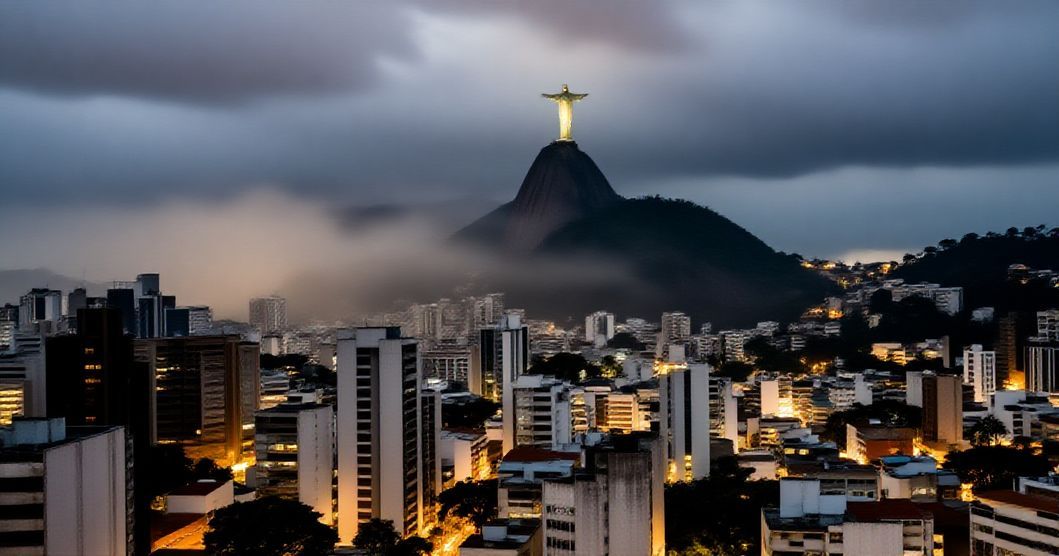
Brazil, a colossal nation of vibrant culture and immense natural beauty, is currently navigating a complex web of political, economic, and environmental challenges. Recent headlines from across the country paint a dynamic picture, with the government grappling with crucial reforms, the economy facing persistent pressures, and critical environmental initiatives taking center stage. Understanding these latest developments is key to grasping the trajectory of South America’s largest nation.
Political Tensions and Fiscal Maneuvers Heat Up in Brasília
The political landscape in Brazil remains intensely active, as President Luiz Inácio Lula da Silva’s administration continues to push its agenda amidst significant parliamentary scrutiny. One of the most pressing issues is the ongoing debate surrounding the country’s new fiscal framework. This crucial legislation aims to balance government spending with revenue collection, a delicate act vital for long-term economic stability. While the government emphasizes the need for social programs and investment, opposition and market analysts alike are scrutinizing the feasibility and potential impact of these policies on public debt. The relationship between the Executive and Legislative branches is under constant negotiation, with key votes often requiring intricate political maneuvering. Reports suggest a renewed focus on administrative reforms and tax simplification to boost efficiency and attract investment, though progress remains slow amid competing interests.
Economic Outlook: Inflation, Interest Rates, and Growth Prospects
Economically, Brazil is experiencing a period of cautious optimism tempered by persistent challenges. The Central Bank’s monetary policy remains a hot topic, with ongoing discussions about the pace of interest rate cuts. While inflation has shown signs of moderation, global economic uncertainties and domestic fiscal concerns continue to influence decisions. Businesses and consumers are closely watching these developments, as borrowing costs directly impact investment and purchasing power. Recent data indicates a mixed bag for the labor market, with some sectors showing resilience while others face headwinds. Analysts are revising their growth projections, often highlighting the importance of structural reforms and increased foreign investment to unlock Brazil’s full economic potential. The commodities market, particularly for agricultural products and minerals, continues to play a significant role in Brazil’s export performance and overall economic health.
Amazon’s Future: Conservation Efforts and Global Climate Role
On the environmental front, Brazil is once again at the forefront of global attention, particularly concerning the Amazon rainforest. The government has reiterated its commitment to combating deforestation and illegal mining, with recent operations yielding some positive results in specific areas. However, the scale of the challenge remains immense, requiring sustained effort and international cooperation. Discussions are intensifying around sustainable development models for the Amazon region, aiming to balance economic needs with ecological preservation. Brazil’s role in global climate initiatives is also gaining prominence, especially with the upcoming COP30 climate summit slated for Belém. This event is expected to significantly spotlight Brazil’s leadership and responsibilities in addressing climate change and protecting biodiversity. The interplay between environmental policy and indigenous rights is also a recurring theme in the national discourse.
In summary, Brazil is navigating a period of significant transformation. From the intricate political dances in Brasília to the critical economic decisions impacting everyday Brazilians and the monumental task of preserving the Amazon, the nation’s journey is one of constant evolution. Keeping an eye on these developments offers crucial insights into a country that continues to shape regional and global dynamics.


