
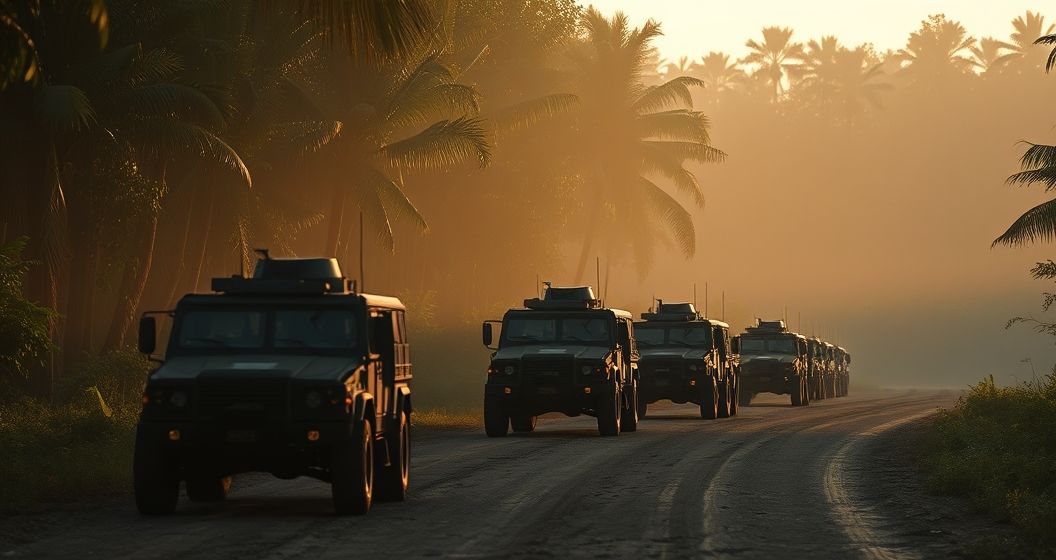
The Brazilian government has intensified its presence along the border with Venezuela, launching a major security operation in the state of Roraima. This move addresses a deepening humanitarian crisis and the surge of illegal activities, particularly illicit mining, which has severely impacted indigenous communities and fueled regional instability. The operation aims to restore state control and provide critical aid to a region overwhelmed by violence and environmental destruction.
Escalating Security and Humanitarian Crisis
The primary catalyst for the intervention is the uncontrolled expansion of illegal mining, known locally as garimpo, within protected lands, most notably the Yanomami Indigenous Territory. These illicit operations are frequently controlled by heavily armed organized crime factions, leading to violent conflicts, deforestation, and the contamination of rivers with mercury. The environmental devastation has crippled local ecosystems and food sources, contributing to a public health emergency.
Indigenous communities, especially the Yanomami, have faced a dire situation characterized by malnutrition, disease, and direct threats from armed miners. Reports from health officials and non-governmental organizations have described a humanitarian catastrophe, prompting a more forceful response from federal authorities. The goal is to dismantle the criminal networks that have established a firm grip on this remote and vast territory.
A Coordinated Government Response
In response, Brazil has mobilized a significant contingent of security personnel, including the Federal Police, the armed forces, and agents from the environmental protection agency, IBAMA. The operation is designed to be comprehensive, targeting not only the miners on the ground but also the logistical and financial networks that support their activities. This includes blocking illegal supply routes by air and river and destroying machinery and makeshift airstrips.
The government has declared a state of emergency in the region to streamline the delivery of food, medicine, and medical personnel to isolated indigenous villages. The dual focus of the mission is to re-establish law and order while simultaneously addressing the urgent humanitarian needs of the local population. This represents one of the most significant state interventions in the Amazon region in recent years.
Logistical and Strategic Challenges
Executing this operation presents immense logistical challenges due to the sheer size and difficult terrain of the Amazon rainforest. The area is remote, with limited infrastructure, making it difficult to move personnel and supplies. Furthermore, the illegal miners are often well-equipped and familiar with the jungle environment, creating a complex and dangerous security situation for the deployed forces. The success of the mission depends on sustained, long-term commitment.
Broader Implications for the Region
This crackdown signals a major shift in Brazil’s policy toward environmental crime and the protection of indigenous rights in the Amazon. The operation aims to send a clear message that impunity for illegal activities in protected areas will no longer be tolerated. The long-term success of this intervention will have significant implications for regional stability, environmental conservation, and Brazil’s international standing on climate and human rights issues.
Ultimately, the government’s decisive action in Roraima is a high-stakes effort to reclaim sovereign territory from the control of criminal organizations. The operation seeks to restore the rule of law, protect its most vulnerable citizens, and begin the long process of reversing years of environmental and social damage in a critical part of the Amazon.


