
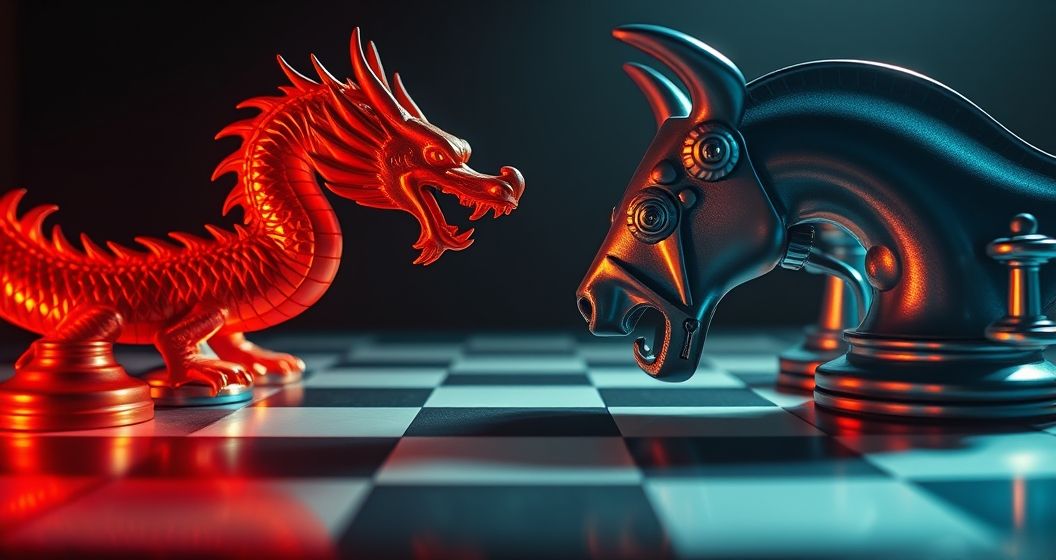
Tensions between Beijing and Brussels are escalating following the European Union’s decision to impose provisional tariffs on Chinese electric vehicles (EVs). China has strongly condemned the move as protectionist and has indicated it is prepared to respond with its own measures. The dispute threatens to disrupt a critical trade relationship and could have significant ripple effects across global supply chains, particularly within the automotive and agricultural sectors.
The Catalyst: Tariffs on Electric Vehicles
The European Commission’s action stems from an investigation into what it calls “unfair subsidization” of China’s EV industry. Officials in Brussels argue that significant state support has allowed Chinese manufacturers to sell vehicles at artificially low prices in Europe, creating an uneven playing field for local automakers. The proposed tariffs, which vary by manufacturer, are intended to counteract this perceived advantage and protect the European automotive industry.
The investigation concluded that the entire EV supply chain in China benefits from government subsidies, giving its companies a competitive edge. European leaders have stressed that the goal is not to close the market but to ensure fair competition. However, the decision has been met with criticism not only from Beijing but also from some major European car companies that have deep manufacturing and sales ties to the Chinese market.
China’s Measured but Firm Response
In response, China’s Ministry of Commerce has initiated its own anti-dumping investigation into certain pork products imported from the European Union. This move is widely seen as a direct retaliation against the EV tariffs, targeting a key European agricultural export. The investigation will focus on products like fresh, cold, and frozen pork, which are significant exports for countries such as Spain, France, and Denmark. The announcement has already caused concern within Europe’s agricultural industry.
Potential for Further Escalation
Beyond agriculture, there is speculation that Beijing could target other European goods. Analysts point to luxury goods, dairy products, and automobiles with large-engine capacities as potential targets for future tariffs or trade barriers. This strategic approach aims to apply pressure on specific EU member states that were influential in the tariff decision, potentially creating divisions within the bloc. Beijing maintains that it prefers dialogue but will take all necessary measures to defend the interests of its companies.
Navigating a Path Away from Conflict
The current situation places both sides in a precarious position. A full-scale trade war would be economically damaging for everyone involved. European companies, especially German automakers, rely heavily on the Chinese market for a significant portion of their global sales and profits. A prolonged dispute could jeopardize their operations and market access. For now, diplomatic channels remain open, with leaders on both sides expressing a desire for negotiation to resolve the friction before the provisional tariffs become permanent.
