
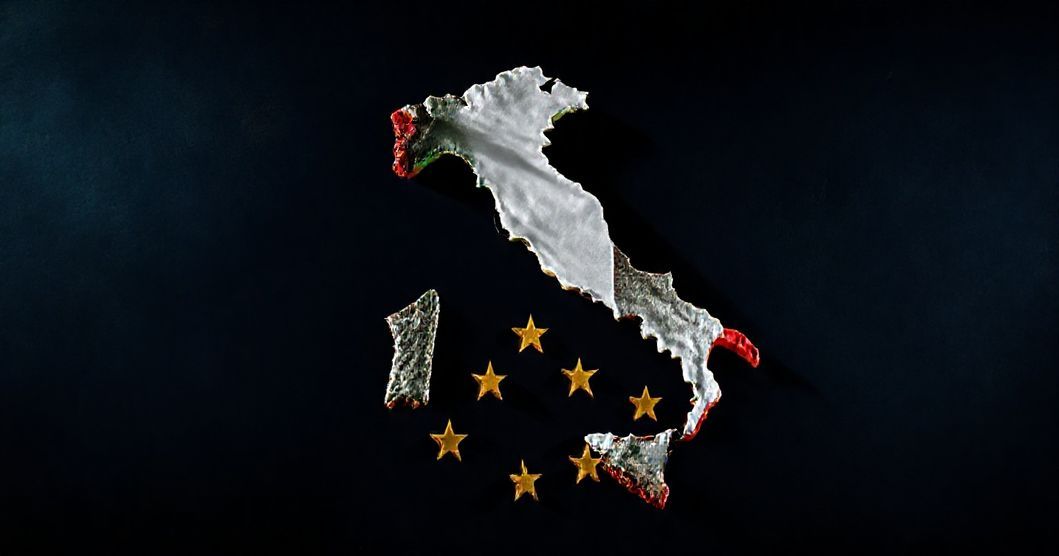
Italy finds itself at a pivotal juncture following the recent European Parliament elections, which have not only reshaped the national political landscape but also redefined the country’s potential influence on the continent. The resounding success of Prime Minister Giorgia Meloni’s Fratelli d’Italia (Brothers of Italy) party has sent ripples through both domestic and European capitals, solidifying her government’s position at home while positioning Italy as a key player in the upcoming EU institutional architecture.
Meloni’s Electoral Surge and Domestic Impact
The **European elections delivered a clear mandate** for Giorgia Meloni, with Fratelli d’Italia emerging as the strongest party in Italy. This outcome significantly strengthens her coalition government, providing a fresh injection of political capital that could be crucial for tackling domestic reforms and navigating complex economic challenges. The robust performance effectively silences, at least for now, any immediate threats to the government’s stability, allowing Meloni to press forward with her agenda.
The election results have also forced a re-evaluation among opposition parties. The Democratic Party (PD) showed resilience, but the populist Five Star Movement (M5S) faced significant setbacks. This dynamic suggests a continued fragmentation on the left, which further underscores Meloni’s current dominance. The coming months will likely see intense strategizing within the opposition to find a cohesive path forward against a strengthened conservative bloc.
Italy’s Shifting Role on the European Stage
With a reinforced mandate, Italy, under Meloni’s leadership, is poised to exert **greater influence within the European Union**. Her party’s alignment with conservative and right-wing forces across Europe suggests a potential shift in the balance of power within the next European Parliament. This could see Italy playing a more assertive role in key policy debates, particularly concerning migration, economic governance, and the future direction of EU integration.
The formation of the next European Commission will be a critical process, and Italy’s position will be closely watched. Meloni’s ability to forge alliances with like-minded leaders will be instrumental in advocating for Italy’s national interests and potentially shaping the EU’s strategic agenda for the next five years. Areas like defense cooperation and energy security are also likely to feature prominently in Italy’s European discourse, reflecting broader geopolitical shifts.
Economic Challenges and the PNRR Imperative
Despite the political triumph, Italy continues to grapple with **significant economic challenges**. The implementation of the National Recovery and Resilience Plan (PNRR), funded by the EU’s post-pandemic recovery instrument, remains a top priority. Meeting the agreed-upon milestones and targets is essential for unlocking crucial tranches of funds that are vital for modernizing Italy’s infrastructure, digitalizing its public administration, and fostering green transition initiatives.
Discussions surrounding the upcoming budget law are already underway, with the government facing the delicate balancing act of managing public debt while stimulating economic growth. Inflation, though showing signs of easing, remains a concern for households and businesses. The interplay between political stability, investor confidence, and effective economic policy will be paramount for Italy to maintain a sustainable growth trajectory and address long-standing structural issues.
The strengthened government, empowered by the recent electoral success, now has a clearer path to push through necessary reforms, but the execution will be key. The challenges are multifaceted, requiring not only political will but also meticulous planning and effective collaboration across various sectors.
Looking Ahead: Navigating a Complex Future
In conclusion, the post-EU election period marks a defining moment for Italy. Giorgia Meloni’s consolidated power presents both opportunities and responsibilities. The nation is set to play a more prominent role in shaping Europe’s future, while simultaneously needing to address pressing domestic economic and social issues. The coming months will be crucial in demonstrating Italy’s capacity to leverage its renewed political mandate for sustainable progress, both at home and on the international stage.


