
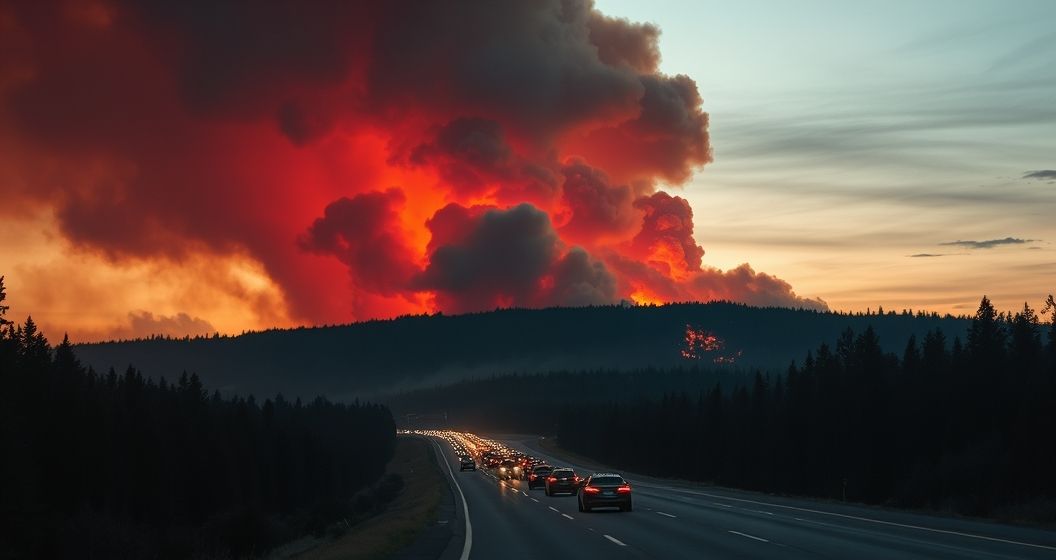
Thousands of residents across British Columbia are under evacuation orders as hundreds of wildfires burn out of control. The rapidly escalating situation has prompted provincial officials to declare a state of emergency, mobilizing resources to combat the fast-moving blazes and protect communities. Smoke from the fires has led to severe air quality warnings extending across multiple provinces, creating a widespread public health concern that affects millions of Canadians.
State of Emergency Grants Sweeping Powers
The declaration of a provincial state of emergency in British Columbia provides authorities with expanded powers to manage the crisis effectively. This includes the ability to implement travel restrictions to ensure clear access for emergency responders and prevent interference with critical firefighting operations. The move, triggered by the escalating threat to life and property, underscores the severity of the fires. These blazes are being fueled by prolonged drought conditions and erratic high winds, creating extremely volatile and dangerous environments for crews on the ground.
Thousands Displaced as Evacuation Orders Expand
Numerous communities, particularly in the Okanagan and Shuswap regions, are facing immediate threats from encroaching flames. Evacuation orders require residents to leave their homes immediately, while those under evacuation alerts are advised to be prepared to leave at a moment’s notice. The logistical challenge is immense, as officials work to ensure safe passage for evacuees while managing road closures. For many families, the sudden departure creates profound anxiety as they wait for news about their homes and neighborhoods.
The Strain on Communities and Responders
The emotional and physical toll on those affected is immense. Many have been forced to leave with little more than what they could carry, facing uncertainty about the fate of their homes and livelihoods. Meanwhile, firefighters and first responders are working around the clock in hazardous conditions. The relentless nature of the fires, combined with the difficult and often mountainous terrain, presents an enormous challenge for containment efforts. These dedicated crews are facing exhaustion as the crisis continues with no immediate end in sight.
Widespread Smoke Creates Hazardous Air Quality
Beyond the immediate fire zones, a thick blanket of smoke has settled over large parts of Western Canada and has begun drifting into neighboring provinces and the United States. Air quality health indexes have reached hazardous levels, prompting public health officials to advise residents to remain indoors and avoid strenuous activity. Health officials warn of risks such as irritated eyes, sore throats, and the aggravation of pre-existing respiratory conditions like asthma. The pervasive smoke serves as a stark reminder of the disaster’s far-reaching environmental and health impact.
With weather forecasts offering little immediate relief, the battle against the wildfires continues to be a top priority. Federal assistance has been deployed to bolster provincial efforts as officials focus on protecting lives and property. The situation remains critically fluid, with communities across the region on high alert. Officials are urging the public to remain vigilant and follow all official directives as they confront one of the most challenging wildfire seasons in recent memory.

