
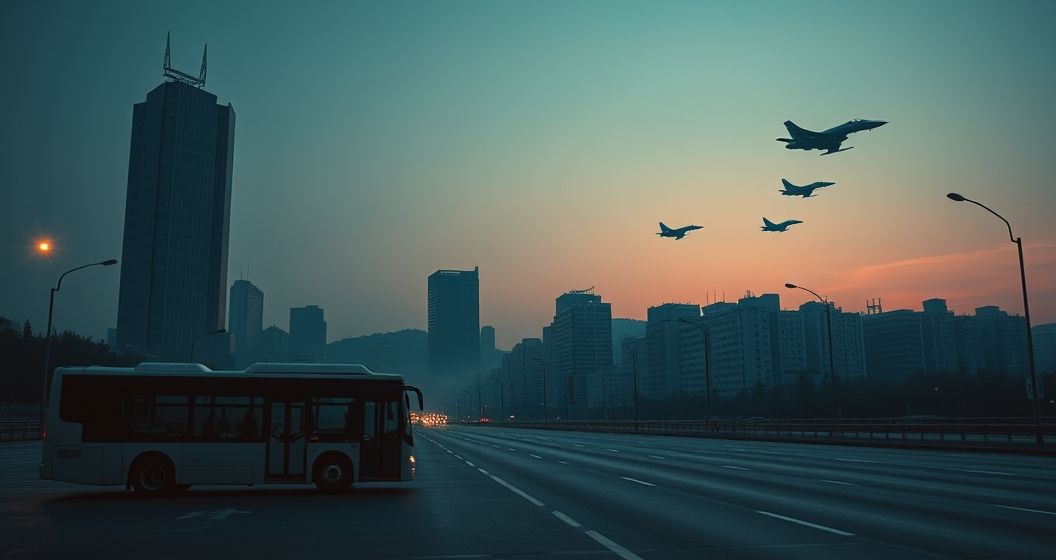
South Korea is currently navigating a period of significant domestic and international pressure, as the government contends with a prolonged doctors’ strike that is straining the healthcare system and escalating tensions with North Korea. These challenges are unfolding against a backdrop of persistent economic concerns, creating a complex situation for policymakers. The administration is taking firm stances on multiple fronts, aiming to restore stability while facing considerable public and political scrutiny.
The Escalating Medical Standoff
A major domestic crisis continues to revolve around the nation’s healthcare system. A standoff between the government and the medical community has intensified following the administration’s decision to increase medical school enrollment quotas. The government argues this move is essential to address a doctor shortage, particularly in rural areas and essential fields. However, thousands of junior doctors have walked off the job in protest, arguing the plan fails to address fundamental issues like poor working conditions and inadequate compensation.
The prolonged strike has severely impacted major hospitals, leading to the cancellation of surgeries and disruptions to emergency care. In response, the government has issued stern return-to-work orders and initiated procedures to suspend the medical licenses of striking doctors. Despite these measures, the standoff persists, with senior doctors and medical professors also showing support for the walkout, raising fears of a complete collapse in healthcare services if a resolution is not found soon.
Unconventional Threats from the North
On the security front, tensions with North Korea have flared up in a highly unusual manner. Pyongyang recently launched hundreds of large balloons carrying trash and waste across the border into South Korea. This provocative act, which North Korea claimed was retaliation for anti-Pyongyang leaflets sent by activists in the South, triggered public safety alerts and prompted a swift response from Seoul. The military was mobilized to safely collect the materials, which included everything from paper to plastic waste.
The South Korean government condemned the action as a base and dangerous provocation. In a significant retaliatory step, Seoul announced it would fully suspend the 2018 inter-Korean military agreement. This pact was designed to reduce military tensions along the border. Its suspension reopens the door for South Korea to resume propaganda loudspeaker broadcasts into the North and conduct military drills near the border, signaling a return to a more confrontational security posture.
Navigating Economic Headwinds
While managing these crises, the government also remains focused on the economy. Efforts to control inflation and stabilize consumer prices continue to be a top priority. Inflationary pressures, particularly on fresh food and energy, have impacted households across the country. The administration is implementing policies aimed at supporting small businesses and stimulating economic growth, but these efforts are complicated by the ongoing geopolitical instability and domestic disputes, which can affect consumer sentiment and market stability.

