
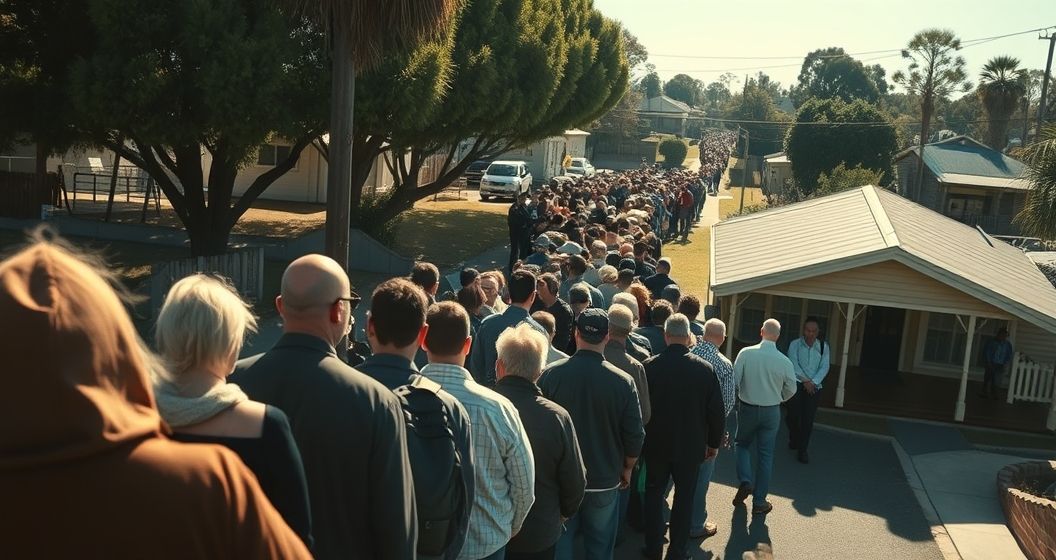
Australia is currently grappling with an unprecedented rental crisis, placing immense financial and emotional strain on households across the nation. Record-low vacancy rates and relentlessly soaring rents have created a perfect storm, leaving many struggling to find affordable and secure housing. This challenging environment is fueled by a combination of high demand, insufficient supply, and broader economic pressures, impacting individuals from all walks of life.
Record-Low Vacancy Rates Signal Intense Competition
The core of the issue lies in the critical shortage of available properties. Across major cities and regional areas, vacancy rates have plummeted to historic lows, often sitting below one per cent. This scarcity creates a highly competitive market where dozens of applicants vie for a single property. Landlords and agents are inundated with applications, giving renters little to no bargaining power and forcing them to make swift, often compromised, decisions to secure a home.
The Driving Forces Behind Soaring Rents
Several interconnected factors are exacerbating the rental affordability crisis. Understanding these drivers is key to grasping the scale of the problem and identifying potential pathways forward for the nation’s housing market.
Population Growth and Renewed Migration
A significant driver of demand is the resurgence of migration following the reopening of international borders. New arrivals, including students and skilled workers, are entering a market that is already undersupplied. This sharp increase in population adds further pressure to the limited pool of available rental homes, particularly in metropolitan areas where new migrants often seek to settle, pushing rental prices upward at a rapid pace and intensifying competition.
Chronic Housing Supply Shortages
For years, the construction of new housing has not kept pace with Australia’s growing population. Delays in construction, rising material costs, and labour shortages have hampered the delivery of new homes. This long-term supply deficit means there are simply not enough properties to meet the existing and growing demand, creating a fundamental imbalance that directly contributes to higher rental costs across the board for everyone in the market.
The Human Cost of the Housing Squeeze
Beyond the statistics, the rental crisis has a profound human impact. A growing number of Australians are experiencing ‘rental stress,’ defined as spending more than 30 per cent of their household income on rent. This leaves less money for essentials like food, healthcare, and transport. The intense competition also leads to housing insecurity, with families facing the constant threat of eviction or being priced out of their communities, affecting social cohesion and access to essential services.
Navigating a Path Forward
Addressing this complex crisis requires a multi-faceted approach from all levels of government and the private sector. Discussions are revolving around policies to fast-track housing supply, invest in social and affordable housing projects, and implement rental reforms to provide greater security for tenants. While there are no quick fixes, the urgency of the situation is prompting a national conversation about how to ensure all Australians have access to safe and affordable housing in the future.


