
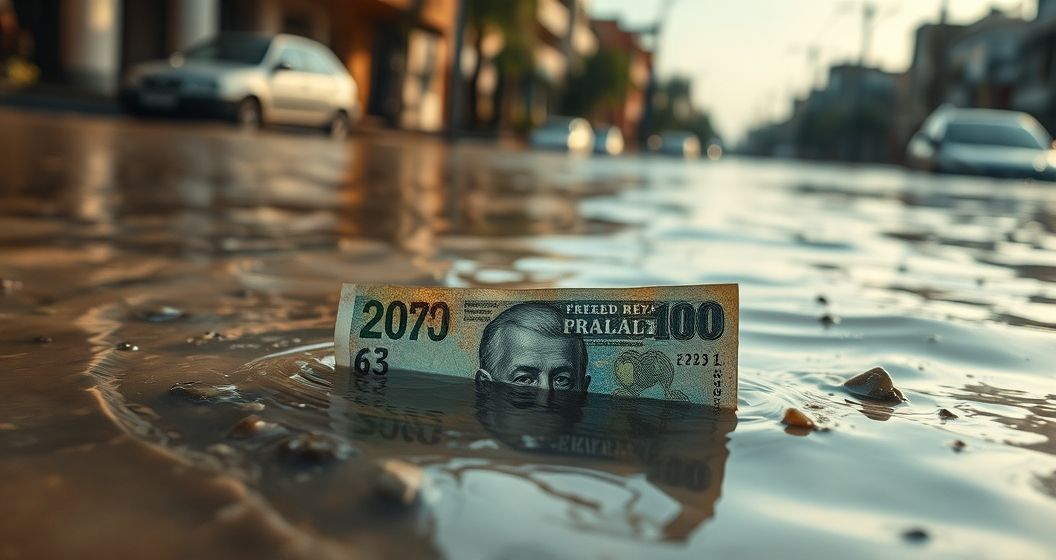
Brazil is currently navigating a complex period marked by significant economic challenges and a severe humanitarian crisis in its southern region. The government and financial institutions are intensely focused on curbing persistent inflation, while simultaneously managing the extensive recovery efforts in Rio Grande do Sul following catastrophic floods. These concurrent pressures are shaping the nation’s political and economic landscape, creating a delicate balancing act for policymakers.
Economic Headwinds: The Battle Against Inflation
The primary concern for Brazil’s economic authorities remains the control of inflation. The Central Bank is maintaining a cautious stance, signaling that the cycle of interest rate cuts may be nearing its end or proceeding at a slower pace than previously anticipated. This position is driven by consumer price indices that continue to show resilience, fueled by both domestic demand and global market uncertainties. Businesses and consumers are feeling the impact through higher costs for goods and services.
Market analysts are closely watching the Central Bank’s next moves regarding the Selic benchmark interest rate. The debate centers on finding a balance between cooling the economy to control prices and avoiding a slowdown that could hamper growth. The government’s fiscal policy is also under scrutiny, as public spending plays a crucial role in shaping inflation expectations and overall economic stability for the country.
A Region in Crisis: Rio Grande do Sul’s Long Recovery
In southern Brazil, the state of Rio Grande do Sul faces a monumental task of reconstruction after being devastated by historic floods. The disaster displaced hundreds of thousands of people, destroyed critical infrastructure, and severely impacted the state’s powerful agribusiness sector. The immediate focus has been on providing humanitarian aid, including shelter, food, and medical assistance to the affected populations while search and rescue operations conclude.
The long-term recovery process is expected to require substantial investment and coordinated efforts between federal, state, and municipal governments. Rebuilding homes, roads, bridges, and public services is a priority, but the economic fallout presents a significant challenge. The disruption to agricultural production and local industries will have lasting effects on both the regional and national economy, raising concerns about supply chains and future output.
Government Response and Fiscal Concerns
In response to the crisis, the federal government has announced several aid packages and financial support measures for Rio Grande do Sul. These funds are designated for direct assistance to families, credit lines for businesses, and financing for infrastructure projects. However, this emergency spending is placing additional pressure on the national budget. The fiscal implications are now a central part of political discussions, with debates over how to fund the recovery without compromising the country’s fiscal targets.
Navigating the Path Forward
Brazil stands at a critical juncture, managing immediate crises while planning for long-term stability. The decisions made in the coming weeks regarding monetary policy and the allocation of resources for the flood recovery will be crucial. The nation’s ability to address these economic and humanitarian challenges effectively will determine its trajectory and resilience in the face of future uncertainties.

