
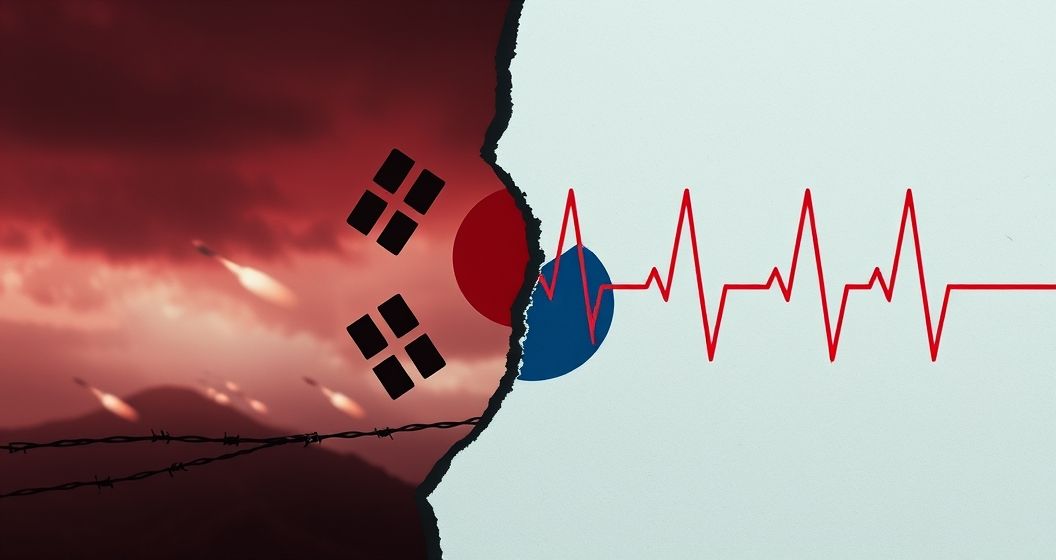
South Korea is currently navigating a period of significant domestic and international pressure, marked by an escalating standoff with the nation’s doctors and renewed provocations from North Korea. The government is taking a firm stance on both fronts, attempting to enforce medical reforms while simultaneously strengthening its defensive posture in response to actions from its northern neighbor. These dual challenges are testing the nation’s leadership and straining its social and security frameworks.
Medical Strike Intensifies Amid Government Ultimatum
A major conflict between the government and the medical community continues to deepen over a plan to increase medical school admissions. The government argues the reform is essential to address a doctor shortage, particularly in rural areas and essential fields. However, thousands of trainee doctors have walked off the job in protest, arguing the plan will not solve underlying issues and could compromise the quality of medical education and services. This has led to significant disruptions in hospitals across the country.
In response to the prolonged walkout, authorities have issued a stark ultimatum, warning striking doctors that their medical licenses could be suspended if they do not return to work. The government has initiated legal steps to enforce these suspensions, signaling it will not back down from its reform agenda. This hardline approach has created a tense impasse, with patient care caught in the middle as major surgeries and appointments face continued delays and cancellations.
Heightened Tensions on the Korean Peninsula
Simultaneously, tensions on the Korean Peninsula have sharply escalated following a series of provocative actions by North Korea. Pyongyang recently sent hundreds of balloons carrying trash and manure across the border into South Korea, describing it as a retaliatory measure against South Korean activists who send anti-regime leaflets northward. This unusual tactic has caused public alarm and minor property damage in the South.
In a decisive response, South Korea fully suspended the 2018 inter-Korean military agreement, a pact designed to reduce military tensions along the border. The suspension allows Seoul to resume military drills near the demarcation line and restart propaganda broadcasts from loudspeakers, which have historically drawn a furious reaction from Pyongyang. This move effectively dismantles a key symbol of past diplomacy and signals a return to a more confrontational security posture.
Economic and Diplomatic Maneuvers
Amidst these challenges, the government is also focused on maintaining economic stability and reinforcing its international alliances. Officials are closely monitoring inflation and market conditions to mitigate any economic fallout from domestic uncertainty. Diplomatically, South Korea continues to strengthen its security cooperation with the United States and Japan, conducting joint military exercises and coordinating strategies to deter North Korean aggression and ensure regional stability.
The coming weeks will be critical for South Korea as it attempts to resolve the medical strike and manage the unpredictable security situation. The government’s ability to navigate these complex issues will have lasting implications for its healthcare system, national security, and position on the global stage.


