
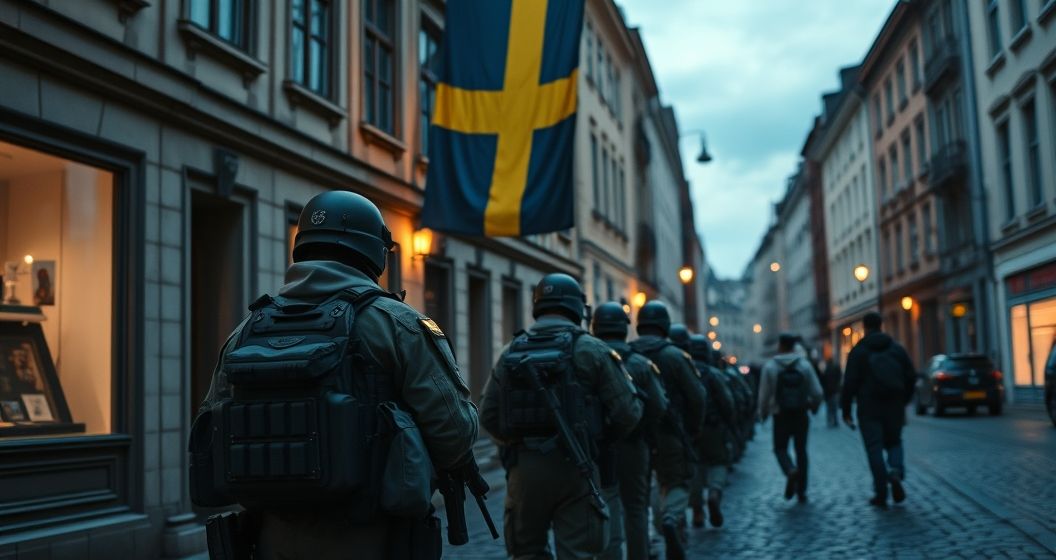
Sweden is currently navigating a complex security landscape, simultaneously reinforcing its national defence following its historic entry into NATO and confronting a severe wave of organised crime at home. The government is implementing major policy shifts on both fronts, balancing external military commitments with the urgent need to restore domestic order and public safety. This dual focus defines the nation’s current political and social agenda, presenting significant challenges for policymakers and law enforcement agencies.
Strengthening National Defence and NATO Integration
Following its formal accession to the North Atlantic Treaty Organization (NATO), Sweden has accelerated the integration of its armed forces into the alliance’s command structure. This involves increased participation in joint military exercises aimed at enhancing interoperability with other member states. The government has also committed to raising defence spending to meet and exceed the NATO guideline of 2% of GDP, signalling a long-term investment in modernising its military capabilities and contributing to collective security in the Baltic Sea region.
The strategic importance of Sweden’s membership cannot be overstated. Its location provides NATO with significant depth and control over the Baltic Sea, a critical maritime route. The Swedish military, known for its advanced naval and air assets, is now a key component of the alliance’s regional defence posture. This integration is seen as a fundamental shift in European security architecture, creating a more unified and resilient northern flank against potential external threats.
The Escalating Challenge of Organised Crime
While bolstering its external defences, Sweden is fighting an intense battle against organised crime internally. Gang-related violence, including shootings and bombings, has escalated in recent years, particularly in major urban areas. This has created a widespread sense of insecurity and placed immense pressure on the government to take decisive action. The criminal networks, often involved in drug trafficking and internal feuds, have become more ruthless and increasingly recruit younger members.
Government’s Response to Internal Threats
In response, the Swedish government has introduced a raft of tough new measures. These include granting police expanded powers, such as the ability to establish temporary search zones in high-crime areas without concrete suspicion. Legislation has also been tightened to impose harsher penalties for gang-related offences and to make it easier to deport foreign nationals convicted of serious crimes. These policies represent a significant departure from Sweden’s traditionally more lenient approach to criminal justice.
Beyond punitive measures, authorities are also focusing on prevention. Efforts are being made to disrupt the financial foundations of the criminal gangs and to prevent the recruitment of at-risk youth. This includes targeted social programmes in vulnerable neighbourhoods, increased cooperation between schools, social services, and the police, and initiatives aimed at providing positive alternatives for young people.
A Two-Front Challenge for Policymakers
Managing these two security fronts simultaneously requires a careful allocation of resources and political capital. The national debate is often focused on finding the right balance between investing in the armed forces for national defence and funding the police and social services to ensure domestic tranquillity. This period represents a defining moment for Sweden, as it adapts to its new role as a NATO member while undertaking a profound effort to reclaim control of its streets and ensure the safety of its citizens.