
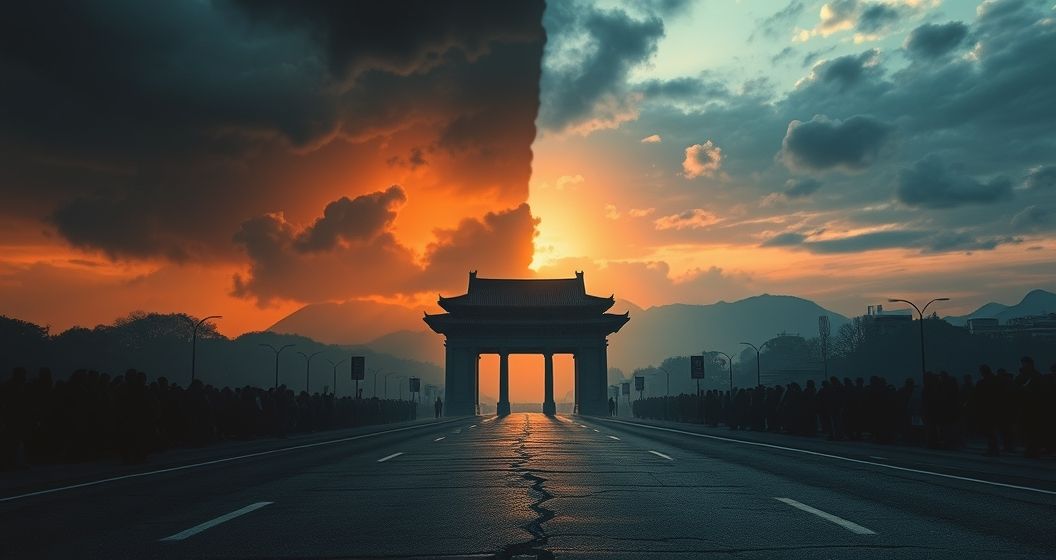
South Korea is currently navigating a period of heightened geopolitical tension and significant domestic challenges. Recent provocations from North Korea have prompted a firm response from Seoul, leading to the suspension of a key military agreement. Internally, a prolonged strike by trainee doctors continues to place immense pressure on the nation’s healthcare system, with no immediate resolution in sight. These developments unfold as the country continues to push its economic and cultural influence on the global stage.
Heightened Tensions on the Korean Peninsula
The security situation on the Korean Peninsula has become increasingly fragile. In response to North Korea sending hundreds of balloons carrying trash and manure across the border, Seoul has taken decisive action. The government announced the full suspension of the 2018 inter-Korean military pact, a landmark agreement designed to reduce military tensions. This move will allow South Korea to resume military activities and propaganda broadcasts along the border demarcation line.
Officials stated that the decision was necessary to counter the North’s continued provocations and protect national security. The suspension of the pact signals a significant shift in South Korea’s policy toward its northern neighbor, moving from de-escalation back to a posture of deterrence. The international community is closely watching these developments, concerned about the potential for further escalation in the region.
Domestic Healthcare System Under Strain
On the domestic front, the standoff between the government and the medical community continues to escalate. Thousands of trainee doctors have been on strike for several months to protest a government plan to increase medical school admissions quotas. The government argues the increase is essential to address a doctor shortage, especially in rural areas and essential fields. However, doctors’ groups claim it will undermine the quality of medical education and services.
The prolonged walkout has severely disrupted major hospitals, leading to canceled surgeries and delayed treatments for patients. The government has stood firm, issuing back-to-work orders and warning of license suspensions for those who refuse to comply. With negotiations at an impasse, the ongoing dispute is causing a major strain on the nation’s world-class healthcare infrastructure and creating significant public anxiety.
Economic and Cultural Diplomacy Continues
Amid these security and domestic challenges, South Korea remains focused on strengthening its global economic and cultural ties. The nation hosted a landmark summit with leaders from various African nations, aiming to bolster cooperation in minerals, energy, and technology. This initiative is part of a broader strategy to diversify its economic partnerships and secure critical supply chains for its advanced industries, particularly semiconductors and batteries.
In conclusion, South Korea is managing a complex landscape of security threats, internal policy disputes, and forward-looking economic planning. The government’s handling of North Korean actions and the doctors’ strike will remain critical areas of focus. At the same time, its efforts to build new international partnerships underscore a commitment to maintaining its role as a key player on the world stage, even while addressing significant challenges at home.

