
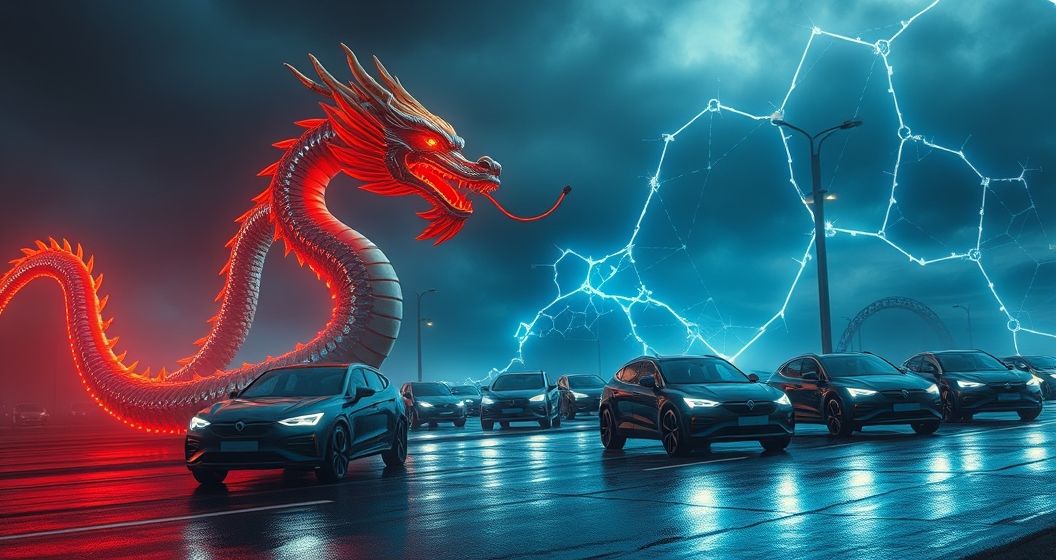
Trade tensions between China and the European Union are intensifying following the EU’s decision to impose provisional tariffs on Chinese-made electric vehicles (EVs). Beijing has strongly condemned the move, labeling it as blatant protectionism and warning that it could trigger a wider economic conflict. The situation remains fluid as both sides engage in high-stakes negotiations to avert a full-blown trade war.
The Core of the Disagreement
The European Commission alleges that Chinese EV manufacturers benefit from unfair state subsidies, allowing them to sell vehicles at artificially low prices in the European market. Officials in Brussels argue that these practices undermine fair competition and threaten the viability of European carmakers. The proposed tariffs, which could reach up to 38% on certain models, are intended to level the playing field and protect the region’s automotive industry from what it perceives as a state-supported surge in imports.
In response, Chinese authorities have vehemently denied the accusations, stating that the competitiveness of their EV industry stems from innovation, efficient supply chains, and open market competition, not subsidies. Beijing views the tariffs as a violation of international trade rules and a politically motivated action designed to stifle China’s technological and economic growth. The Ministry of Commerce has urged the EU to reverse its decision immediately.
China’s Retaliatory Measures
Signaling its readiness to respond, China has already initiated its own anti-dumping investigation into pork imports from the European Union. This move is widely seen as a direct retaliation, targeting a significant EU agricultural export. The investigation could lead to tariffs on European pork products, impacting farmers in countries like Spain, Germany, and Denmark. This targeted response demonstrates Beijing’s strategy of applying pressure on key sectors within the EU economy.
Furthermore, Chinese officials have hinted that other sectors could also face countermeasures if the EU proceeds with the EV tariffs. Industries such as aviation and agriculture are considered potential targets. This escalatory rhetoric is designed to persuade EU member states, particularly those with strong economic ties to China, to push for a diplomatic resolution and oppose the tariffs becoming permanent.
A Divided European Stance
The EU’s position is complicated by internal divisions. Germany, home to major automakers like Volkswagen, BMW, and Mercedes-Benz, has expressed significant concern over the tariffs. These companies have substantial investments and sales in the Chinese market and fear that retaliatory measures from Beijing could severely harm their business operations. German Chancellor Olaf Scholz has publicly advocated for dialogue and de-escalation, highlighting the risks of a trade war.
This internal friction underscores the complex economic interdependence between Europe and China. While some member states support the Commission’s protective measures, others prioritize maintaining stable trade relations. This division could influence the final outcome of the negotiations, as China seeks to leverage these differences to its advantage.
The Path Forward: Dialogue or Dispute?
Both sides have publicly stated their preference for a negotiated solution. High-level talks are underway to find common ground before the provisional tariffs are scheduled to become definitive. The outcome will depend on whether a compromise can be reached that addresses the EU’s concerns about subsidies while allowing Chinese companies fair access to the European market. The global automotive industry is watching closely, as the resolution of this dispute will have far-reaching implications for international trade and the transition to electric mobility.

